Scapula Fractures
Scapula = Shoulder Blade
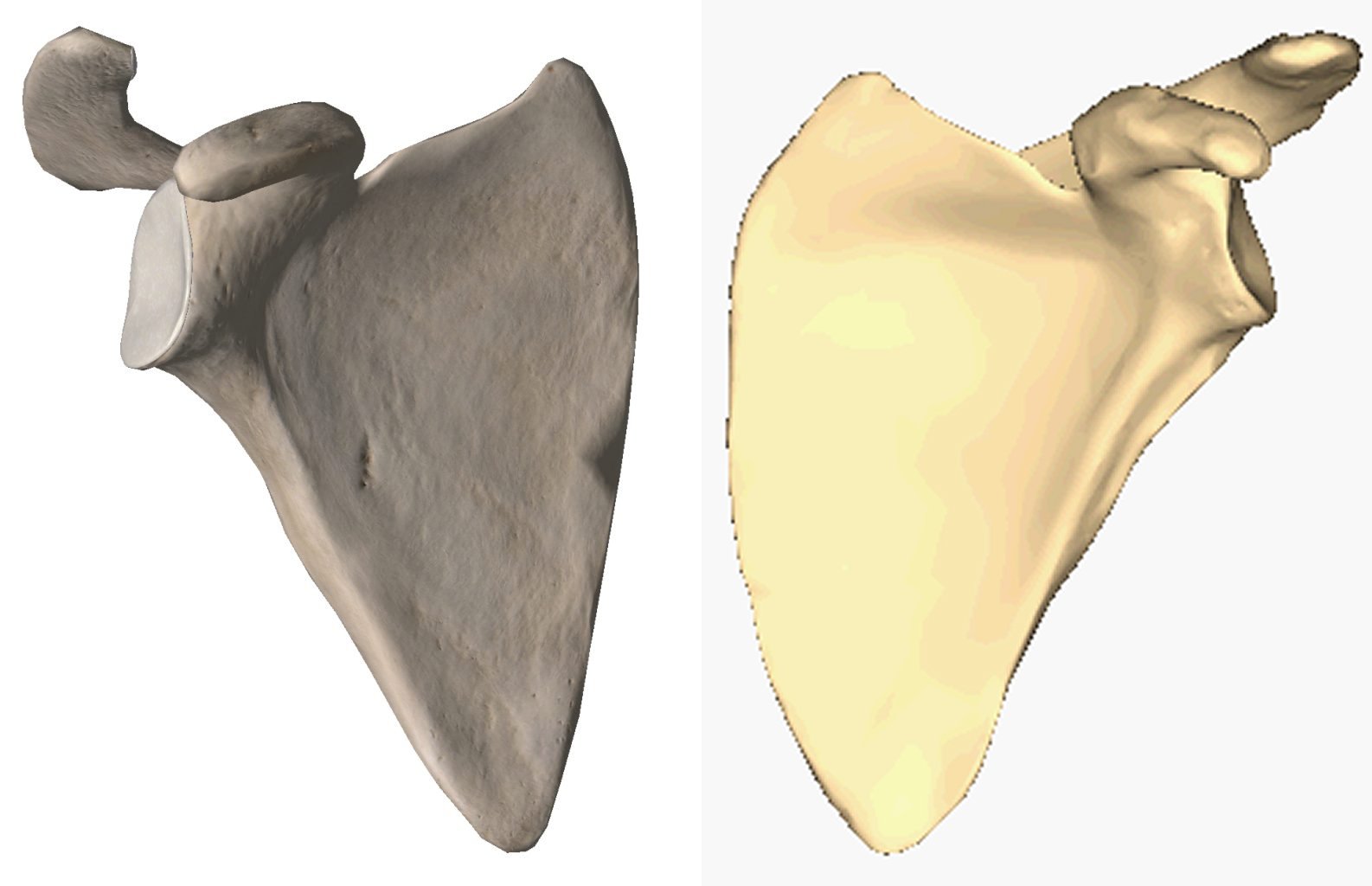
Symptoms of Scapula Fracture
- Severe pain in the shoulder/upper back area
- Swelling and bruising
- Impaired mobility/inability to lift the arm
- Numbness, tingling or coldness in the hand and forearm
- Popping sound or grinding sensation during movement
- Difficulty leaning back on chairs / bed
Causes
Scapula fractures require a large amount of force and are usually caused by high-energy trauma such as:
- Motor vehicle accidents
- Falls from height onto the back
- Contact sports like football
Diagnosis
- Physical examination
- X-rays
- CT scan
- MRI scan
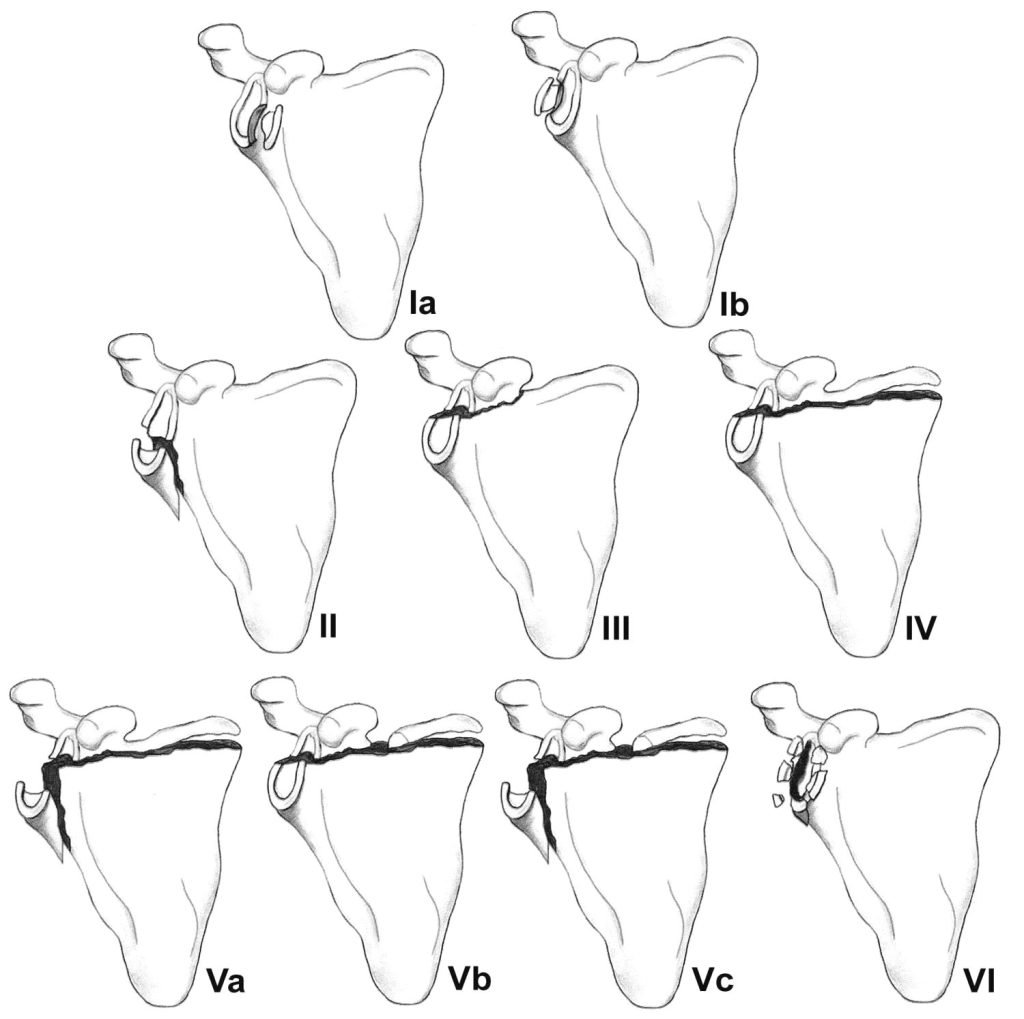
Types of Scapula Fractures
Treatment
Most scapula fractures are treated non-operatively with:
- Immobilization using a sling for 2-8 weeks
- Pain medication
- Cryotherapy
- Early physical therapy for range of motion exercises
Surgery
Surgery may be needed for displaced fractures, fractures involving the neck/glenoid, or severe angulation, to realign the bones and restore shoulder function. This is most commonly achieved with open surgery using plates and screws.
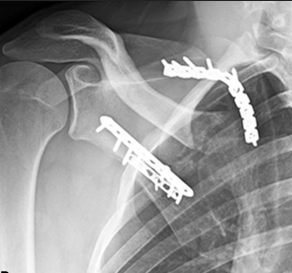
Rehabilitation After Surgery
Graduated range of motion and strengthening exercises are crucial to regain full shoulder mobility and function after surgical repair of a scapula fracture.
FAQ’s
How long does it take a scapula fracture to heal?
Most take 3-6 months for full healing and recovery of function.
Can a scapula fracture cause nerve damage?
Yes, nerve injuries can occur and cause numbness/weakness in the arm.
Is surgery always needed for a scapula fracture?
No, most can be treated non-operatively unless significantly displaced or involving the neck/glenoid area.
