Expert Diagnosis and Care for All Elbow Conditions
Comprehensive Elbow Pain Treatment In Southern Illinois
Living with elbow pain can be incredibly limiting, affecting everything from your ability to lift a grocery bag to simply straightening your arm. Whether your pain is caused by a sports injury like tennis elbow, a work-related strain, or the stiffness of arthritis, finding the root cause is the first step toward relief. The elbow is a complex hinge joint, and effective treatment requires a deep understanding of its intricate anatomy and biomechanics.
Dr. Srinath Kamineni is a world-renowned elbow specialist in Southern Illinois, dedicated to helping patients overcome a wide range of elbow conditions. As a surgeon who is double fellowship-trained and board-certified in both the USA and England, Dr. Kamineni brings an elite level of expertise to the diagnosis and management of elbow disorders. His background includes prestigious training at the Mayo Clinic and a commitment to using the most advanced, evidence-based treatments available. Whether you need non-surgical management or complex reconstruction, our practice is focused on restoring your function and improving your quality of life.
If you are struggling with elbow pain, don't wait for it to worsen. Contact our office today to schedule a comprehensive evaluation and take the first step toward recovery.
Appointments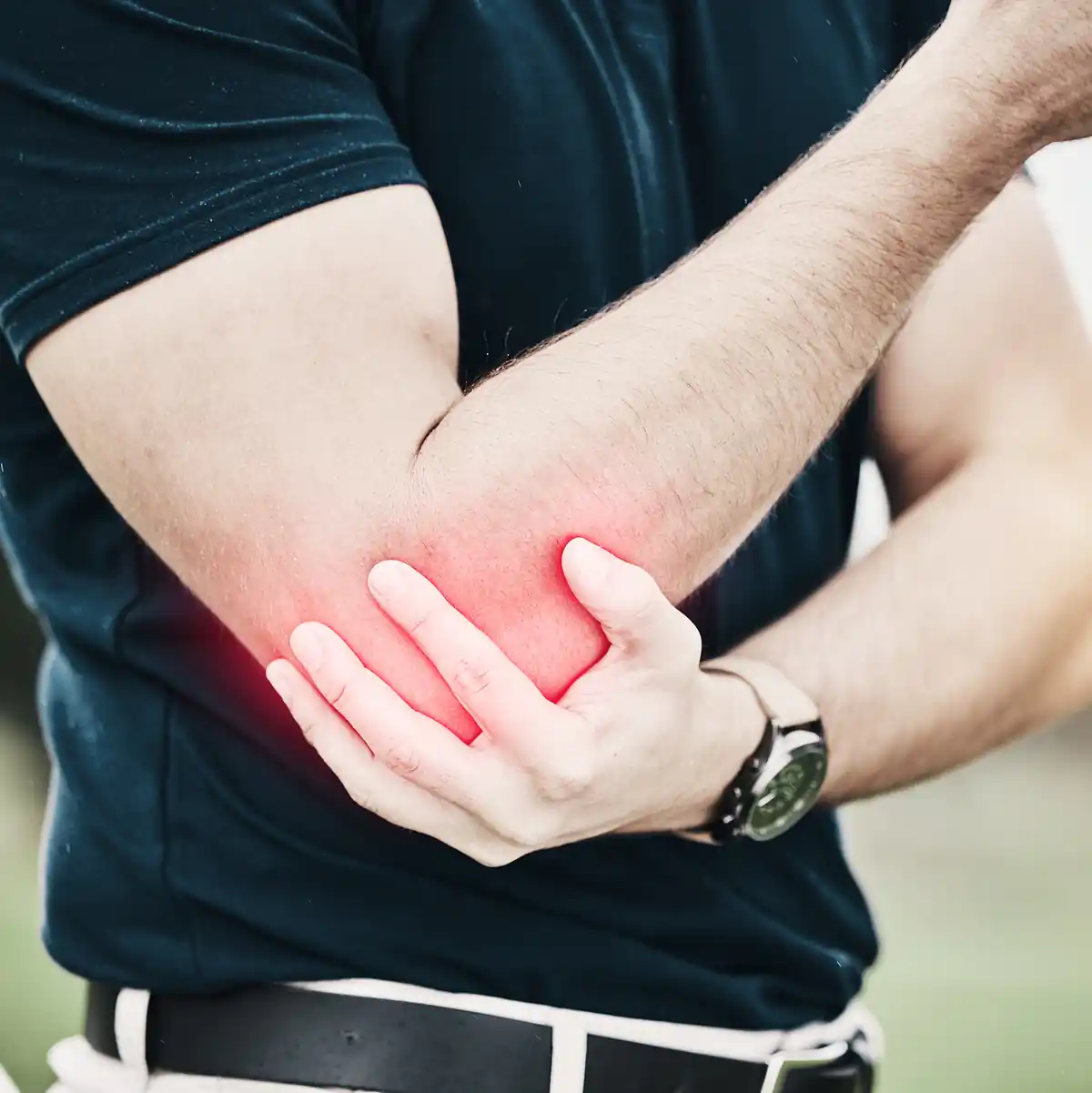
Elbow Arthritis

Arthritis (osteoarthritis, rheumatoid arthritis, post-traumatic arthritis, etc) of the elbow is uncommon, which is why it is often misunderstood and overlooked. When left unmanaged, it can dramatically affect your daily life as it progresses. Like all joint problems, arthritis of the elbow does better with prompt diagnosis and correct treatment.
AppointmentsLearn MoreElbow Hemophiliac Arthritis
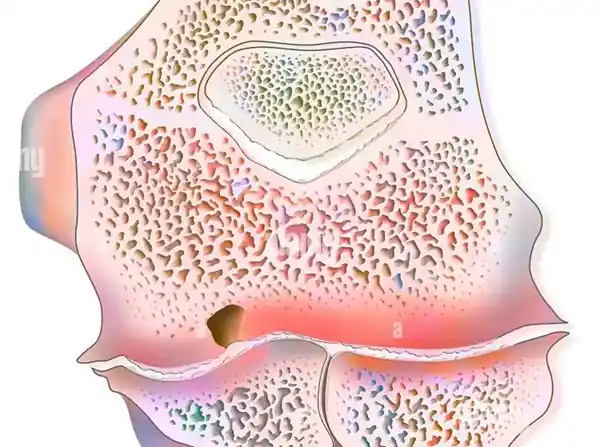
People living with hemophilia can develop elbow arthritis after repeated bleeding episodes into the joint. Over time, this bleeding can damage cartilage and inflame the joint lining, leading to chronic pain, swelling, stiffness, and reduced range of motion. Symptoms may flare after activity and can make it difficult to straighten the arm, lift objects, or use the hand comfortably for daily tasks.
Care typically focuses on controlling inflammation, preserving motion, and protecting the joint. Dr. Kamineni may recommend targeted therapy, bracing, activity modifications, and imaging to evaluate cartilage damage and loose bodies. When symptoms are severe or function is significantly limited, surgical options may be considered to remove inflamed tissue, address mechanical blockages, or restore smoother joint motion.
AppointmentsLearn MoreElbow Instability

Elbow instability occurs when the elbow no longer feels secure during use and may feel like it is slipping, catching, or giving way. This can happen after a dislocation, ligament injury, fracture, or repeated strain from sports that place high stress on the joint. Patients may notice pain on the inside or outside of the elbow, weakness when pushing up from a chair, and discomfort with twisting or weight-bearing through the arm.
Diagnosis often includes a careful exam to test ligament stability along with X-rays and, when needed, advanced imaging to evaluate ligament and cartilage injury. Treatment may include bracing, rehabilitation to strengthen stabilizing muscles, and technique adjustments for athletes. In persistent cases, ligament repair or reconstruction can restore stability and help patients return to activity more safely.
AppointmentsLearn MoreElbow Stiffness
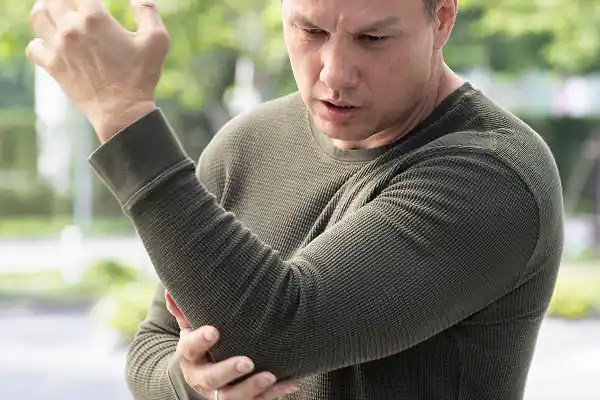
The elbow is a joint that is easily complicated by stiffness after injury or disease. This is because the elbow actually comprises three separate joints that fit extremely well together, and is in close proximity to a host of soft tissue structures.
AppointmentsLearn MoreLoose Bodies – Elbow
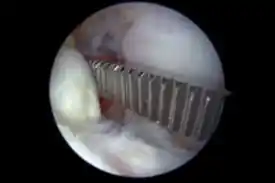
Loose bodies in the elbow are free floating structures that can occasionally cause symptoms in the elbow. Typically, these loose bodies are small fragments of bone or cartilage that have broken off. These pieces can cause pain, locking, stiffness, and catching of the elbow.
AppointmentsLearn MoreElbow Osteoarthritis
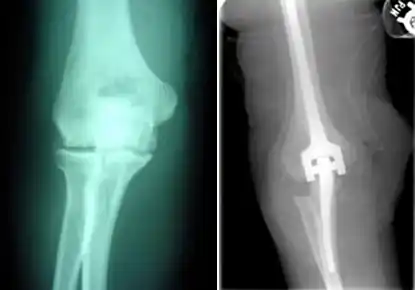
Osteoarthritis of the elbow occurs when the cartilage surface of the elbow is worn out or is damaged. This can happen because of a previous injury such as elbow dislocation or fracture. Most commonly, however, it is the result of a normal wearing away of the joint cartilage from age and activity.Osteoarthritis usually affects the weight-bearing joints, such as the hip and knee. The elbow is one of the least affected joints because of its well matched joint surfaces and strong stabilizing ligaments. As a result, the elbow joint can tolerate large forces across it without becoming unstable.
AppointmentsLearn MoreElbow Post-Traumtic Arthritis

Post-traumatic arthritis develops after an injury such as a fracture, dislocation, or ligament damage. Even when the initial injury heals, the joint surface may no longer be perfectly smooth, and the cartilage can gradually break down over time. This can lead to pain, swelling, stiffness, grinding sensations, and reduced motion—often years after the original injury.
Treatment depends on symptoms and the degree of joint damage. Many patients improve with anti-inflammatory strategies, activity modifications, targeted therapy, and injections. If bone spurs, loose bodies, or scar tissue are blocking motion, arthroscopic or open procedures can help restore movement. In advanced cases, reconstructive options may be considered to reduce pain and improve function.
AppointmentsLearn MoreMedial Collateral Ligament Injury
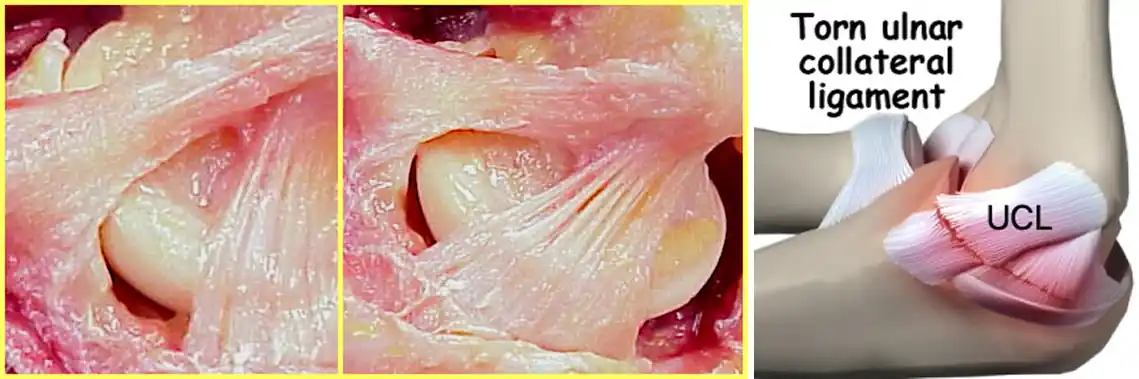
Ligaments are strong bands of tissue that hold bones together. In the elbow joint, the medial (ulnar) collateral ligament, MCL or UCL, holds the ulna (lower arm bone) to the humerus (upper arm bone). When the ulnar collateral ligament gets torn due to injury, the elbow can become unstable.
AppointmentsLearn MoreRheumatoid Arthritis
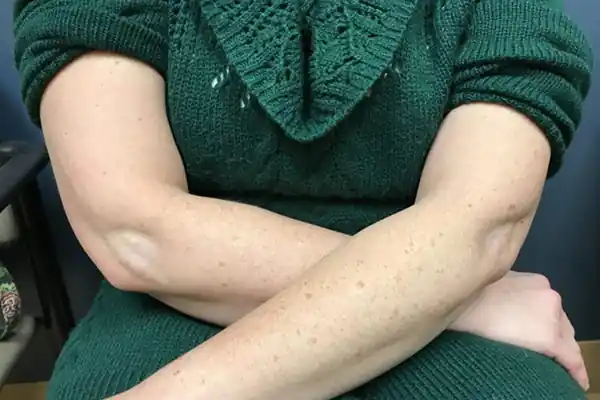
Elbow rheumatoid arthritis is a challenging form of arthritis, as the affected elbows can significantly limit a person’s range of motion and ability to perform daily functions. While it can affect people of all ages, it is commoner in women and between the ages of 40 and 60.
AppointmentsLearn MoreTennis Elbow
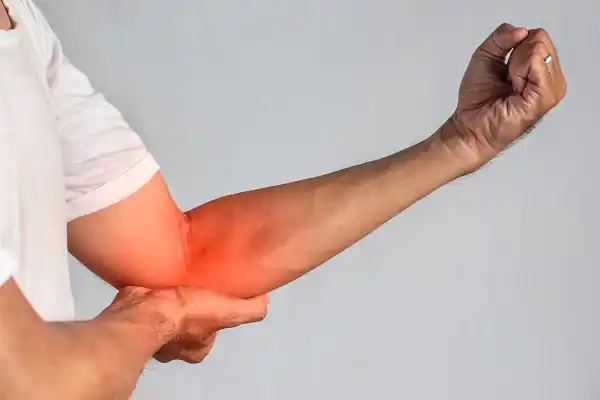
Tennis elbow is a common condition in adults in their 40s and 50s. Known formally as lateral epicondylitis of the elbow, it is more commonly known as tennis elbow. While most commonly associated with tennis (10-50 per cent of regular tennis players experience it during their playing careers), hence its name, it can occur in any sport or work that requires forceful and/or repetitive forearm usage.
AppointmentsLearn MoreGolfer's Elbow

Golfer’s elbow, or medial epicondylitis, causes pain and tenderness on the inner side of the elbow where the forearm flexor tendons attach. It often develops from repetitive gripping, lifting, swinging, or forceful wrist motion—and it can affect golfers, weightlifters, pitchers, tradespeople, and anyone who uses their hands for repetitive work.
Symptoms may include aching pain on the inside of the elbow, weakness with gripping or turning doorknobs, and discomfort that worsens with activity. Treatment commonly includes rest from aggravating movements, therapy focused on tendon strengthening and flexibility, bracing, and anti-inflammatory strategies. If symptoms persist, further evaluation and advanced treatment options may be recommended.
AppointmentsLearn MorePartial Distal Biceps Tear
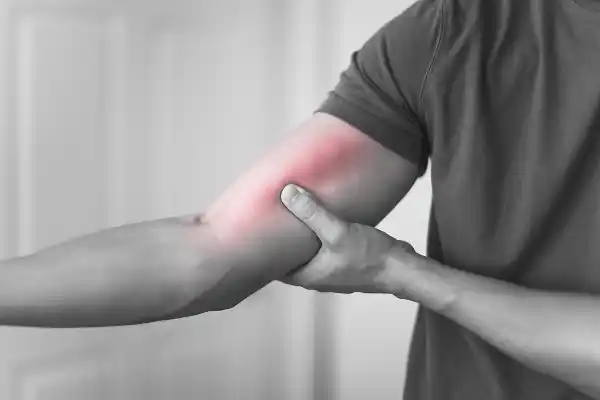
A partial distal biceps tear occurs near the elbow where the biceps tendon attaches to the radius. It can happen with a sudden overload (lifting something heavy) or after repeated strain. Unlike a complete rupture, some tendon fibers remain intact, but patients may still experience pain in the front of the elbow, weakness when bending the elbow, and difficulty with forearm rotation (turning a key or using a screwdriver).
Many partial tears can improve with activity modification and guided rehabilitation, especially when diagnosed early. Imaging can help confirm the extent of injury. When pain and weakness persist or the tear is significant, surgical repair may be considered to restore strength and reduce long-term dysfunction.
AppointmentsLearn MoreDistal Triceps Rupture

The triceps is the large muscle at the back of the upper arm. The triceps consists of three separate muscles that form a single combined tendon which attaches to the back of the elbow. Tears may be partial or complete. A complete / full tear (rupture) typically occur when a sudden large load is applied to the triceps (eg. falls, weightlifting). Some complete ruptures are associated with pre-existing conditions (tendonitis), injuries (partial tears) or drug treatment (oral steroid use, local steroid injections). The triceps normally straightens the arm; when a triceps tendon tear occurs, there is weakness with elbow extension. Men who participate in sports, and who are ages 30-50 are particularly at risk.
AppointmentsLearn MoreDistal Biceps Rupture

The biceps is a muscle that bends the elbow up. The distal end is by the elbow. Tearing usually occurs with heavy lifting. Tears of the biceps can be either partial or complete.
AppointmentsLearn MoreBrachialis Tear
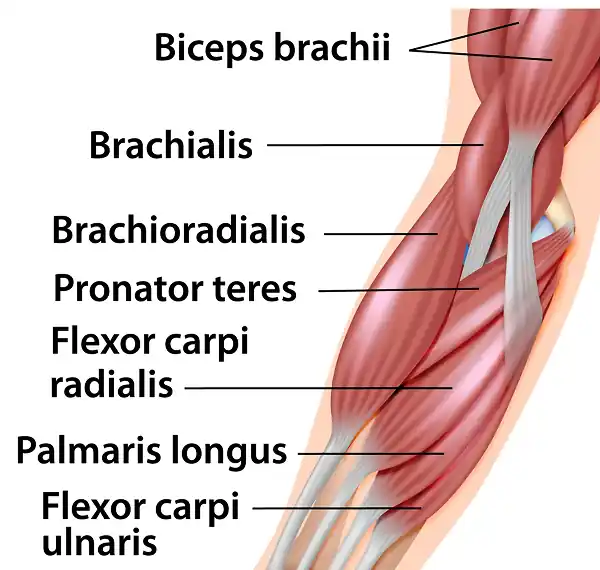
The brachialis is a key muscle that helps bend the elbow and supports lifting and pulling motions. A brachialis tear can occur after sudden loading, a fall, or forceful eccentric movements (when the elbow is forced to straighten while the muscle is contracting). Patients may feel sharp pain in the front of the elbow, swelling, bruising, and pain with bending or lifting.
Most tears are treated with rest, gradual rehabilitation, and a structured return to strength and function. Imaging may be used to distinguish a brachialis injury from biceps or tendon problems. When pain persists or the injury is more severe, advanced treatment options may be recommended to restore function and reduce long-term weakness.
AppointmentsLearn MorePosteromedial Rotatory Instability
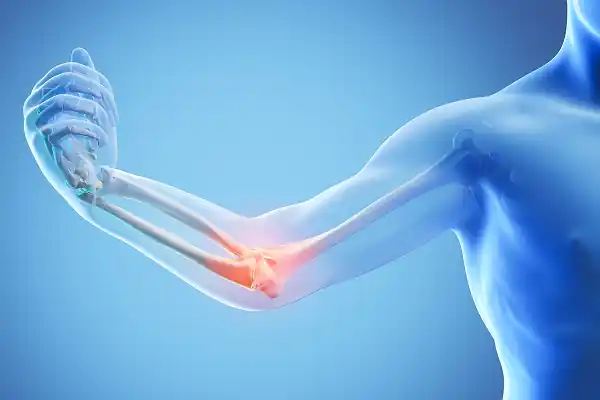
Posteromedial rotatory instability is an elbow condition most often seen in overhead athletes, particularly pitchers, where repeated valgus stress and extension overload irritate the inner-back portion of the joint. Over time, this stress can lead to pain on the inside/back of the elbow, loss of motion, and mechanical symptoms like catching—especially when the elbow is forcefully straightened.
Evaluation focuses on identifying ligament laxity, bony impingement, and cartilage wear. Treatment may include rest, throwing or activity modifications, therapy to improve mechanics and strength, and management of inflammation. If symptoms persist or there is significant structural damage, surgical options may be considered to address impingement and stabilize the elbow.
AppointmentsLearn MorePosterolateral Rotatory Instability

Posterolateral rotatory instability (PLRI) is one of the most common patterns of chronic elbow instability. It typically occurs after injury to the lateral (outside) ligament complex of the elbow, sometimes following a dislocation or repeated strain. Patients often describe a sense that the elbow is unstable, painful clicking or clunking, and difficulty with activities like pushing up from a chair, doing push-ups, or bearing weight through the hand.
Because symptoms can come and go, PLRI is sometimes overlooked until it begins to interfere with daily life or sport. Diagnosis involves a detailed physical exam and may include imaging to evaluate ligament damage. Treatment ranges from bracing and rehabilitation to ligament reconstruction in more symptomatic or persistent cases.
AppointmentsLearn MoreCapitellar OCD
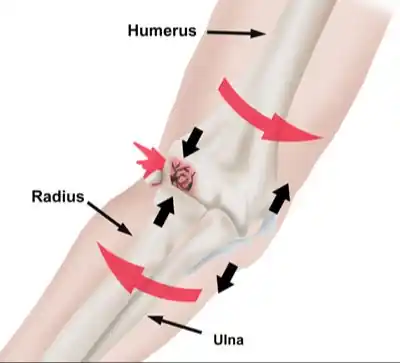
Osteochondritis dissecans, or OCD, is a condition that affects the cartilage and the underlying bone within a joint. In the elbow, this condition most commonly occurs in the capitellum, which is part of the humerus (upper arm bone) on the outer side of the joint. Capitellar OCD is essentially an injury to this area, often linked to repetitive stress and overuse. It is frequently seen in young athletes who participate in sports that place significant load on the elbow, such as baseball and gymnastics. Understanding the causes, symptoms, and diagnostic process is the first step toward managing this condition effectively.
AppointmentsLearn MoreTrochlear OCD
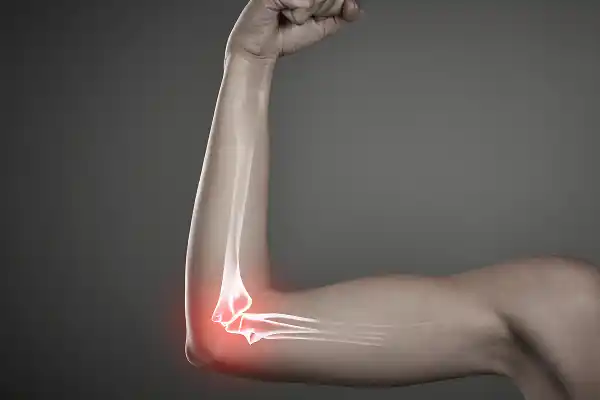
Osteochondritis dissecans, commonly known as OCD, is a joint condition affecting both cartilage and the bone just beneath it. While it often occurs in the knee and ankle, it can also develop in the elbow. Trochlear OCD specifically refers to a lesion on the trochlea, which is a groove-shaped part of the humerus (upper arm bone) that forms a key part of the elbow's hinge. This condition is a type of osteochondral injury, meaning it involves both bone ("osteo") and cartilage ("chondral"). It frequently develops due to repetitive stress, making it a concern for certain athletes. A clear understanding of this condition is essential for athletes, parents, and coaches to recognize symptoms and seek appropriate evaluation.
AppointmentsLearn MoreRadiocapitellar Plica
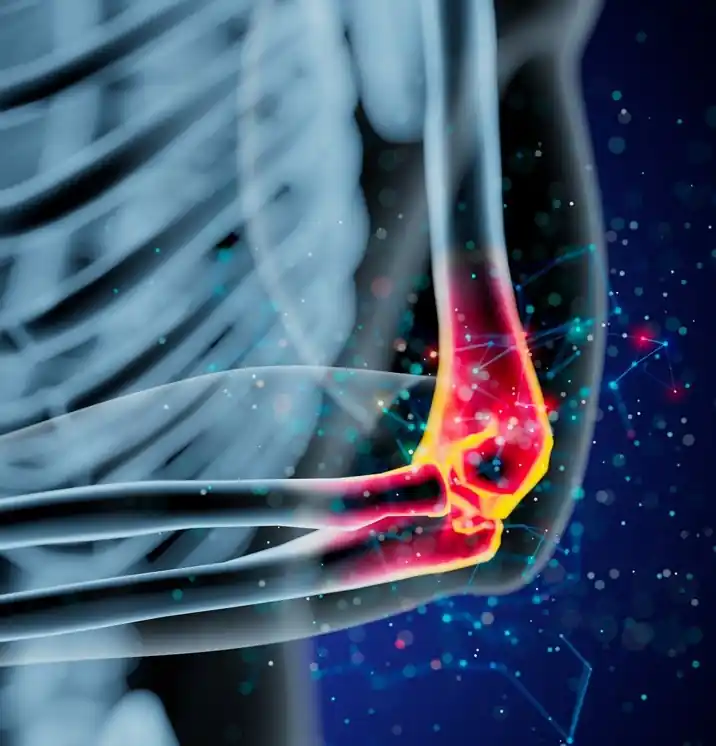
Radiocapitellar plica syndrome is a condition of the elbow that can cause pain and mechanical symptoms like snapping or popping. It involves a "plica," which is a normal fold of the synovial tissue that lines the inside of the elbow joint. While these folds are present in many people and cause no issues, a plica can become a source of pain if it gets thickened, inflamed, or pinched between the bones of the joint during movement. This condition specifically affects the radiocapitellar joint, which is on the outer (lateral) side of the elbow. Understanding this diagnosis is important because its symptoms can mimic other common elbow problems.
AppointmentsLearn MoreRadial Head Instability
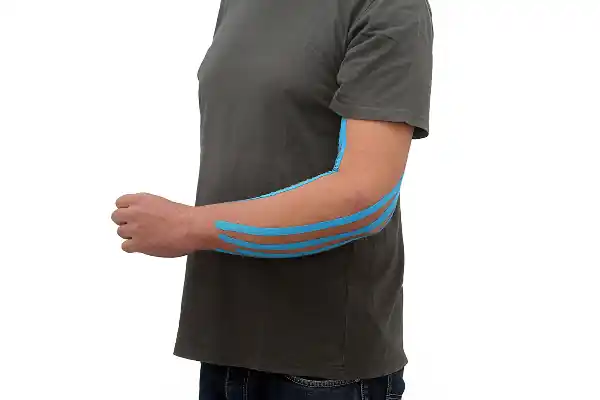
Radial head instability is a condition where the radial head—the top part of the radius bone in the forearm—does not stay properly aligned within the elbow joint. This can range from a partial dislocation (subluxation) to a full dislocation, where the joint surfaces completely separate. Instability often results from a traumatic injury, such as a fall or a direct blow during sports. Because the stability of the elbow relies on a complex interplay of bones, ligaments, and muscles, an injury to one part can affect the entire joint's function. Understanding the nature of this instability is key to recognizing its seriousness and seeking proper medical evaluation.
AppointmentsLearn MorePosterior Impingement
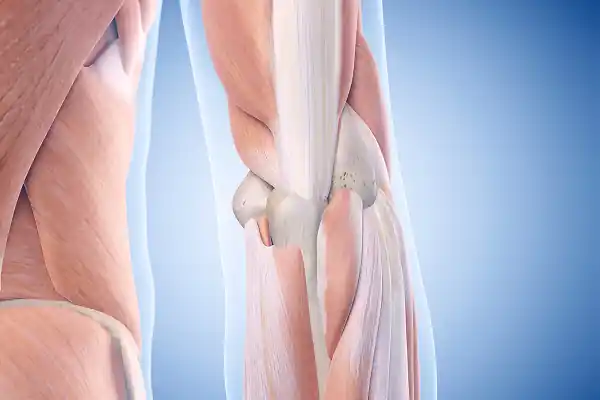
Posterior elbow impingement, also known as Valgus Extension Overload (VEO), is a condition characterized by pain at the back of the elbow, especially when the arm is fully straightened. It is a common overuse injury seen in athletes who perform repetitive, high-velocity overhead motions, such as baseball pitchers. This condition develops from a "wear and tear" pattern where parts of the elbow bones repeatedly contact each other during the throwing motion. Over time, this contact can lead to cartilage damage and the formation of bone spurs, causing pain and functional limitations.
AppointmentsLearn MoreValgus Extension Overload Syndrome
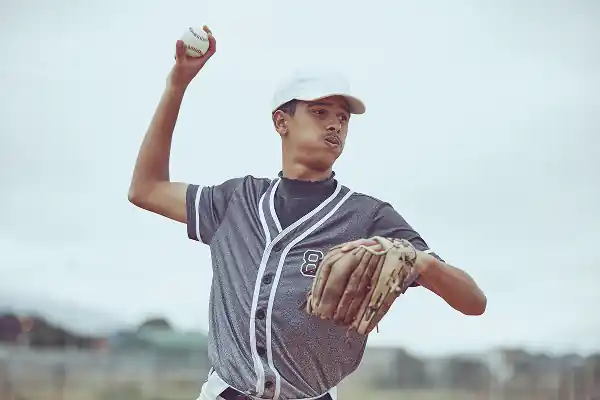
Valgus Extension Overload Syndrome (VEOS), aka pitcher’s / throwers arm is a painful elbow condition, often occurring in athletes. VEOS also causes swelling, clicking noises, and possible numbness, and is a common cause of posterior elbow pain. While it is possible for anyone to get VEOS, throwing athletes, gymnasts, tennis players, boxers are most vulnerable. Both nonsurgical and surgical treatments are available, dependent of the severity of the problem.
AppointmentsLearn MoreElbow Fractures

An elbow fracture is a break in one or more of the bones that make up the elbow joint. The terms "fracture" and "broken bone" are used interchangeably to describe this injury. The elbow is a complex joint where three bones meet: the humerus (upper arm bone), and the radius and ulna (the two bones in your forearm). A fracture can occur in any of these bones due to trauma, such as a fall, a direct blow, or a sports injury. These injuries can range from a small, simple crack in the bone to a severe break where the bone shatters into multiple pieces. Understanding the nature of elbow fractures is the first step toward a proper diagnosis and recovery plan.
AppointmentsLearn MoreHumerus Fractures Elbow
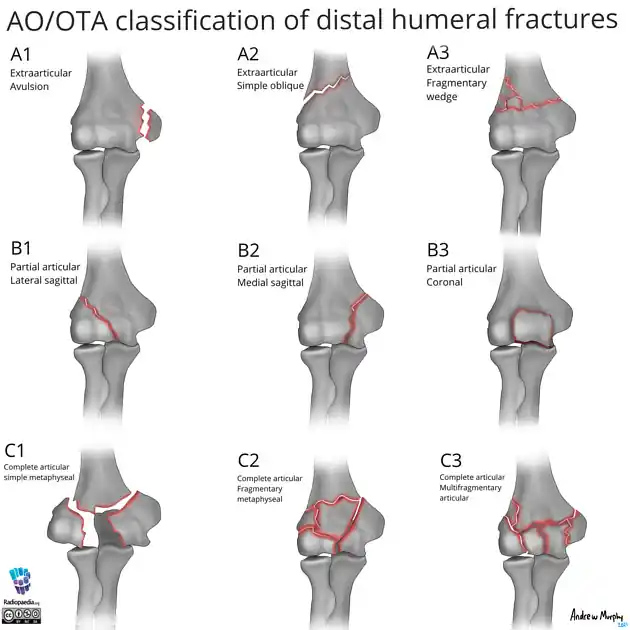
A distal humerus fracture is a break in the lower end of the upper arm bone (the humerus), which forms the upper part of the elbow joint. These fractures, often referred to as humerus fractures of the elbow, can be complex injuries because they involve a critical part of the joint's surface. The terms "fracture" and "broken bone" mean the same thing. This type of break can range from a simple crack to a severe injury where the bone shatters into multiple pieces. These fractures typically result from significant trauma, like a direct blow or a fall, and can have a major impact on arm function if not properly diagnosed and managed.
AppointmentsLearn MoreUlna Fractures Elbow

The olecranon is located directly under the skin of the elbow, without much protection from other soft tissues. It can break easily if you have a direct blow to the elbow or fall onto the tip of the elbow. A fracture can be very painful and make elbow motion difficult or impossible.
AppointmentsLearn MoreRadius Fractures Elbow

A radius fracture is a break in the radius, one of the two major bones in the forearm. The terms "fracture" and "broken bone" mean the same thing. This type of injury is very common, often occurring near the wrist after a fall. However, a fracture can happen anywhere along the radius, including near the elbow joint. These breaks can range from a simple, clean crack with the bone still in proper alignment (a non-displaced fracture) to a complex injury where the bone is shattered into multiple pieces. Given the importance of the forearm and wrist for daily activities, understanding radius fractures is crucial for proper diagnosis and recovery.
AppointmentsLearn MoreCubital Tunnel Syndrome

Cubital tunnel syndrome feels similar to the pain that occurs from hitting the “funny” bone in your elbow. The “funny” bone in the elbow is actually the ulnar nerve, a nerve that crosses the elbow (the ulnar nerve begins in the side of the neck and ends in the fingers).
AppointmentsLearn MoreRadial Tunnel Syndrome
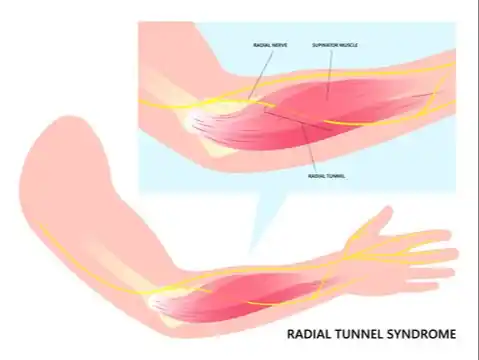
Radial tunnel syndrome is a nerve condition that can cause pain in the forearm. It occurs when the radial nerve is compressed or irritated as it passes through a narrow space near the elbow, known as the radial tunnel. This condition is often challenging to diagnose because its primary symptom—pain—can closely resemble more common issues like "tennis elbow" (lateral epicondylitis). For athletes in racquet or strength sports, as well as individuals with occupations involving repetitive forearm rotation, understanding radial tunnel syndrome is important for getting an accurate diagnosis and appropriate care.
AppointmentsLearn MorePronator Syndrome
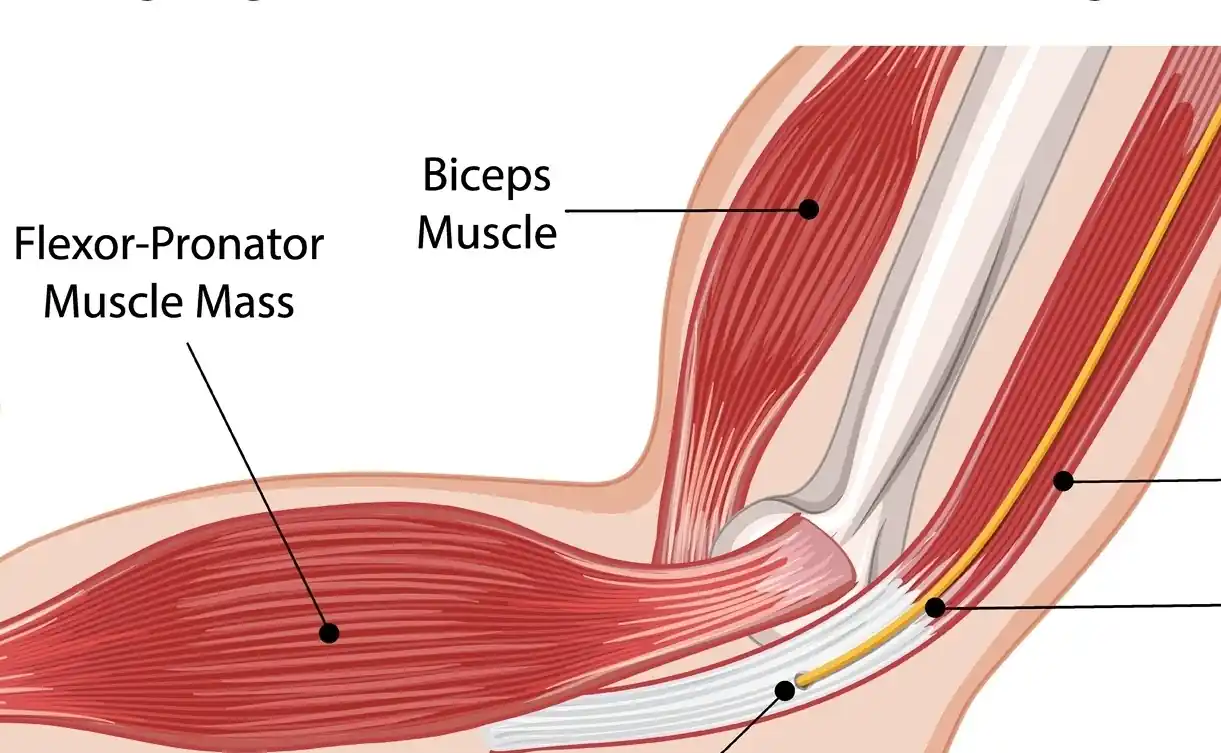
Pronator syndrome is a nerve compression condition affecting the median nerve as it passes through the forearm. This condition can cause pain, aching, and sometimes sensory changes in the forearm and hand. It is often considered a "look-alike" diagnosis because its symptoms can closely mimic other, more common conditions like carpal tunnel syndrome. For individuals whose work or sports involve repetitive gripping and forearm rotation, understanding pronator syndrome is important for achieving an accurate diagnosis and finding the right path toward relief.
AppointmentsLearn MoreOlecranon Bursitis

Olecranon bursitis refers to inflammation and swelling of the bursa over the elbow. The olecranon is the bony lump at the elbow, which is part of the ulna bone.
A bursa is a sac created by synovial membrane filled with a small amount of synovial (joint) fluid. They are found at bony prominences around the body (e.g., at the shoulder, elbow, hip , and knee). They act to reduce the friction between the bones and soft tissues during movement.
AppointmentsLearn MoreOlecranon Spur

An olecranon spur is a type of bone spur that develops on the olecranon—the pointed, bony tip of the elbow. Medically, this specific type of spur is known as an enthesophyte because it forms where a tendon or ligament attaches to bone. In this case, it grows at the insertion point of the triceps tendon. While the idea of a "spur" might sound sharp or painful, many olecranon spurs are found incidentally on X-rays and cause no symptoms at all. However, when they are associated with inflammation or mechanical issues, they can contribute to posterior elbow pain.
AppointmentsLearn MoreFailed Surgery Elbow
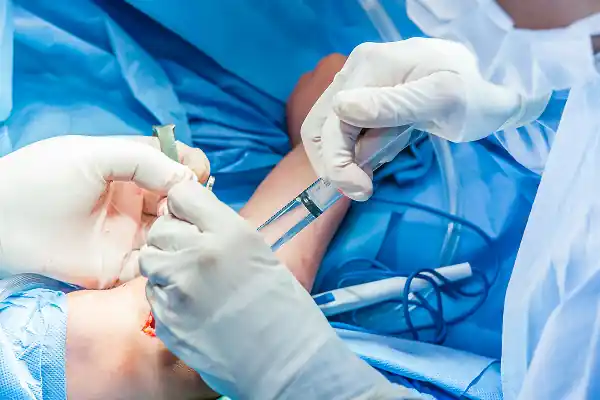
The term "failed elbow surgery" is used when an operation on the elbow does not produce the expected results, leaving a patient with persistent pain, stiffness, instability, or other functional problems. It's important to understand that "failure" in a medical context isn't about blame; it signifies that the goals of the surgery—such as pain relief and improved function—have not been met. This can apply to various procedures, from fracture repair to joint replacement (arthroplasty). Understanding the potential reasons for persistent issues is the first step in evaluating the problem and determining the next steps.
AppointmentsLearn MoreDifficult Cases Elbow

The term "difficult elbow cases" refers to complex elbow problems that have not responded to initial treatments or that present with challenging diagnostic or management issues. These situations can arise from severe initial injuries, complications from a previous surgery, or underlying conditions that make standard treatments less effective. For patients, navigating a difficult elbow case can be a frustrating and uncertain experience, often involving persistent pain, stiffness, or instability. A specialized approach is often required to accurately diagnose the root cause of the problem and map out a path forward.
AppointmentsLearn MoreFrequently Asked Questions
What Common Elbow Conditions Do We Treat?
Our practice manages the full spectrum of elbow disorders, from common overuse injuries to complex trauma. Because we use our elbows for almost every upper-body movement, they are susceptible to various forms of stress and injury. Some of the most common conditions we treat include lateral epicondylitis (tennis elbow) and medial epicondylitis (golfer's elbow), which cause pain on the outside or inside of the elbow, respectively. We also specialize in treating cubital tunnel syndrome (nerve compression), elbow arthritis, distal biceps tendon ruptures, and complex fractures. No matter the complexity of your condition, Dr. Kamineni has the expertise to provide a precise diagnosis and effective treatment plan.
What is Cubital Tunnel Syndrome and How is it Managed?
Cubital tunnel syndrome occurs when the ulnar nerve—the "funny bone" nerve—becomes compressed or irritated on the inside of the elbow. This can cause numbness, tingling, and pain in the ring and small fingers, as well as weakness in the hand. It often happens when you sleep with your elbow bent or lean on your elbow for long periods. Management begins with modifying activities and wearing a splint at night to keep the arm straight. If nerve compression is severe or muscle wasting has begun, surgery may be necessary. Dr. Kamineni performs ulnar nerve release or transposition surgeries to relieve pressure on the nerve and prevent permanent damage.
How is Elbow Arthritis Diagnosed and Treated?
Elbow arthritis involves the wearing away of the cartilage that cushions the joint, leading to pain, stiffness, and a grating sensation during movement. It can result from age-related wear (osteoarthritis), inflammatory diseases (rheumatoid arthritis), or previous injuries (post-traumatic arthritis). Diagnosis involves a physical exam and X-rays to assess the joint space and bone spurs. Early treatment includes anti-inflammatory medication, activity modification, and cortisone injections. For advanced arthritis where daily function is severely limited, Dr. Kamineni is an expert in total elbow replacement, utilizing the state-of-the-art Enovis® Discovery™ Elbow System to restore motion and eliminate pain.
What Happens if I Rupture My Biceps Tendon?
A distal biceps tendon rupture occurs when the tendon attaching the biceps muscle to the elbow tears, usually from lifting a heavy object. This injury often causes a sudden "pop," immediate pain, bruising, and weakness when twisting the forearm (like using a screwdriver). While some patients may function with a tear, active individuals typically require surgery to regain full strength. Dr. Kamineni performs distal biceps repairs to reattach the torn tendon to the bone. This procedure is most effective when performed soon after the injury, allowing for a quicker return to full strength and activity.
How Do I Schedule an Appointment with Dr. Kamineni?
We understand that you are in pain and want to see a specialist as soon as possible. Our office makes the scheduling process simple and efficient. You can book your appointment by calling our friendly staff directly or by using our convenient online scheduling portal. We strive to offer timely appointments to get you on the road to recovery quickly. Dr. Kamineni and his team look forward to providing you with the world-class care you deserve right here in Southern Illinois.