Understanding Capitellar OCD
An Educational Guide to Capitellar Osteochondritis Dissecans (OCD)
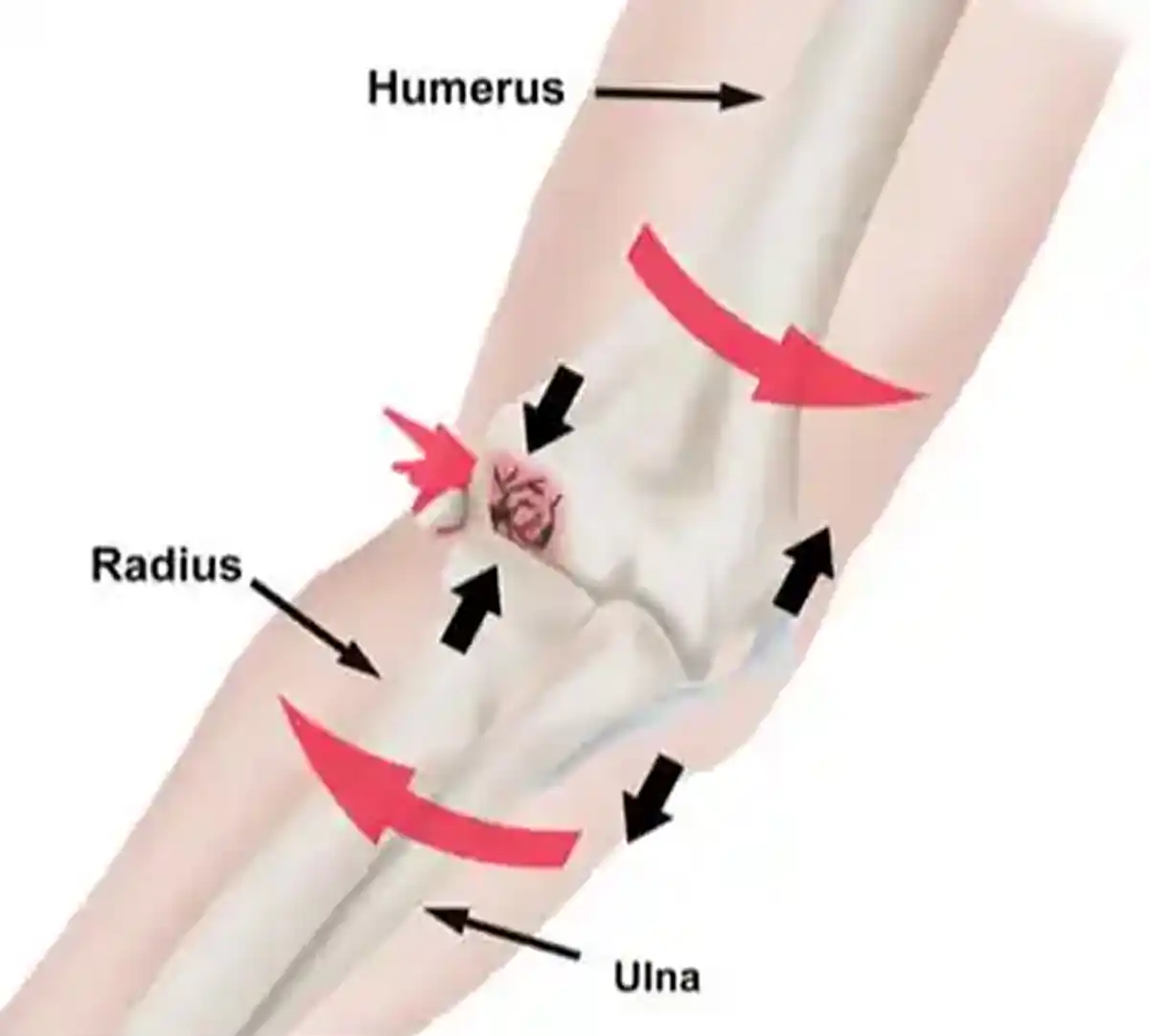
Osteochondritis dissecans, or OCD, is a condition that affects the cartilage and the underlying bone within a joint. In the elbow, this condition most commonly occurs in the capitellum, which is part of the humerus (upper arm bone) on the outer side of the joint. Capitellar OCD is essentially an injury to this area, often linked to repetitive stress and overuse. It is frequently seen in young athletes who participate in sports that place significant load on the elbow, such as baseball and gymnastics. Understanding the causes, symptoms, and diagnostic process is the first step toward managing this condition effectively.
Detailed Information on Capitellar OCD
All About Capitellar OCD
Capitellar OCD involves an injury to the articular cartilage covering the end of the humerus and the subchondral bone just beneath it. This condition is most often associated with sports that involve repetitive overhead throwing or weight-bearing on the upper extremities. The repeated stress from these activities can compromise blood flow to a specific area of the bone, causing it to soften and potentially break loose from the surrounding healthy bone, taking the overlying cartilage with it.
Causes and Risk Factors
The primary cause of Capitellar OCD is repetitive stress on the elbow joint. It is strongly linked to overuse in youth sports.
- Overhead Sports: Athletes in sports like baseball are at high risk due to the valgus (outward) and compressive forces placed on the elbow during the throwing motion.
- Weight-Bearing Sports: Gymnasts are also commonly affected because they repeatedly load their elbows in a weight-bearing capacity during various maneuvers.
- Age: The condition is most common in adolescents, often between the ages of 10 and 20, whose bones and cartilage are still developing and may be more vulnerable to repetitive high loads.
Symptoms
The symptoms of Capitellar OCD can vary depending on the severity and stage of the lesion. Early on, the condition might not cause any pain.
- Lateral Elbow Pain: The most common symptom is pain on the outer side of the elbow that worsens with activity.
- Swelling: The elbow joint may appear swollen.
- Loss of Motion: Difficulty fully straightening or extending the elbow is a frequent complaint.
- Mechanical Symptoms: If a piece of bone and cartilage becomes loose and floats within the joint (a loose body), it can cause mechanical symptoms like catching, clicking, or locking of the elbow.
Diagnosis
Diagnosing Capitellar OCD involves a thorough clinical evaluation and often requires medical imaging.
- Physical Examination: A clinician will review the athlete's history, including sports participation, and perform a physical exam. Mechanical symptoms like locking or an inability to fully extend the elbow are strong indicators of an issue within the joint.
- X-rays: In the early stages, X-rays may appear normal. As the condition progresses, they can reveal the lesion or a loose bone fragment in the joint.
- MRI or CT Scans: These advanced imaging studies provide a much more detailed view of the cartilage and the underlying bone. They are crucial for determining the size and stability of the OCD lesion and are better at defining the extent of the injury than X-rays alone.
- Ultrasound: In some cases, ultrasound may be used as a screening tool to evaluate the elbow in young athletes.
Frequently Asked Questions
What is the difference between a stable and an unstable OCD lesion?
The stability of an OCD lesion is a critical factor in understanding its severity. A stable lesion means the fragment of bone and cartilage is still in its original place and has not detached. These may cause pain and swelling but typically do not cause mechanical symptoms like locking. An unstable lesion occurs when the fragment has partially or completely broken away from the surrounding bone. This instability can lead to the fragment moving within the joint, causing more severe symptoms like catching, clicking, and locking.
Can Capitellar OCD heal on its own?
The potential for healing depends largely on the patient's age and the stability of the lesion. In younger athletes whose bones are still growing, stable lesions have a better chance of healing with non-operative management, which primarily involves a period of rest from aggravating activities. However, unstable lesions or those in older adolescents and adults are less likely to heal on their own. The formation of a loose body, which causes mechanical locking, is a clear sign that the lesion is unstable and unlikely to resolve without further intervention.
Why are mechanical symptoms like locking and catching so important?
Mechanical symptoms such as locking, catching, or clicking are significant because they strongly suggest there is a problem inside the joint, like a loose piece of cartilage or bone. These symptoms often indicate that an OCD lesion has become unstable or a fragment has broken free. When a clinician hears about these specific issues, it raises the suspicion of an intra-articular problem beyond simple inflammation. This often prompts the need for more advanced imaging, like an MRI, to confirm the presence of a loose body and determine the best course of action.