Expert Diagnosis and Care for All Shoulder Conditions
Comprehensive Shoulder Pain Treatment In Southern Illinois
Living with shoulder pain can be incredibly limiting, affecting everything from your ability to reach for a cup of coffee to sleeping comfortably through the night. Whether your pain is caused by a sudden sports injury, a work-related accident, or the gradual onset of arthritis, finding the root cause is the first step toward relief. The shoulder is a complex joint, and effective treatment requires a deep understanding of its anatomy and biomechanics.
Dr. Srinath Kamineni is a world-renowned shoulder specialist in Southern Illinois, dedicated to helping patients overcome a wide range of shoulder conditions. As a surgeon who is double fellowship-trained and board-certified in both the USA and England, Dr. Kamineni brings an elite level of expertise to the diagnosis and management of shoulder disorders. His background includes prestigious training at the Mayo Clinic and a commitment to using the most advanced, evidence-based treatments available. Whether you need non-surgical management or complex reconstruction, our practice is focused on restoring your function and improving your quality of life.
If you are struggling with shoulder pain, don't wait for it to worsen. Contact our office today to schedule a comprehensive evaluation and take the first step toward recovery.
Appointments
Biceps Tendinitis
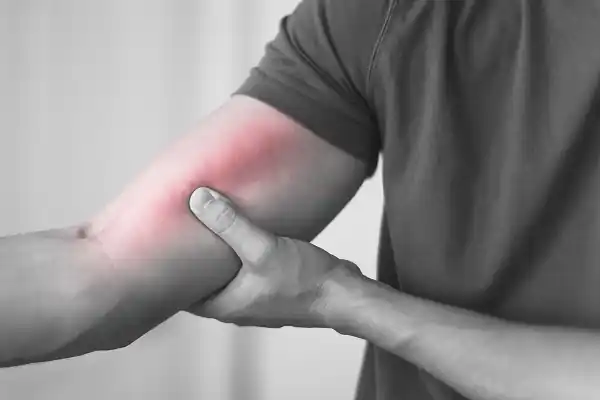
Biceps tendinitis is a common condition that causes pain in the front of the shoulder, resulting from irritation and inflammation of a biceps tendon. Tendons are the strong, flexible cords that attach muscles to bones. While the term "tendinitis" specifically implies inflammation, this condition often involves long-term wear and tear that can weaken the tendon over time. It can make simple movements like reaching overhead or lifting an object feel painful and difficult.
AppointmentsLearn MoreAcromioclavicular (AC) Joint Arthritis

The acromioclavicular (AC) joint is located at the top of the shoulder where the collarbone (clavicle) meets the shoulder blade (acromion). This joint plays a key role in allowing the arm to move overhead and across the body.AC joint arthritis occurs when the cartilage within this joint wears down over time, leading to pain, inflammation, and reduced function. It is a common source of shoulder pain, especially in individuals who perform repetitive overhead movements, weightlifting, or manual labor.
AppointmentsLearn MoreAcromioclavicular (AC) Joint Injury
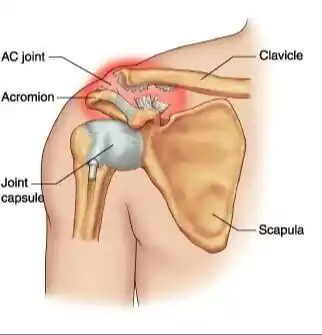
The acromioclavicular, or AC, joint is a joint in the shoulder where two bones meet. One of these bones is the collarbone, or clavicle. The second bone is actually part of the shoulder blade (scapula), which is the big bone behind the shoulder that also forms part of the shoulder joint. The portion of the shoulder blade that meets the clavicle is called the acromion. As a result, where the clavicle meets the acromion is called the AC joint. Like most joints in the body where bones meet, there is cartilage between the two bones, which is the white tissue between bones that allows them to move on each other, like Teflon on two ball bearings.
AppointmentsLearn MoreClavicle Fractures
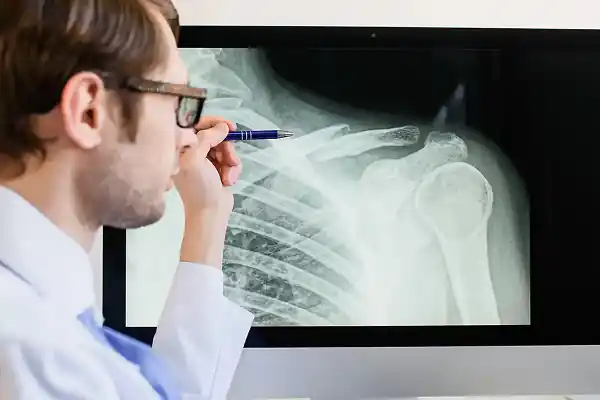
A clavicle fracture, more commonly known as a broken collarbone, is an injury to the bone that connects your breastbone (sternum) to your shoulder blade. The clavicle is the slender, slightly S-shaped bone that you can feel running horizontally across the top of your chest, just below your neck. It plays a vital role in connecting your arm to the rest of your body and providing stability to the entire shoulder structure. Breaking this bone is a relatively frequent injury, affecting people of all ages, from active children and athletes to older adults. Clavicle fractures are among the most common types of breaks in the shoulder area, representing a significant portion of all fractures seen in adults.
AppointmentsLearn MoreComplete Rotator Cuff Tear
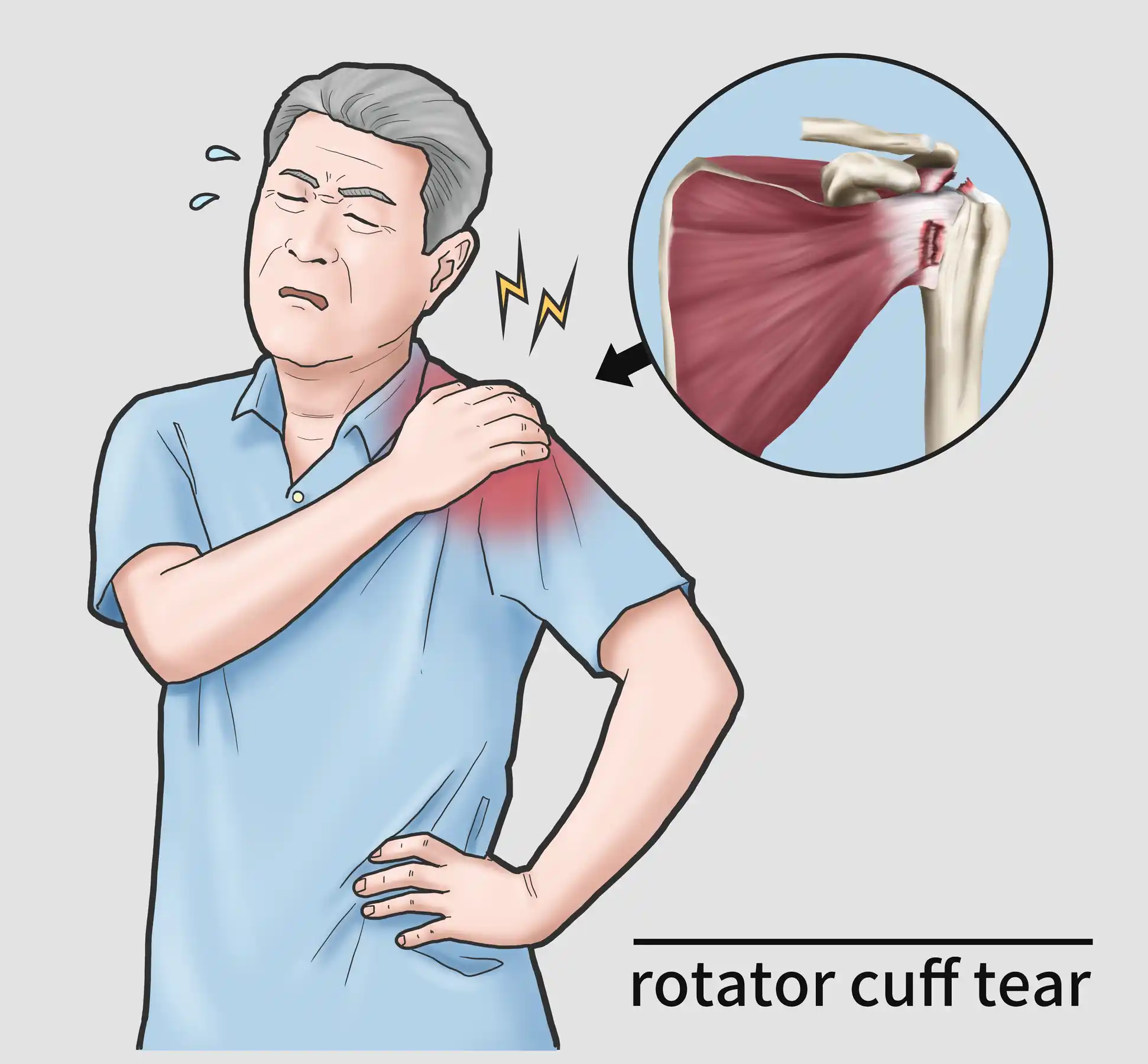
A complete rotator cuff tear is a full-thickness tear of a tendon in the shoulder's rotator cuff. In simpler terms, it means that one of the tendons responsible for shoulder movement has torn completely, detaching from the bone. This type of injury can lead to significant shoulder pain, weakness, and difficulty with everyday activities. Rotator cuff problems are quite common; in fact, millions of people visit their doctors each year for related issues. A complete tear is a more severe form of rotator cuff injury compared to a partial tear, and understanding what it means is the first step toward managing it.
AppointmentsLearn MoreFrozen Shoulder
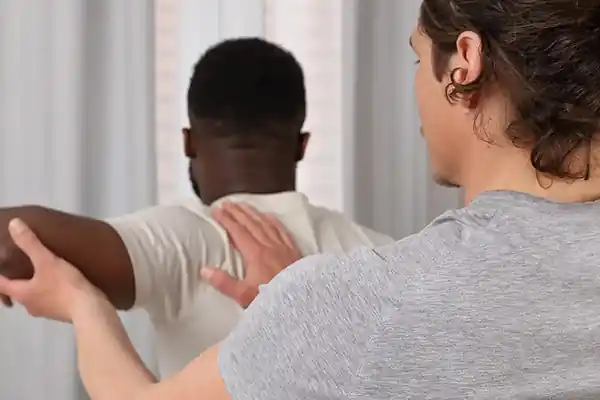
Frozen shoulder, known in the medical world as adhesive capsulitis, is a common but often misunderstood condition. It causes persistent pain and stiffness in the shoulder joint, which can eventually make the shoulder extremely difficult to move. The term "frozen" aptly describes the sensation of the shoulder being stuck or locked in place. While symptoms typically start slowly and worsen over time, the condition usually improves on its own, though full recovery can be a lengthy process, sometimes taking one to three years.
AppointmentsLearn MoreLoose Bodies in the Shoulder

Loose bodies in the shoulder are small, free-floating fragments of bone or cartilage that have broken off and are moving around inside the shoulder joint. These fragments are sometimes called "joint mice." A healthy shoulder is a smooth, well-oiled machine where the bones glide effortlessly against one another, cushioned by cartilage and lubricated by joint fluid. A loose body is like a pebble or a piece of gravel caught in the gears of this machine. Even a tiny fragment can cause pain, inflammation, and disruptive mechanical symptoms like catching or locking.
AppointmentsLearn MorePartial Rotator Cuff Tear
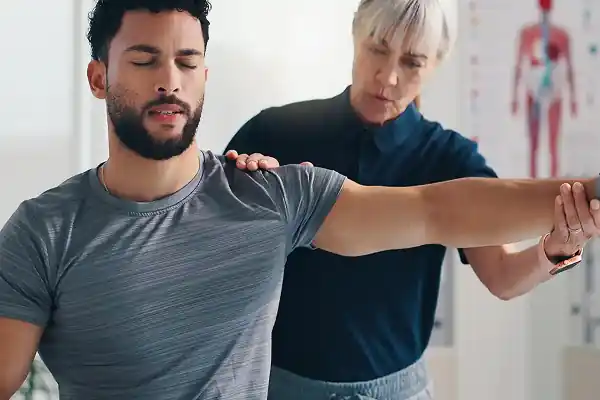
A partial rotator cuff tear is a common shoulder injury where one of the rotator cuff tendons is damaged but not completely torn through. In this type of injury, also called a partial-thickness tear, some of the tendon's fibers are frayed or torn, but a portion remains intact and attached to the bone. This differs from a complete tear, where the tendon is fully severed. Partial rotator cuff tears are a frequent source of shoulder pain and weakness, particularly in adults over 40.
AppointmentsLearn MorePosterior Capsular Contracture
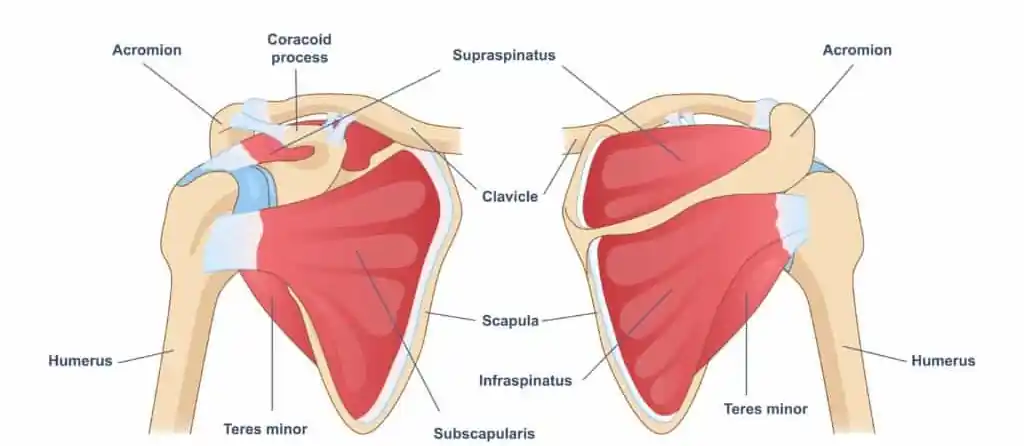
Posterior capsular contracture is a condition where the back portion of the shoulder's joint capsule becomes unusually tight and loses its flexibility. This tightening, known as a "contracture," can lead to significant shoulder pain, stiffness, and a noticeable loss of motion. It is a recognized cause of shoulder problems, especially among athletes, but it can affect anyone.
AppointmentsLearn MoreRotator Cuff Arthritis

Shoulder pain and weakness can make everyday life difficult, turning simple tasks like combing your hair or reaching for a high shelf into a challenge. When these symptoms are severe and persistent, they might point to a specific type of shoulder problem called rotator cuff arthritis. Known medically as rotator cuff tear arthropathy, this condition is a complex issue that combines two separate problems: a large, long-standing tear of the rotator cuff tendons and degenerative arthritis in the shoulder joint.
AppointmentsLearn MoreScapula Fractures
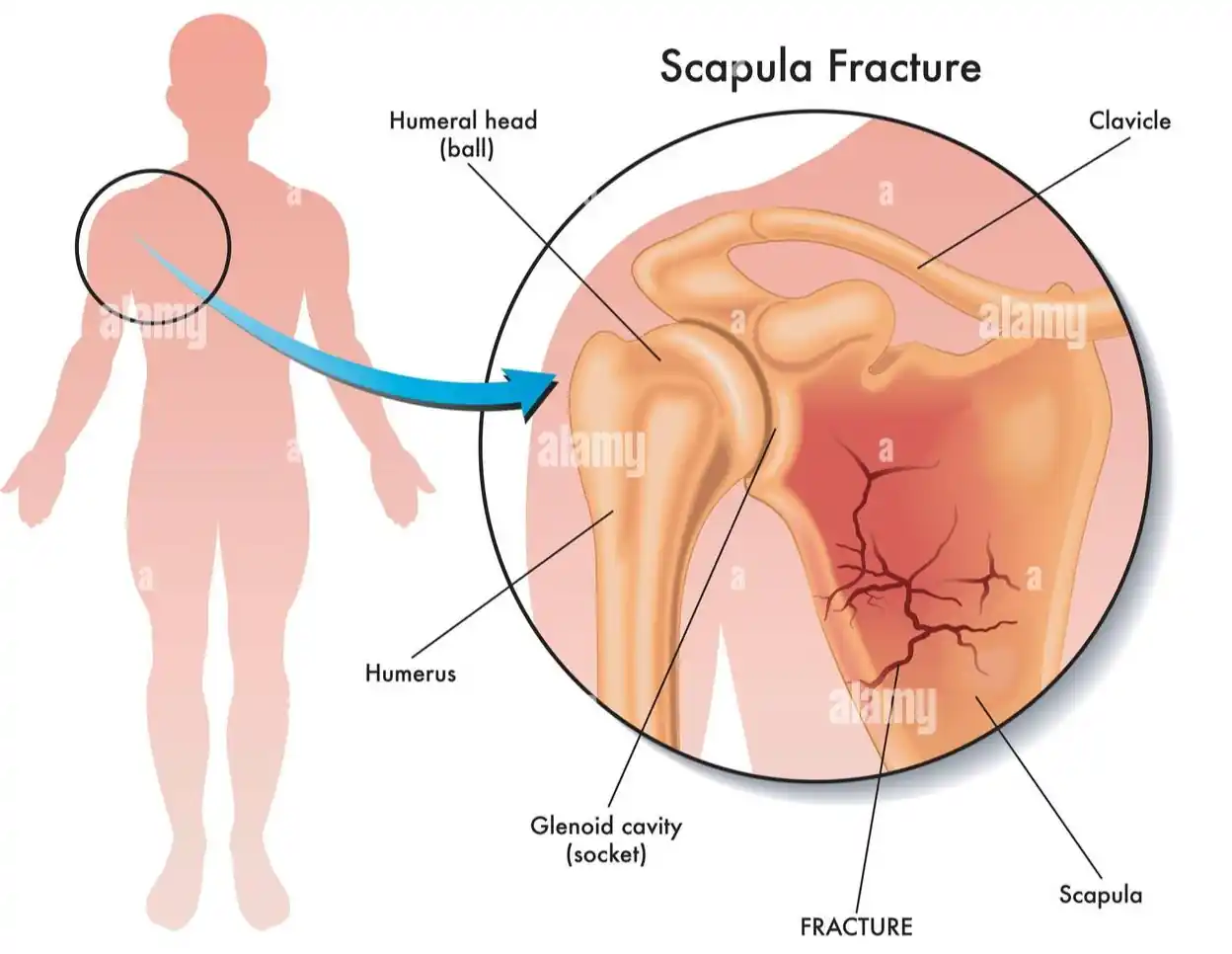
A scapula fracture, or a broken shoulder blade, is a rare and often serious injury. The scapula is the large, flat, triangular bone located at the back of your shoulder. It serves as a crucial connection point, linking the upper arm bone (humerus) and the collarbone (clavicle) to the rest of the body. The socket for the shoulder joint, known as the glenoid, is part of the scapula. Because this bone is well-protected by a thick layer of surrounding muscles in the upper back and shoulder, it takes a tremendous amount of force to break it. For this reason, scapula fractures are very uncommon, making up less than 1% of all broken bones.
AppointmentsLearn MoreScapular Dyskinesis
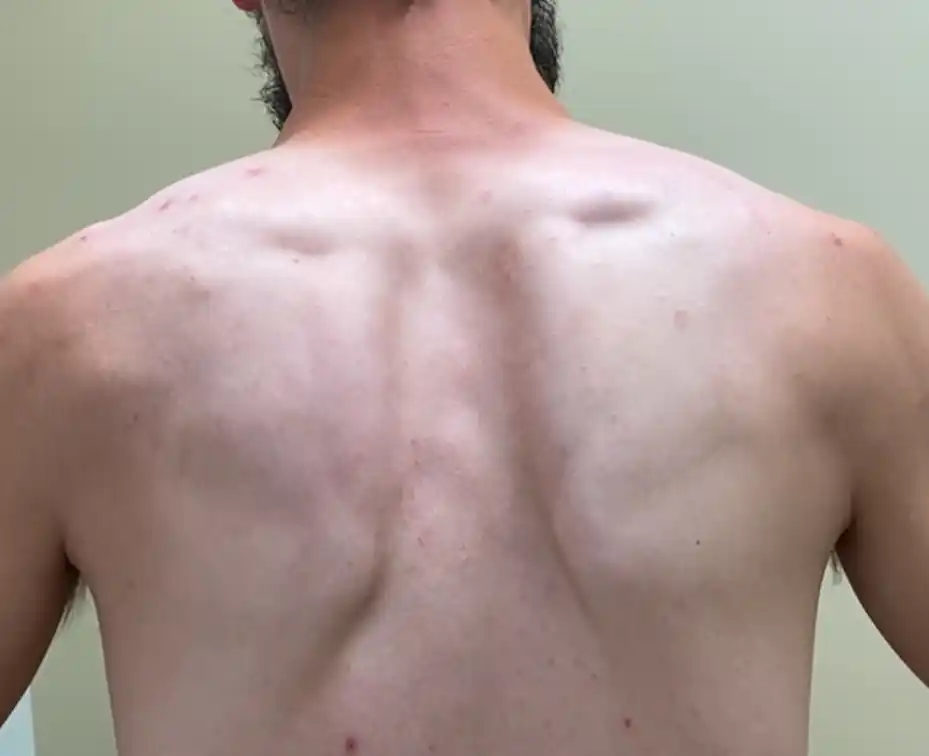
Scapular dyskinesis is an alteration in the normal position or motion of the scapula during shoulder movement. The scapula, or shoulder blade, plays a vital role in nearly all upper extremity activity — it serves as a stable base for the rotator cuff muscles, helps transfer force between the arm and the rest of the body, and positions the shoulder socket (glenoid) optimally during arm elevation. When the scapula fails to move in its proper coordinated pattern, the entire mechanics of the shoulder are disrupted. This altered movement is most commonly seen as abnormal winging or tilting of the shoulder blade away from the rib cage. While scapular dyskinesis can affect anyone, it is particularly prevalent among overhead athletes such as swimmers, baseball pitchers, and tennis players, and is frequently associated with other shoulder conditions including rotator cuff injuries and shoulder impingement syndrome.
AppointmentsLearn MoreShoulder Atraumatic Instability
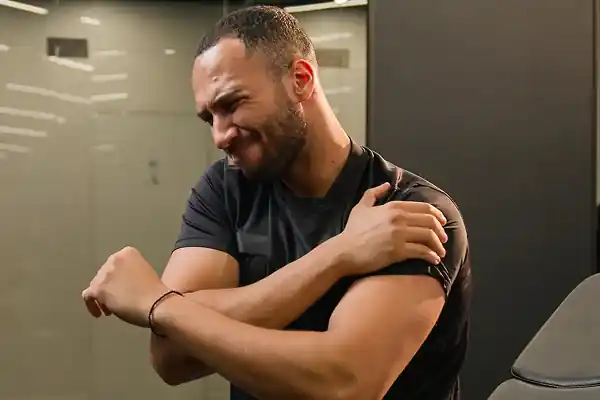
Shoulder atraumatic instability is a condition where the shoulder joint becomes loose and prone to slipping out of place without a single, significant injury. Unlike traumatic instability, which begins with a forceful dislocation, atraumatic instability often develops gradually or is present from birth due to a person's natural anatomy. Individuals with this condition might describe their shoulder as feeling "loose," "unstable," or as if it’s "not staying put." They may even be able to partially or fully dislocate their shoulder voluntarily.
AppointmentsLearn MoreShoulder Bursitis
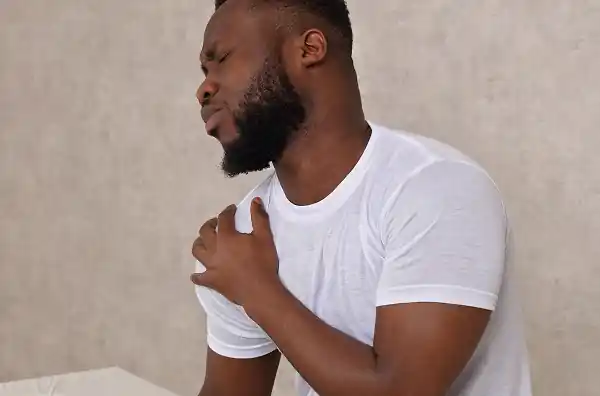
Shoulder bursitis is a very common reason for shoulder pain and stiffness. It can affect anyone, though it is more frequent in adults over 30, especially those who often use their arms for overhead motions. The condition happens when a small, fluid-filled sac in your shoulder, called a bursa, becomes irritated and swollen. This swelling can cause pain and make it difficult to move your arm as you normally would. Understanding what shoulder bursitis is, what causes it, and how to recognize the signs is an important first step toward getting the right care and preventing future issues.
AppointmentsLearn MoreShoulder Calcific Tendinitis

Shoulder calcific tendinitis is a painful condition that occurs when calcium deposits build up in the tendons of the shoulder, most often within the rotator cuff. This buildup can lead to significant inflammation and pain, making it difficult to move your arm and go about your daily life. While the name sounds complex, the condition is essentially a specific type of tendon inflammation caused by these calcium formations.
AppointmentsLearn MoreShoulder Crystal Arthritis
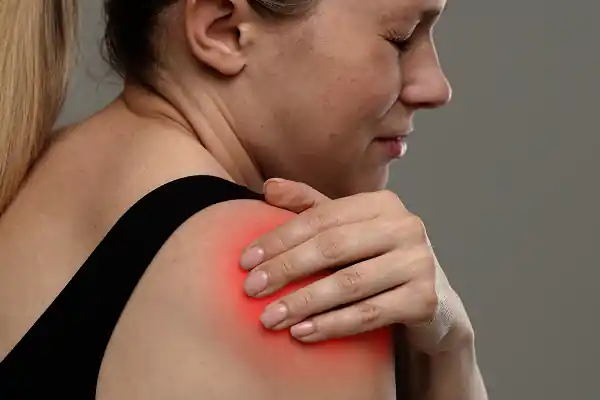
Waking up to a sudden, intensely painful, and swollen shoulder can be an alarming experience. When there’s no obvious injury, it’s natural to wonder what could be causing such severe symptoms. One possible culprit is a condition known as crystal arthritis. This type of arthritis occurs when microscopic crystals form and deposit within a joint, triggering a powerful inflammatory response from the body.
AppointmentsLearn MoreShoulder Dislocation
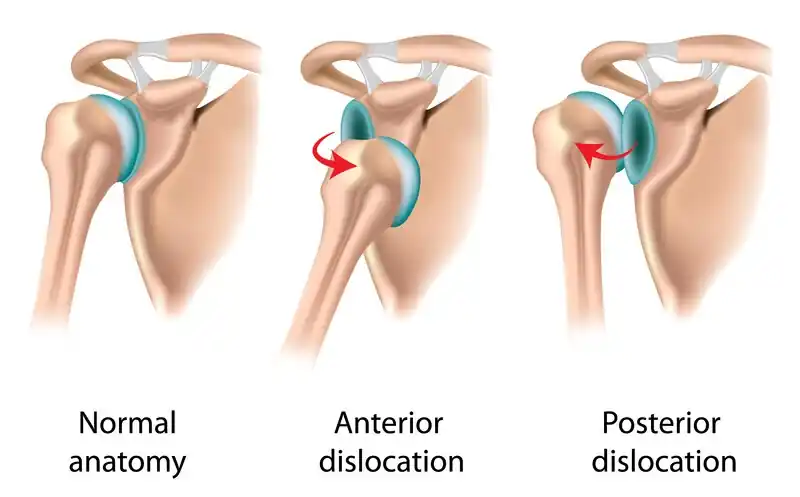
A shoulder dislocation is a painful and often dramatic injury where the ball of the upper arm bone (humerus) comes completely out of its socket in the shoulder blade. The shoulder joint, known for being the most mobile joint in the body, is unfortunately also the most prone to dislocation. In a stable shoulder, the ball-shaped head of the humerus fits snugly into the shallow socket (glenoid), held securely by a network of ligaments, the joint capsule, and a rim of cartilage called the labrum. A dislocation occurs when a significant force overwhelms these structures, pushing the ball out of its normal position.
AppointmentsLearn MoreShoulder Habitual Instability
Shoulder habitual instability is a complex and often frustrating condition where the shoulder repeatedly slips out of its socket, either partially or completely, with very little force. The term "habitual" suggests that the dislocations have become a recurring, almost routine event for the joint. This isn't a formal medical diagnosis on its own, but rather a descriptive term for a pattern of chronic instability that can severely impact a person's trust in their shoulder and their ability to lead a normal, active life.
AppointmentsLearn MoreShoulder Hemophiliac Arthritis

For individuals living with hemophilia, joint health is a primary concern. While much attention is given to knees, ankles, and elbows, the shoulder can also be significantly affected by the long-term consequences of this bleeding disorder. When repeated bleeding occurs in the shoulder joint, it can lead to a chronic and painful condition known as shoulder hemophiliac arthritis, or hemophilic arthropathy.
AppointmentsLearn MoreShoulder Humerus Fractures

When people talk about a "broken shoulder," they are often referring to a proximal humerus fracture. This is a break in the upper part of the humerus, which is the long bone of your upper arm. The "proximal" part refers to the section closest to the center of your body, specifically the area that forms the "ball" of the shoulder's ball-and-socket joint. This part of the bone includes the humeral head (the ball), the neck of the humerus just below it, and the small bony bumps (tubercles) where important rotator cuff muscles attach.
AppointmentsLearn MoreShoulder Impingement
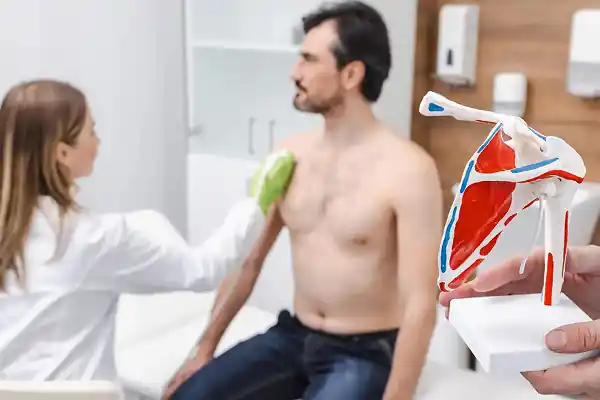
Shoulder impingement is one of the most common reasons people experience shoulder pain. It happens when the tendons or the bursa (a small lubricating sac) in your shoulder get pinched by the surrounding bones during movement. This pinching, or "impingement," can cause pain, inflammation, and limit your ability to use your arm comfortably.
This condition is often referred to as shoulder impingement syndrome, subacromial impingement, or simply impingement. It is closely related to other shoulder issues like rotator cuff tendinitis (inflammation of the tendons) and shoulder bursitis (inflammation of the bursa), as these problems are often caused by the same mechanical pinching.
AppointmentsLearn MoreShoulder Infection Arthritis

Waking up with a shoulder that is suddenly, intensely painful, swollen, and hot to the touch can be a frightening experience. When these symptoms are also accompanied by a fever or general feeling of illness, it could be a sign of a serious condition known as shoulder infection arthritis, or septic arthritis of the shoulder. This is not a typical form of arthritis caused by wear and tear; it is a direct infection inside the shoulder joint that requires immediate medical attention.
AppointmentsLearn MoreShoulder Instability Arthritis
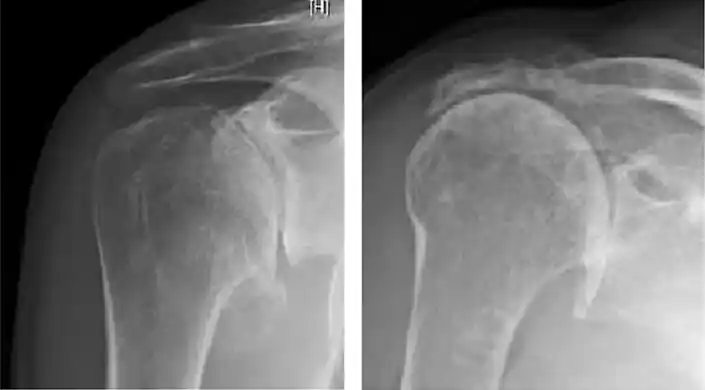
A shoulder injury, like a dislocation, can feel like a distant memory years after it happens. You might have recovered, returned to your activities, and put the incident behind you. But what happens when, years or even decades later, that same shoulder starts to ache, feel stiff, and grind with movement? This frustrating experience could be a sign of shoulder instability arthritis, a long-term consequence of a shoulder that was once loose or prone to slipping out of place.
AppointmentsLearn MoreShoulder Nerve Injuries

Shoulder nerve injuries occur when the nerves around the shoulder are stretched, compressed, or torn, leading to pain, weakness, and loss of sensation in the arm. These injuries can affect daily activities and significantly reduce quality of life. Whether caused by trauma, repetitive motion, or underlying conditions, shoulder nerve injuries require expert evaluation to determine the most effective path to recovery and restored function.
AppointmentsLearn MoreShoulder Osteoarthritis

The shoulder is one of our most mobile and versatile joints, allowing us to reach, lift, throw, and perform countless daily tasks. But over time, this hard-working joint can be affected by arthritis. Shoulder osteoarthritis is a common, degenerative condition that involves the gradual breakdown of the joint's protective cartilage. Often called "wear-and-tear" arthritis, this process can lead to pain, stiffness, and a loss of function that can significantly impact a person's quality of life.
AppointmentsLearn MoreShoulder Post-Traumatic Arthritis
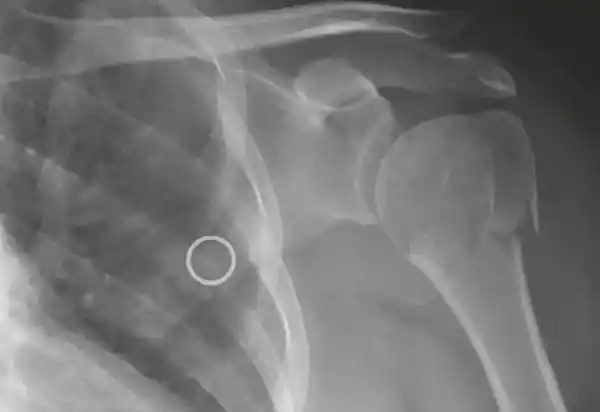
An old shoulder injury—a bad fall, a sports collision, a car accident—can feel like a distant memory. But what happens when, years later, that same shoulder starts to ache, grind, and lose its easy range of motion? This delayed-onset pain and stiffness could be a sign of post-traumatic arthritis, a form of joint disease triggered by a past injury.
AppointmentsLearn MoreShoulder Rheumatoid Arthritis

When shoulder pain and stiffness begin to interfere with everyday life, many people assume it's due to aging or a simple strain. However, if the pain affects both shoulders, is worse in the morning, and is accompanied by fatigue or a general feeling of being unwell, it could be a sign of rheumatoid arthritis (RA). Shoulder rheumatoid arthritis is a chronic autoimmune disease where the body's own immune system mistakenly attacks the lining of the shoulder joints, causing inflammation, pain, and progressive damage.
AppointmentsLearn MoreShoulder Stiffness
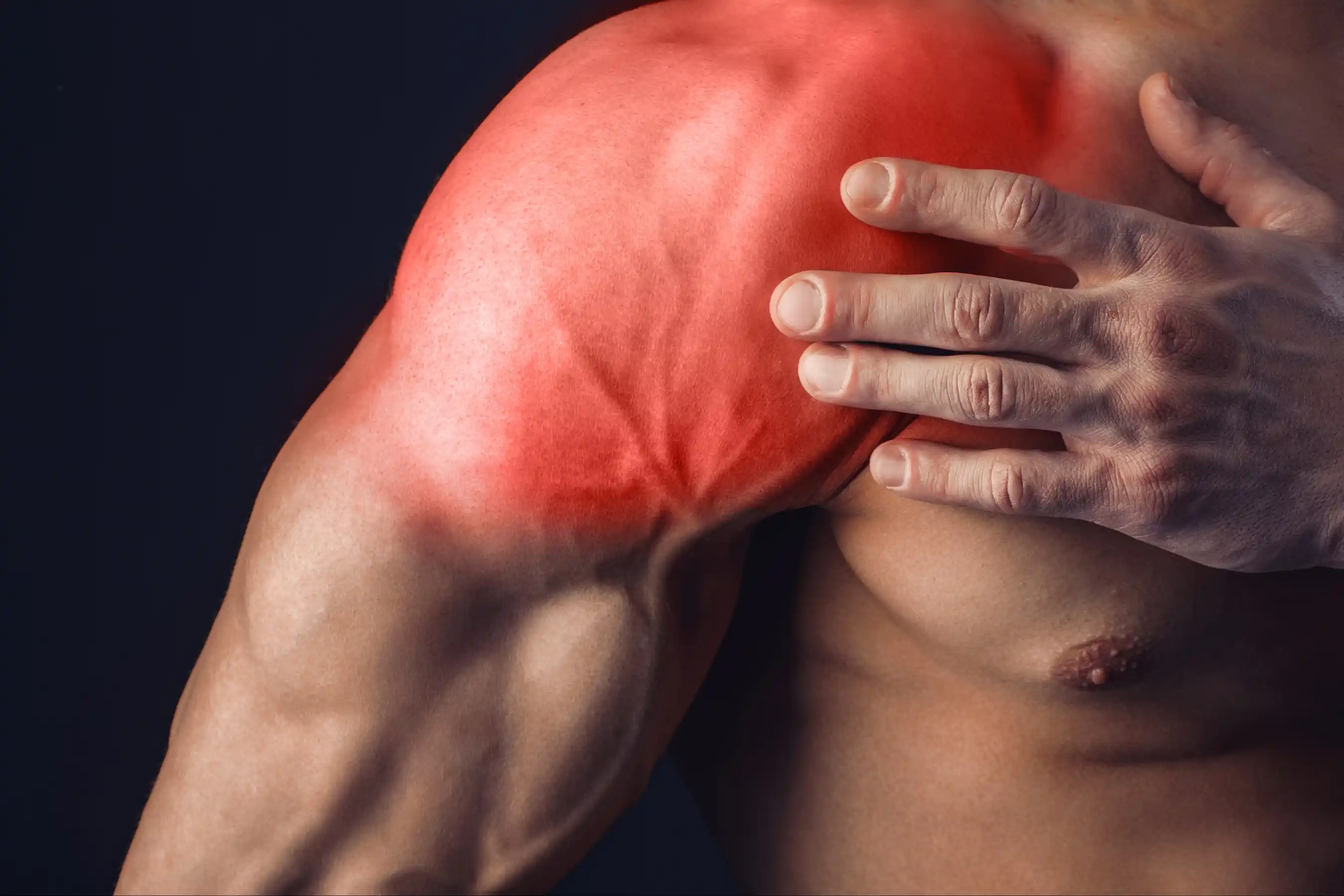
Shoulder stiffness is a common and often frustrating condition characterized by a loss of the shoulder's normal range of motion. The shoulder is designed to be the most mobile joint in the human body, allowing us to reach in nearly every direction. When stiffness sets in, these movements become difficult, painful, or even impossible. You might feel as though your shoulder is "stuck" or "frozen," significantly impacting your ability to perform simple, everyday tasks.
AppointmentsLearn MoreShoulder Traumatic Instability
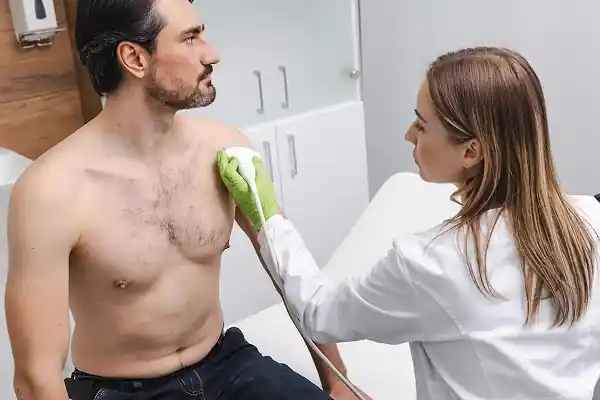
Shoulder traumatic instability is a condition where the shoulder joint becomes loose and prone to "giving way" or dislocating after a significant injury. In simple terms, a person experiences a traumatic event, such as a sports injury or a fall, that damages the shoulder's stabilizing structures. As a result, the shoulder no longer stays securely in its socket and can repeatedly slip out of place. This condition can be painful, unsettling, and can significantly limit a person's ability to participate in sports and even perform daily activities with confidence.
AppointmentsLearn MoreSLAP Tears
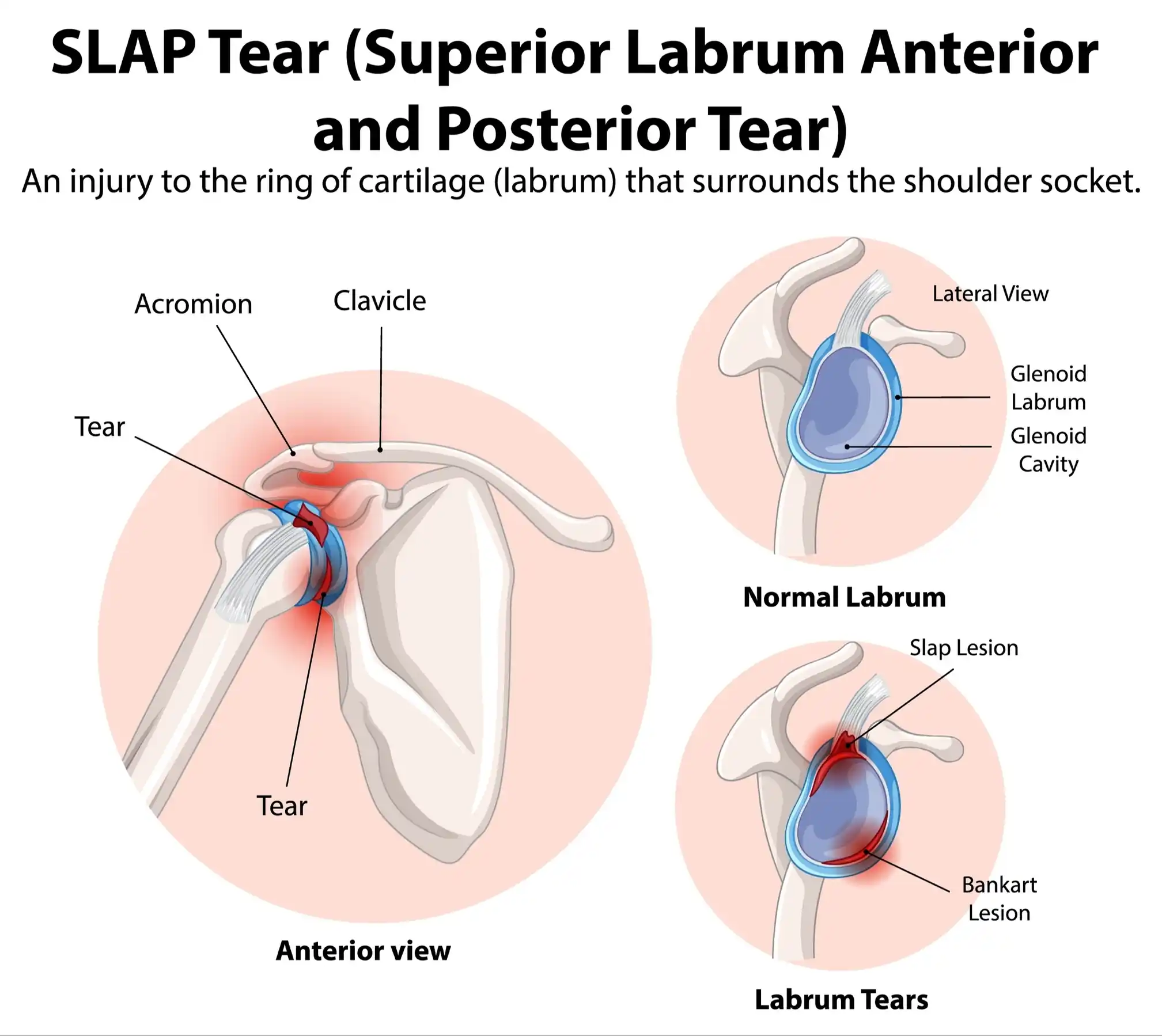
A SLAP tear is a specific type of injury to the labrum, which is the ring of cartilage that helps stabilize your shoulder joint. The term SLAP is an acronym that stands for Superior Labrum Anterior to Posterior. This means the tear occurs at the top part of the labrum, running from the front to the back. This is a critical area because it's also where one of the main biceps tendons attaches to the shoulder socket.
AppointmentsLearn MoreSternoclavicular Joint Instability
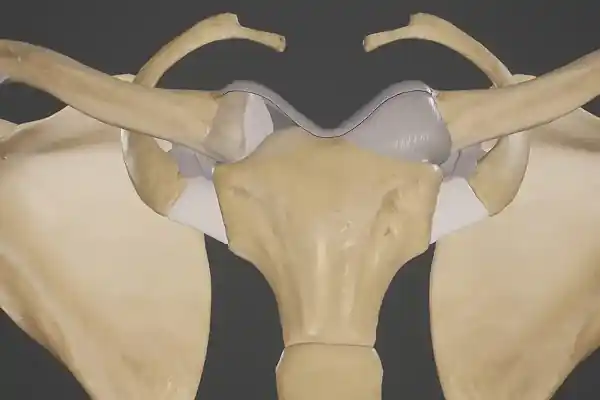
The shoulder complex is made up of several joints that work together to give your arm its incredible range of motion. While most people are familiar with the main ball-and-socket joint, there are other, smaller joints that are just as crucial for function and stability. One of these is the sternoclavicular (SC) joint, and when it becomes injured, it can lead to a rare but potentially serious condition known as sternoclavicular joint instability.
AppointmentsLearn MoreThoracic Outlet Syndrome
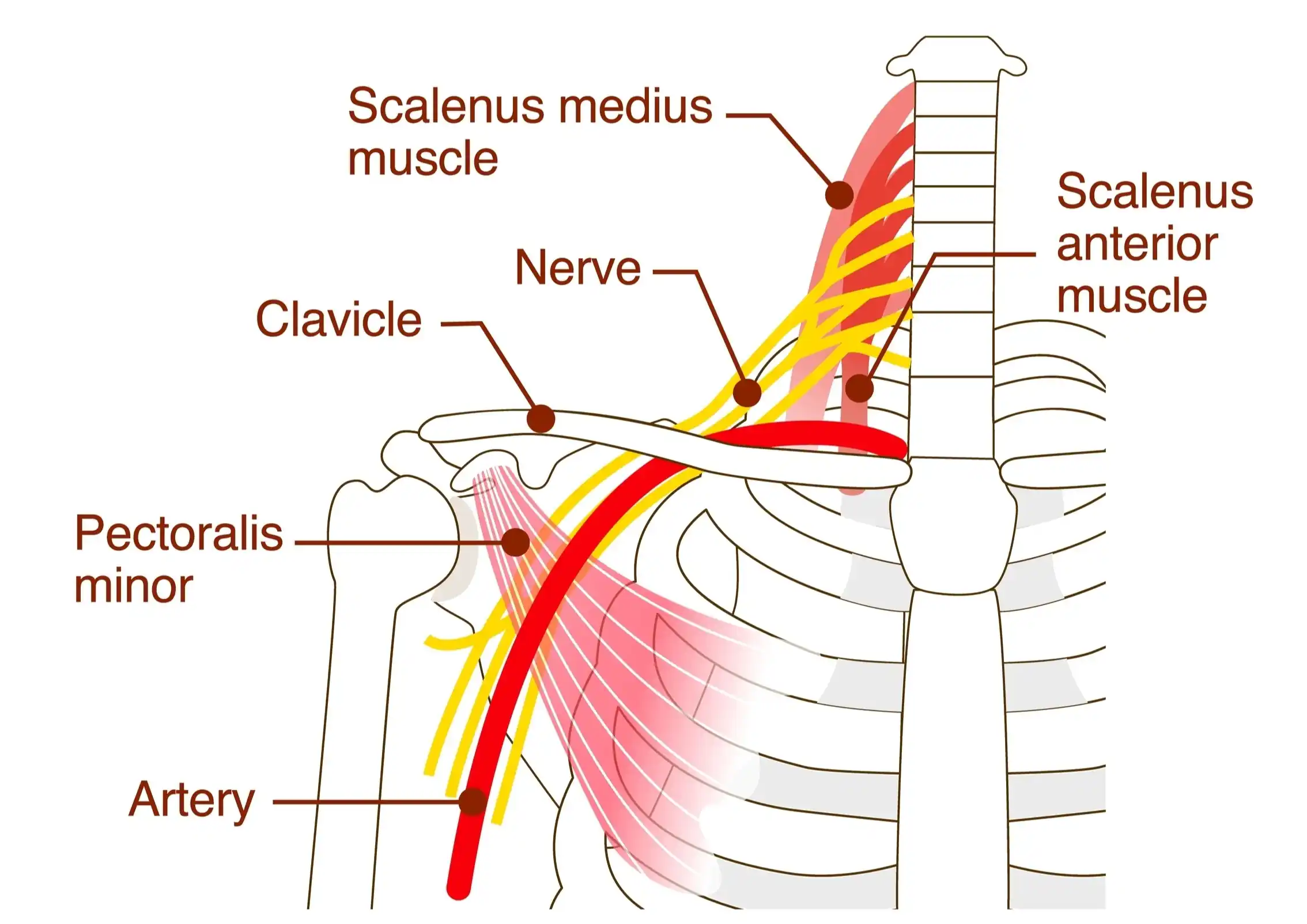
Thoracic outlet syndrome, often called TOS, is a group of disorders that occur when the nerves or blood vessels in the space between your collarbone and your first rib are compressed. This narrow passageway is known as the thoracic outlet. It’s a crowded area, home to the brachial plexus (a network of nerves that controls your arm and hand) and the major blood vessels (the subclavian artery and vein) that supply your arm. When this space becomes too narrow, it can put pressure on these vital structures, leading to a variety of symptoms, most commonly pain in the neck and shoulder, and numbness or tingling in the arm and fingers.
AppointmentsLearn MoreTrapezius Strain

A trapezius strain is an injury to the large, powerful trapezius muscle, which spans your upper back, neck, and shoulders. Often called a "pulled trap," this injury occurs when the muscle fibers are overstretched or torn. Because the trapezius is essential for moving your head, neck, and shoulders, a strain can cause significant pain, stiffness, and discomfort that interferes with daily activities.
AppointmentsLearn MoreFrequently Asked Questions
What Common Shoulder Conditions Do We Treat?
Our practice manages the full spectrum of shoulder disorders, from common overuse injuries to complex trauma. The shoulder is the most mobile joint in the body, which also makes it susceptible to instability and injury. Some of the most common conditions we treat include rotator cuff tears, which can cause weakness and pain; shoulder impingement, a condition where tendons rub against the shoulder blade; and osteoarthritis, the "wear and tear" that destroys joint cartilage. We also specialize in treating shoulder instability and dislocations, frozen shoulder (adhesive capsulitis), labral tears, and fractures of the clavicle (collarbone) or humerus. No matter the complexity of your condition, Dr. Kamineni has the expertise to provide a precise diagnosis and effective treatment plan.
How is Shoulder Arthritis Diagnosed and Treated?
Shoulder arthritis, particularly osteoarthritis, involves the breakdown of the smooth cartilage that cushions the joint. Symptoms typically include a deep, aching pain, stiffness, and a grinding sensation during movement. Diagnosis begins with a physical exam and X-rays to visualize the joint space and bone spurs. Treatment usually starts conservatively with physical therapy, anti-inflammatory medications, and corticosteroid injections to reduce inflammation. If these measures fail to provide relief, surgical options may be considered. Dr. Kamineni is an expert in shoulder replacement surgery, utilizing advanced Enovis® systems to perform anatomic or reverse total shoulder replacements tailored to your specific anatomy.
What are the Symptoms of a Rotator Cuff Tear?
The rotator cuff is a group of muscles and tendons that hold the shoulder joint in place and allow you to lift and rotate your arm. A tear in these tendons is a very common cause of pain and disability. Symptoms often include pain at rest and at night, particularly if lying on the affected shoulder; pain when lifting and lowering your arm or with specific movements; weakness when lifting or rotating your arm; and a crackling sensation (crepitus) when moving your shoulder in certain positions. Tears can happen suddenly from an injury or develop gradually over time. Dr. Kamineni offers both non-surgical management and advanced arthroscopic repair techniques for rotator cuff tears.
When is Surgery Necessary for Shoulder Instability?
Shoulder instability occurs when the head of the upper arm bone is forced out of the shoulder socket. This can happen as a result of a sudden injury or from overuse. Once a shoulder has dislocated, it is vulnerable to repeat episodes. Surgery is generally recommended for patients with recurrent dislocations or for young athletes after a first-time dislocation to prevent future instability. Procedures typically involve repairing the torn labrum (Bankart repair) or tightening the stretched ligaments. Dr. Kamineni specializes in both arthroscopic stabilization and complex open reconstruction procedures to restore stability and confidence to the joint.
WHAT IS FROZEN SHOULDER AND HOW IS IT MANAGED?
Frozen shoulder, or adhesive capsulitis, is a condition characterized by stiffness and pain in the shoulder joint. It occurs when the connective tissue surrounding the joint (the capsule) becomes thickened and tight. The condition typically develops in three stages: freezing (painful), frozen (stiff), and thawing (improving). Management primarily focuses on controlling pain and restoring motion. This often involves physical therapy, stretching exercises, and sometimes corticosteroid injections. In severe cases that do not respond to conservative therapy, Dr. Kamineni can perform an arthroscopic capsular release, a minimally invasive procedure to cut the tight capsule and restore movement.
How Do I Schedule an Appointment with Dr. Kamineni?
We understand that you are in pain and want to see a specialist as soon as possible. Our office makes the scheduling process simple and efficient. You can book your appointment by calling our friendly staff directly or by using our convenient online scheduling portal. We strive to offer timely appointments to get you on the road to recovery quickly. Dr. Kamineni and his team look forward to providing you with the world-class care you deserve.