Understanding Traumatic Anterior Shoulder Instability
Traumatic anterior shoulder instability occurs when the shoulder joint becomes unstable after a sudden injury, most commonly a dislocation. Because the shoulder is the most mobile joint in the body, it is also more vulnerable to instability when its supporting structures are damaged.
This condition is especially common in athletes and active individuals but can happen to anyone after a fall, collision, or sudden force applied to the shoulder. Once instability develops, the shoulder may feel loose, slip out of place, or become prone to repeated dislocations.
This guide explains what traumatic anterior shoulder instability is, how it happens, common symptoms, and how it is diagnosed.
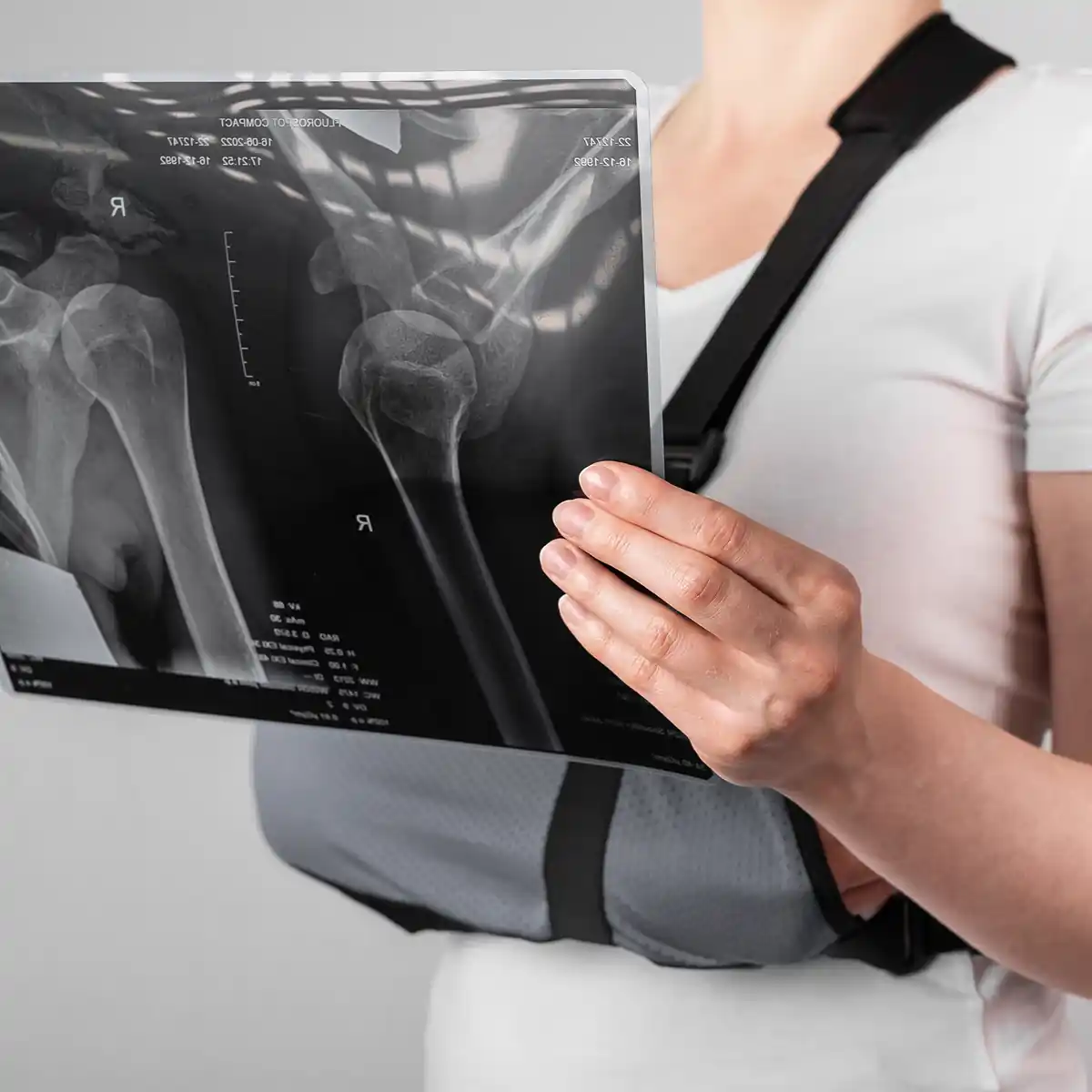
What is Traumatic Anterior Shoulder Instability?
The shoulder is a ball-and-socket joint where the head of the humerus (upper arm bone) fits into the shallow socket of the shoulder blade (glenoid). Stability is maintained by a combination of ligaments, cartilage (labrum), and surrounding muscles.
Traumatic anterior instability occurs when a force pushes the humeral head forward out of the socket. This often damages key stabilizing structures such as:
- The Labrum: A cartilage ring that deepens the socket (often injured in a Bankart tear)
- Ligaments: Which help hold the joint in place
- Bone: In some cases, small fractures or bone loss can occur
Once these structures are compromised, the shoulder may no longer remain stable, especially during overhead or rotational movements.
Common Causes of Shoulder Instability
Traumatic anterior shoulder instability is typically caused by a sudden injury rather than gradual wear-and-tear.
- Sports Injuries: Football, wrestling, baseball, and contact sports
- Falls: Landing on an outstretched arm
- Direct Trauma: Car accidents or collisions
- Previous Dislocation: Once dislocated, the risk of recurrence increases significantly
Younger individuals and athletes are at higher risk for repeated instability after the first injury.
Signs and Symptoms
- Sudden Shoulder Pain: Often severe at the time of injury
- Visible Deformity: Shoulder may appear out of place during dislocation
- Recurrent “Slipping” Sensation: Feeling like the shoulder may pop out
- Weakness: Difficulty lifting or rotating the arm
- Limited Range of Motion: Especially overhead movements
- Apprehension: Fear or discomfort when placing the arm in certain positions
Some patients experience repeated instability episodes even with minor movements after the initial injury.
How is Shoulder Instability Diagnosed?
Diagnosis begins with a detailed medical history and physical exam. Your provider will evaluate shoulder motion, strength, and signs of instability.
- Physical Exam: Special tests to assess joint stability
- X-rays: To check for fractures or alignment issues
- MRI: To evaluate soft tissue damage such as labral tears
- CT Scan: In cases of suspected bone loss
Accurate diagnosis is essential to determine the best treatment approach and prevent further injury.
Patient Education Guide
Download a detailed overview of traumatic anterior shoulder instability, including anatomy, injury patterns, and treatment considerations.
Frequently Asked Questions
Can a dislocated shoulder heal on its own?
While the joint can be repositioned, the damaged ligaments and labrum often do not fully heal on their own, increasing the risk of future instability.
Will my shoulder keep dislocating?
In many cases, especially in younger patients, the shoulder becomes more prone to repeated dislocations after the first injury.
Do I need surgery?
Not always. Some patients improve with physical therapy, but recurrent instability or significant structural damage may require surgical repair.
Is it safe to exercise with shoulder instability?
Yes, but exercises should be guided by a professional to strengthen stabilizing muscles while avoiding positions that increase risk of dislocation.
How long does recovery take?
Recovery varies depending on severity and treatment, ranging from weeks with therapy to several months if surgery is required.