Your Specialist for Advanced Shoulder Pain Treatment
Shoulder Replacement Surgery in Southern Illinois
Severe shoulder pain from arthritis or a complex injury can impact daily activities such as sleeping, dressing, or lifting your arm. When the cartilage within the shoulder joint becomes worn, movement may become more difficult. When conservative care options are no longer effective, shoulder replacement surgery may be considered. Choosing a qualified orthopedic shoulder specialist is an important step in determining the most appropriate care plan.
Dr. Srinath Kamineni is a shoulder specialist in the USA and an experienced shoulder replacement surgeon in Olney, IL. As a double fellowship-trained and board-certified surgeon in both the USA and England, he provides patient-focused care. Dr. Kamineni utilizes modern surgical planning and implant technology, including a range of Enovis shoulder systems(opens in a new tab), including stemless, short stem, and revision components. Surgical planning may include CT-based imaging and navigation platforms such as ASTRA™ Arvis®.
If you are looking for a shoulder replacement specialist, schedule a consultation with Dr. Kamineni to discuss your options.
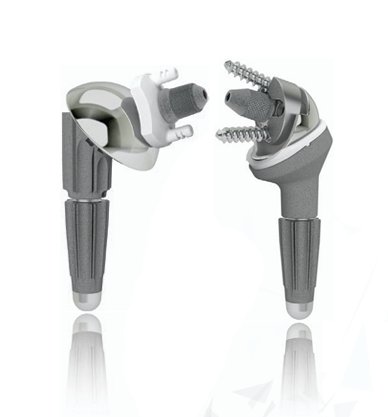



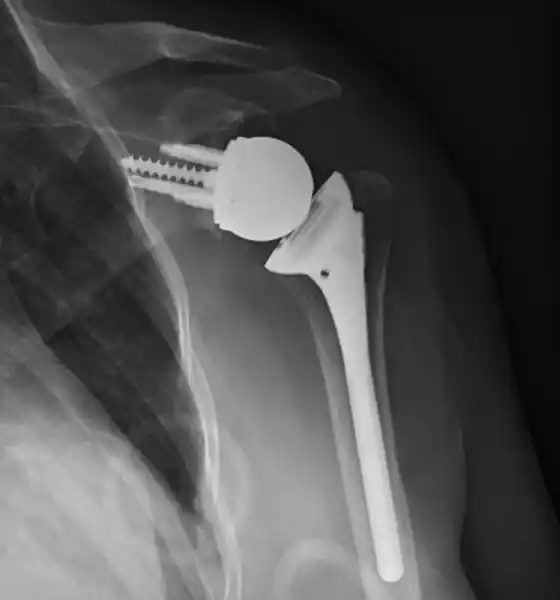
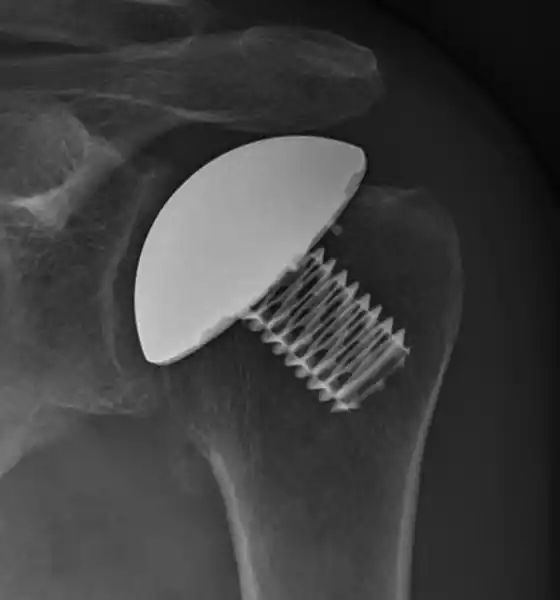

Shoulder Replacement Options
Shoulder replacement surgery is not one single procedure. Implant selection and surgical strategy depend on the condition of the joint, the integrity of the rotator cuff, bone quality, prior surgery, and individual goals.
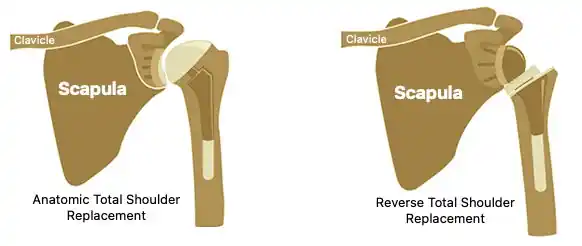
Anatomic Shoulder Replacement
Designed to replicate the native ball-and-socket relationship of the shoulder joint and may be considered when the rotator cuff is functioning.
Reverse Shoulder Replacement
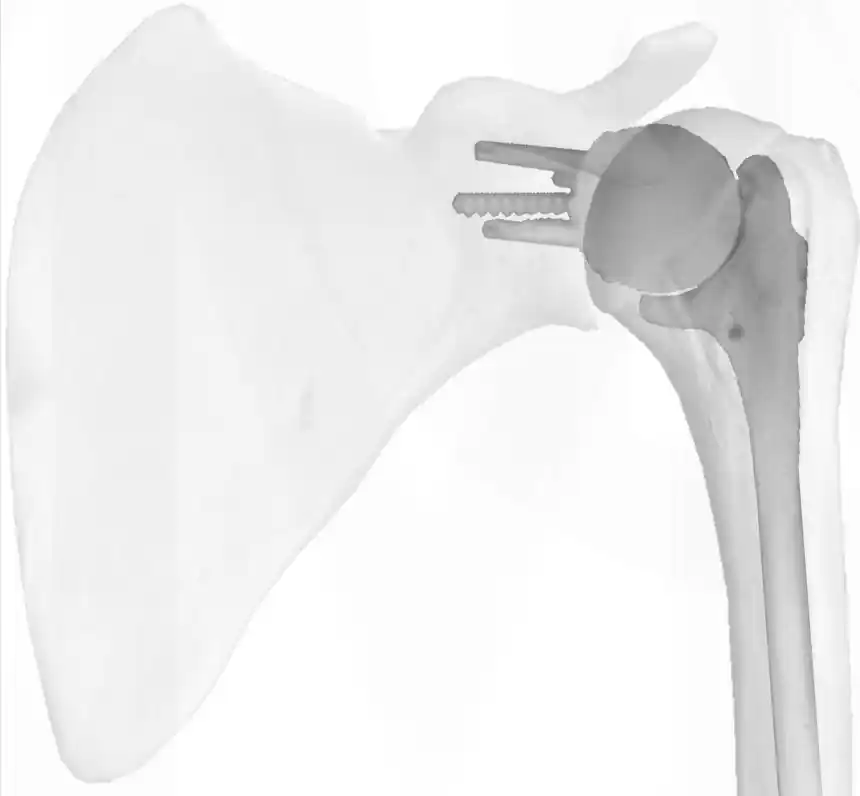
Changes the mechanics of the shoulder and may be considered when the rotator cuff is significantly compromised or in certain revision settings.
Surgical Planning & Navigation
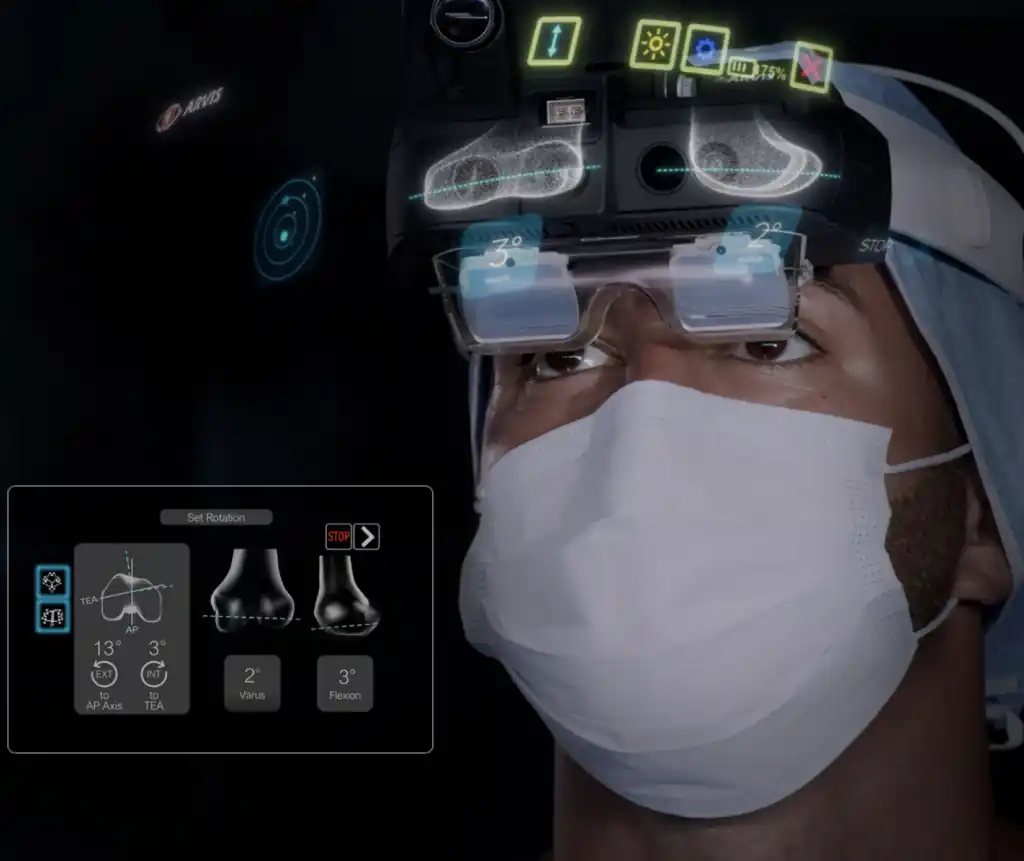
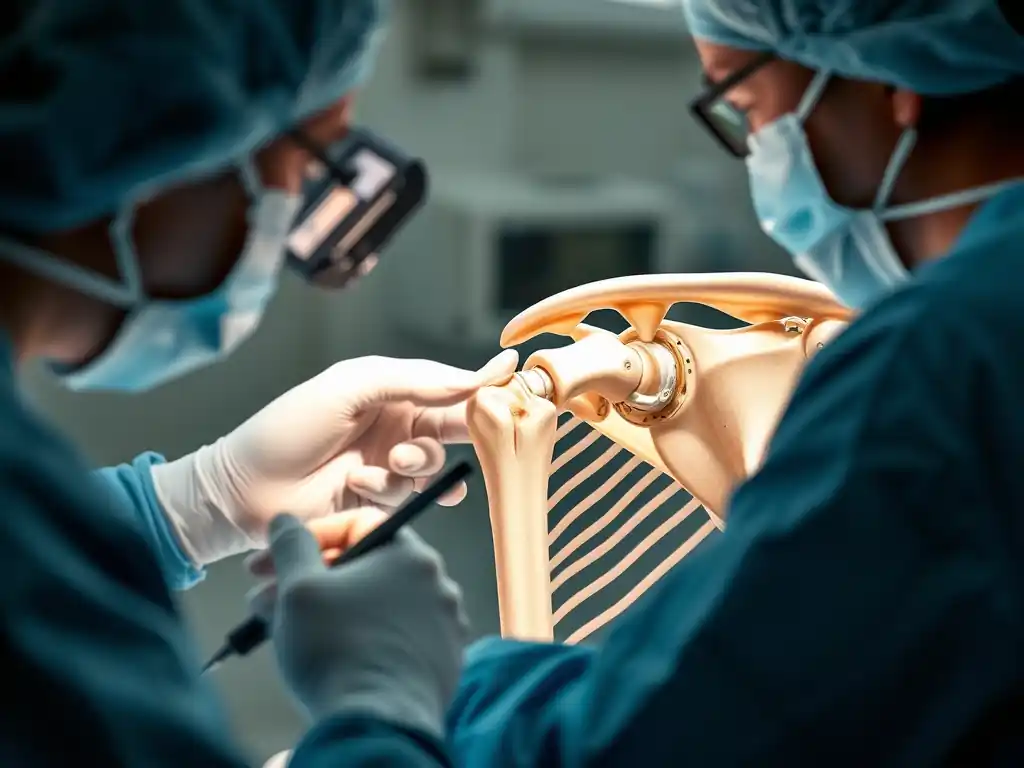
Dr. Kamineni utilizes advanced CT-based imaging and navigation platforms including ASTRA™ Arvis® to support precise surgical planning and implant positioning.

Frequently Asked Questions
What Are Enovis Shoulder Systems?
Dr. Kamineni utilizes a range of Enovis shoulder systems designed to accommodate different patient anatomies and clinical scenarios. These systems include:
- Stemless and Short Stem Options: Designed to preserve bone where appropriate.
- Standard Stem Implants: Traditional implant designs used in a variety of cases.
- Anatomic and Reverse Systems: Selected based on rotator cuff condition and shoulder structure.
- Revision Components: Used in cases where prior shoulder replacements require additional surgical management.
The choice of implant is based on individual evaluation, imaging, and surgical planning.
What Are the Different Types of Shoulder Replacement Surgery?
There are two primary types of shoulder replacement surgery:
- Anatomic Total Shoulder Replacement: Designed to replicate the natural structure of the shoulder joint when the rotator cuff is intact.
- Reverse Total Shoulder Replacement: Alters the joint mechanics and may be used when the rotator cuff is significantly compromised.
Who is a Candidate for Shoulder Replacement?
Candidates may include individuals with ongoing shoulder pain, limited mobility, or difficulty performing daily activities despite conservative treatments such as physical therapy, medications, or injections. A comprehensive evaluation is required to determine appropriate treatment options.
What is the recovery process like?
Recovery generally includes a period of immobilization followed by a structured rehabilitation program. Specific timelines and protocols vary based on the individual and the procedure performed.
How long do shoulder replacements last?
Implant longevity depends on multiple factors, including patient activity level, bone quality, and overall health. Your surgeon can provide information specific to your individual case.
What kind of function can I expect after surgery?
Postoperative outcomes vary between individuals. Your surgeon will discuss expected outcomes, risks, and considerations during your consultation.
Clinical Outcomes
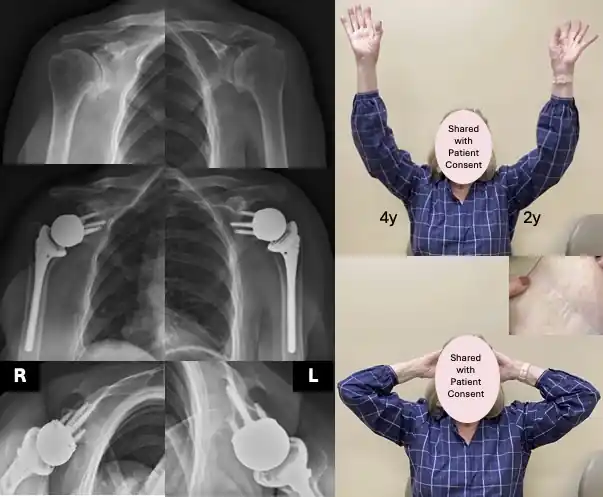
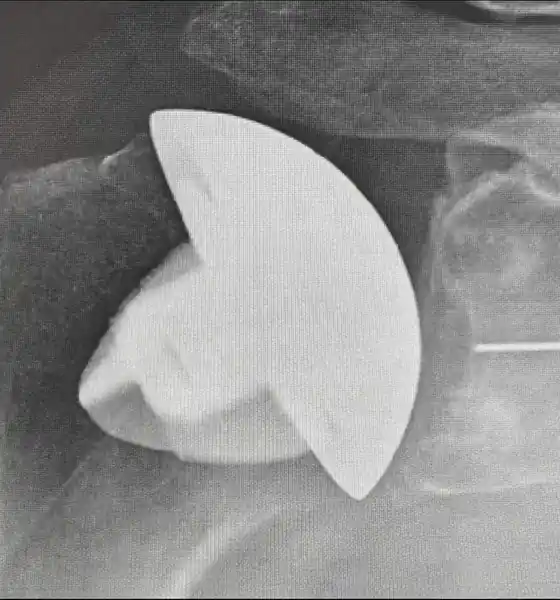
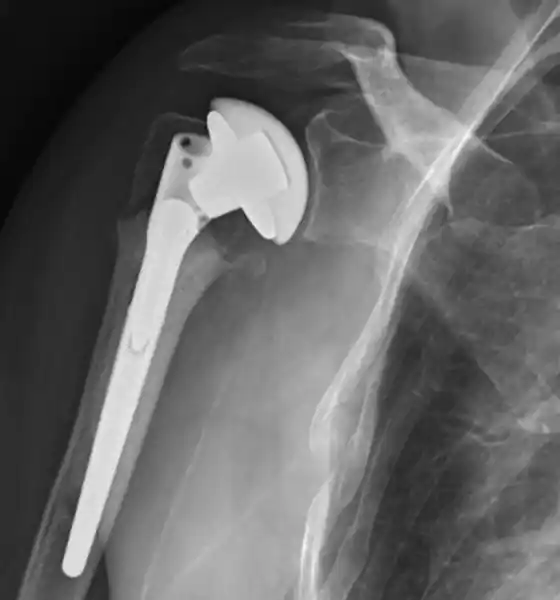
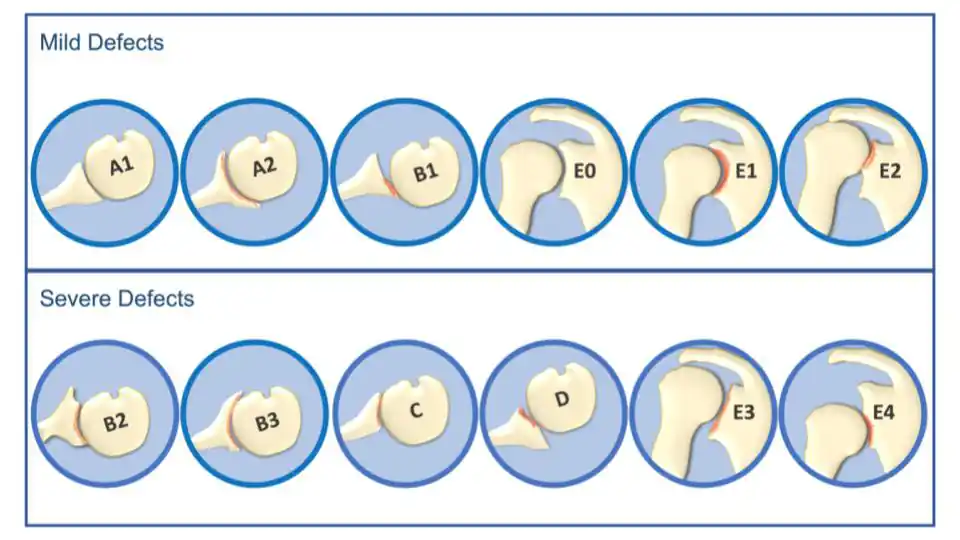
The following images illustrate clinical findings and follow-up results associated with reverse total shoulder arthroplasty.