Expert Care for Posterior Elbow Pain
Posterior Impingement Treatment in Southern Illinois
Pain at the back of your elbow, especially when you fully straighten your arm, can be a frustrating and limiting problem. This sensation, often felt by throwing athletes, gymnasts, or anyone whose activities involve repetitive forceful elbow extension, may be a sign of elbow posterior impingement. This condition occurs when soft tissues or bone get pinched in the back of the elbow joint. Without proper treatment, it can lead to chronic pain, loss of motion, and potential joint damage. Finding an orthopedic elbow specialist is the first step toward an accurate diagnosis and an effective treatment plan.
Dr. Srinath Kamineni is a renowned orthopedic elbow specialist in Olney, IL, with exceptional expertise in diagnosing and treating complex elbow conditions like posterior impingement. As a double fellowship-trained and board-certified surgeon in both the USA and England, Dr. Kamineni offers world-class care. He is dedicated to helping patients overcome elbow pain and return to their highest level of performance, whether in sports or daily life. If you're seeking posterior elbow pain treatment, a consultation with Dr. Kamineni is your best path forward.
Our team makes it easy to schedule an appointment. Contact our office today to get the expert care you need from a leading elbow doctor near you.
Frequently Asked Questions
What is Elbow Posterior Impingement?
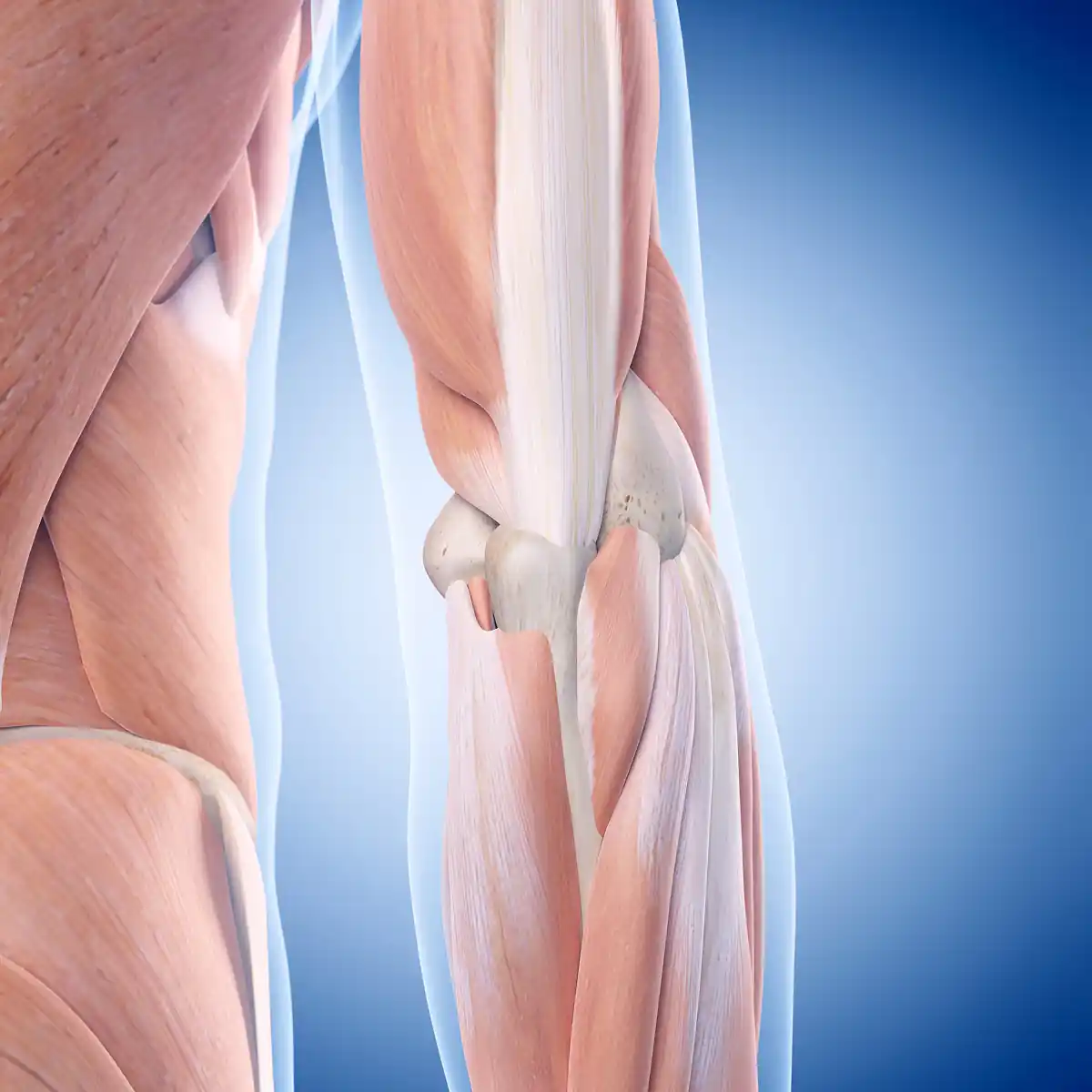
Elbow posterior impingement is a condition where tissues at the back of the elbow are compressed or trapped, causing pain and inflammation. This pinching typically happens during forceful elbow extension, like when a baseball pitcher throws a ball. The impingement can involve the soft tissues, such as the joint capsule, or it can be caused by bony growths called bone spurs (osteophytes) that develop over time from repetitive stress. These bone spurs can break off and become loose bodies within the joint, causing further pain, catching, and locking. The condition is common in athletes but can also affect non-athletes with a history of elbow overuse or trauma.
What Causes This Condition?
The primary cause of posterior impingement is repetitive overuse, particularly activities that involve fully and forcefully straightening the elbow. This repeated motion can cause the olecranon (the bony tip of the elbow) to jam into the olecranon fossa (a groove in the humerus bone), leading to inflammation, cartilage damage, and the formation of bone spurs. Over time, these changes reduce the space in the back of the joint, making impingement more likely. A previous elbow injury, such as a fracture or instability, can also alter the joint's mechanics and contribute to the development of this painful condition.
What are the Symptoms of Posterior Impingement?
The most common symptom of elbow posterior impingement is pain at the very back of the elbow, which is sharpest when the arm is fully extended. You might also experience:
- A dull ache in the elbow after activity.
- Tenderness when you press on the back of the elbow.
- A clicking, popping, or locking sensation in the joint.
- Swelling at the back of the elbow.
- A loss of the ability to fully straighten your arm.
To diagnose the condition, an elbow specialist will perform a physical examination that includes an elbow impingement test. This involves passively extending your elbow while applying pressure, which will reproduce your pain if impingement is present.
How is Posterior Impingement Treated?
Posterior impingement treatment begins with conservative, non-surgical methods. The first step is usually a period of rest from the aggravating activities to allow the inflammation to subside. Physical therapy is also crucial, focusing on strengthening the muscles around the elbow to improve joint stability and mechanics. Anti-inflammatory medications can help manage pain and swelling. In some cases, an injection of a corticosteroid into the joint can provide significant, though often temporary, relief. Dr. Kamineni, a top orthopaedic elbow specialist, will guide you through these conservative options first.
When is Surgery Necessary for Posterior Impingement?
If your symptoms persist despite several months of non-surgical treatment, surgery may be recommended. Surgery is also often the best option if you have mechanical symptoms like locking caused by loose bone fragments, or if you are a high-level athlete needing to return to sport. The surgical procedure is typically performed arthroscopically, using small incisions and a camera to see inside the joint. During the surgery, the surgeon can remove inflamed soft tissue, shave down bone spurs, and extract any loose bodies. This minimally invasive approach is highly effective at relieving pain and restoring motion.
How Can I Schedule an Appointment with an Elbow Specialist in Mount Carmel, IL?
If you are looking for one of the leading orthopaedic doctors in southern Illinois, scheduling a consultation with Dr. Srinath Kamineni is straightforward. Our dedicated team is here to help you find a prompt appointment to address your posterior elbow pain. Dr. Kamineni’s extensive experience and specialized training ensure you will receive an accurate diagnosis and a personalized treatment plan. You can call our office directly to speak with a member of our staff or use our convenient online scheduling system to request a time. Don’t let elbow pain limit your activities any longer. Contact us today to begin your journey to recovery.
What is the recovery time after arthroscopic surgery for posterior impingement?
Recovery from arthroscopic elbow surgery is relatively quick. Most patients can begin gentle range-of-motion exercises within days of the procedure. A structured physical therapy program will help you regain full strength and function. Return to light daily activities is often possible within a couple of weeks, while a return to high-level sports can take three to six months.
Can posterior impingement come back after treatment?
If treated effectively and followed by proper rehabilitation, the prognosis is excellent. However, if an athlete or individual returns to the same high-risk activities without addressing underlying mechanical issues or overuse, there is a possibility that symptoms could recur over time. Following your surgeon’s guidance on activity modification is key.
Is this condition related to arthritis?
Posterior impingement and arthritis can be related. The repetitive stress that causes impingement can also lead to the breakdown of cartilage, which is the hallmark of osteoarthritis. Likewise, pre-existing arthritis can cause bone spurs that lead to impingement. An experienced elbow specialist like Dr. Kamineni can determine the exact cause of your symptoms.