Your Expert for Cubital Tunnel Syndrome Treatment
Cubital Tunnel Decompression Surgery in Southern Illinois
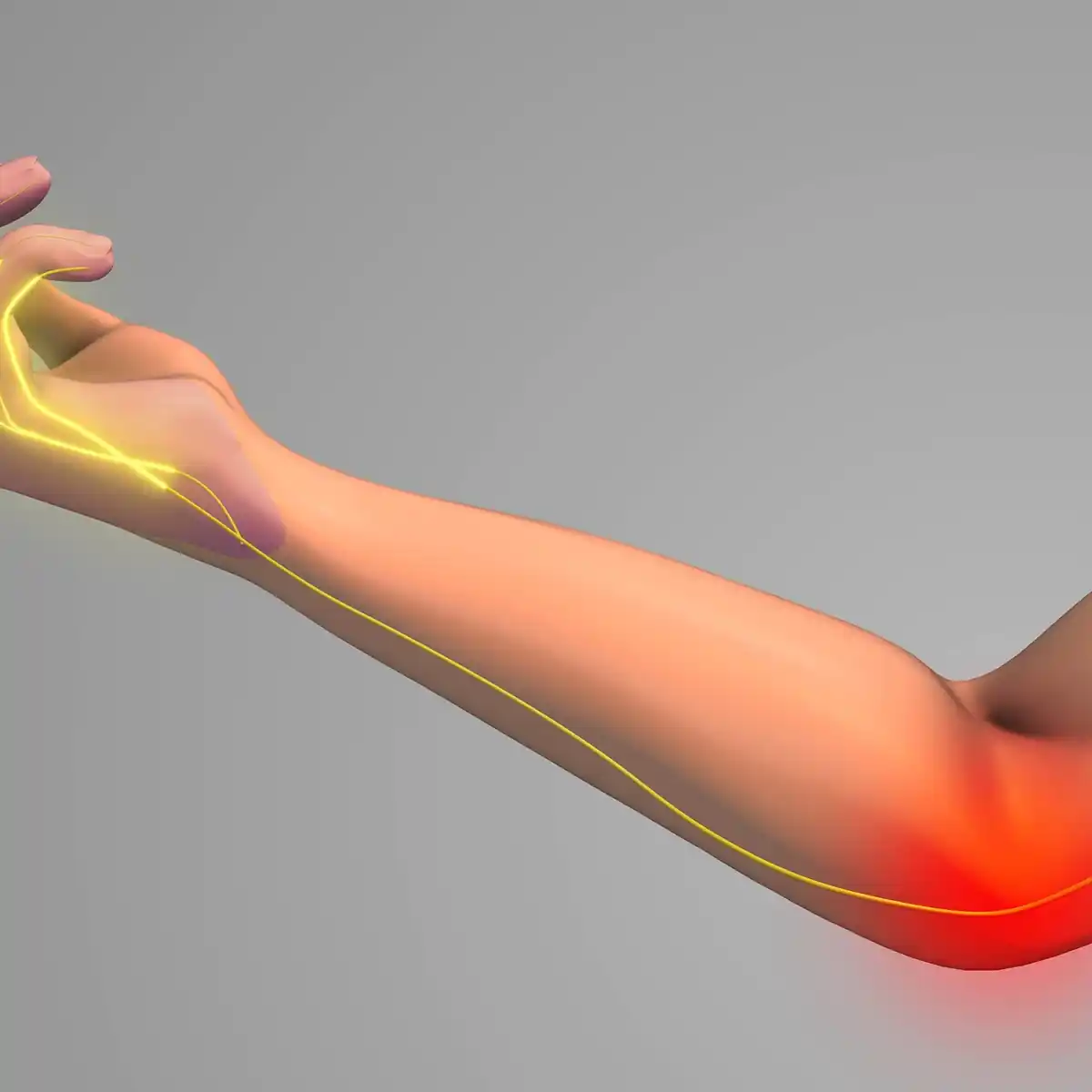
Numbness, tingling, or weakness in your hand and fingers can disrupt your daily life, making even simple tasks feel difficult. If these symptoms, often worse when your elbow is bent, sound familiar, you may be experiencing cubital tunnel syndrome. This condition occurs when the ulnar nerve, which runs along the inside of your elbow, becomes compressed or irritated. While non-surgical treatments can be effective, sometimes surgery is the best path toward lasting relief. Finding the right cubital tunnel syndrome doctor is the most important step in your journey to recovery.
Dr. Srinath Kamineni is a leading orthopedic elbow surgeon in the southern Illinois area, offering specialized care for conditions like cubital tunnel syndrome. As a double fellowship-trained and board-certified surgeon in both the USA and England, Dr. Kamineni brings a world-class level of expertise to his patients. He is committed to using the latest, most effective techniques to provide superior outcomes, helping you return to your life without pain and limitation. If you're seeking a solution for your elbow pain, we invite you to schedule a consultation.
Requesting an appointment with Dr. Kamineni is simple. Our team is ready to help you find a convenient time to discuss your symptoms and explore your treatment options.
Cubital Tunnel Decompression — Surgical Video
The following video demonstrates the cubital tunnel decompression procedure as performed by Dr. Kamineni.
Frequently Asked Questions About Cubital Tunnel Decompression
What is Cubital Tunnel Decompression and How Does it Work?
Cubital tunnel decompression is a surgical procedure designed to relieve pressure on the ulnar nerve at the elbow. The ulnar nerve travels through a narrow space called the cubital tunnel, and when this area becomes constricted, it can lead to pain, numbness, and tingling in the ring and pinky fingers. The goal of the surgery is to create more space for the nerve, allowing it to function properly again. Dr. Kamineni may perform this by simply releasing the tight tissue over the nerve (in-situ decompression) or by moving the nerve to the front of the elbow (ulnar nerve transposition) to prevent it from being stretched or pinched. This highly effective cubital tunnel syndrome treatment provides significant relief for the majority of patients.
What Symptoms Does Cubital Tunnel Decompression Treat?
Cubital tunnel decompression surgery is recommended when non-surgical treatments fail to relieve the symptoms of ulnar nerve compression. This procedure directly addresses the root cause of symptoms such as recurring numbness and tingling in the hand, especially the ring and little fingers. It also helps with weakness in your grip, difficulty with fine motor tasks like buttoning a shirt or typing, and a persistent aching pain on the inside of your elbow. If you find your symptoms are worse at night or when holding your elbow in a bent position for long periods, this surgery could provide the definitive relief you need. As an expert cubital tunnel specialist, Dr. Kamineni can determine if this is the right course of action for you.
What Happens During Cubital Tunnel Surgery?
During a cubital tunnel decompression surgery, you will be comfortably positioned, and anesthesia will be administered. Dr. Kamineni will make a small incision on the inside of your elbow to access the ulnar nerve and the cubital tunnel. He will then carefully release the ligament or tissue that is pressing on the nerve, creating more space for it to move freely. In some cases, he may decide that the best approach is to move the nerve to a new position where it is less likely to be compressed. The procedure is typically performed on an outpatient basis, meaning you can return home the same day. Dr. Kamineni's precision and expertise ensure the procedure is performed efficiently and safely.
Am I a Good Candidate for This Surgery?
The ideal candidate for cubital tunnel decompression surgery is someone who has been diagnosed with moderate to severe cubital tunnel syndrome and has not found adequate relief from conservative treatments like bracing, activity modification, or physical therapy. If your symptoms are persistent, progressively worsening, or include muscle weakness or atrophy in your hand, surgery is often the most effective option to prevent permanent nerve damage. A thorough evaluation with an experienced orthopaedic elbow surgeon like Dr. Kamineni is essential. He will review your medical history, conduct a physical examination, and may order nerve conduction studies to confirm the diagnosis and determine if you are a suitable candidate for the procedure.
What Is Recovery Like After Cubital Tunnel Surgery?
Recovery after cubital tunnel surgery is focused on protecting the nerve while gradually restoring motion and strength. You will likely go home with your arm in a light dressing or splint to keep the elbow comfortable. Dr. Kamineni and his team will provide specific instructions on managing pain, caring for the incision, and when to begin gentle range-of-motion exercises. Many patients experience relief from their numbness and tingling relatively quickly, though it can take several months for the nerve to fully heal. Physical therapy is often a key part of recovery, helping you regain full function of your hand and arm. Most patients who undergo this procedure can return to their daily activities with significantly reduced symptoms.
How Do I Schedule an Appointment with an Elbow Doctor Near Me?
Finding relief starts with a conversation. We make it easy to schedule a consultation with Dr. Srinath Kamineni, the premier cubital tunnel syndrome doctor near you in the southern Illinois area. Our friendly staff is available to help you find an appointment time that works with your schedule. You can also use our convenient online scheduling tool to request a time that suits you best. Don't let elbow pain and numbness hold you back any longer. Take the first step toward recovery by scheduling your appointment today. We look forward to seeing you and helping you on your path to wellness.
Is cubital tunnel decompression covered by insurance?
Most health insurance plans, including Medicare and private insurance, typically cover cubital tunnel decompression surgery when it is deemed medically necessary. Our office will help you verify your insurance benefits and explain any potential out-of-pocket costs before your procedure.
How should I prepare for the procedure?
Before surgery, you may be asked to stop taking certain medications that can increase bleeding risk. You should arrange for transportation to and from the surgical facility, as the procedure is usually done under anesthesia. Dr. Kamineni’s team will provide detailed pre-operative instructions tailored to your needs.
What is the recovery process like, and will I need follow-up visits?
Most patients can return home the same day and will be given guidelines for activity and incision care. Follow-up appointments are scheduled to monitor your healing, remove stitches if necessary, and start rehabilitation. Dr. Kamineni and his team will work closely with you to support your recovery every step of the way.
Are there risks or complications with this surgery?
As with any surgical procedure, cubital tunnel decompression carries risks such as infection, nerve injury, or scar tissue formation. However, Dr. Kamineni’s extensive experience and advanced techniques greatly minimize these risks for his patients.
When can I return to work or normal activities?
Your return to work will depend on your occupation and the extent of your surgery. Many patients with desk jobs may return within a week or two, while those with physically demanding jobs may need more time. Dr. Kamineni will provide a recovery plan tailored to your lifestyle and job demands.