Expert Care for Scapular Dyskinesis and Shoulder Blade Dysfunction
Scapular Dyskinesis Treatment in Mount Carmel and Olney, IL
The shoulder is one of the most complex and demanding joints in the body, and its function depends on far more than the ball-and-socket joint most people picture. The scapula — the shoulder blade — plays a central role in nearly every movement the arm makes, acting as a dynamic platform that positions and stabilizes the shoulder joint throughout its range of motion. When the scapula stops moving the way it should, the consequences ripple through the entire shoulder: rotator cuff tendons are placed under abnormal stress, the joint loses its mechanical advantage, and pain and dysfunction follow. This is scapular dyskinesis, and it is far more common (and consequential) than most patients realize.
Scapular dyskinesis can develop as a result of muscle weakness or imbalance, nerve injury, prior shoulder surgery, labral tears, acromioclavicular joint problems, or habitual posture and movement patterns that have gradually altered how the shoulder blade tracks. In athletes, it is frequently associated with overhead sports such as swimming, tennis, baseball, and volleyball. In non-athletes, it often presents as persistent shoulder pain or fatigue that does not respond to standard treatment because the underlying mechanical problem has never been identified and addressed.
Dr. Srinath Kamineni is a double fellowship-trained shoulder and elbow surgeon, board-certified in the USA and England, with subspecialty expertise in the full spectrum of shoulder pathology, including the complex biomechanical problems that drive conditions like scapular dyskinesis. He is widely published in the orthopedic literature and stays current with the latest research, bringing that knowledge directly to his patients in Mount Carmel and Olney, Illinois. If you have been dealing with shoulder pain, weakness, or a visible abnormality in the way your shoulder blade moves, do not wait. Request an appointment with Dr. Kamineni today.
Understanding the Mechanics Behind Your Shoulder Pain
What Causes Scapular Dyskinesis and How Is It Treated?
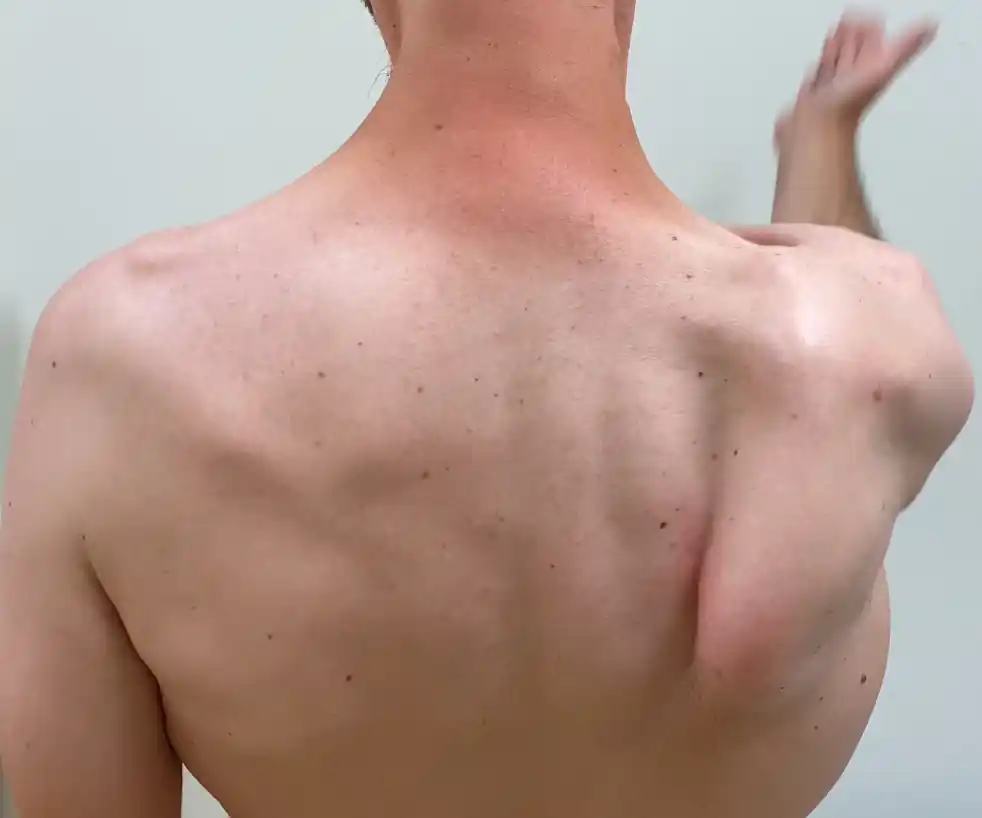
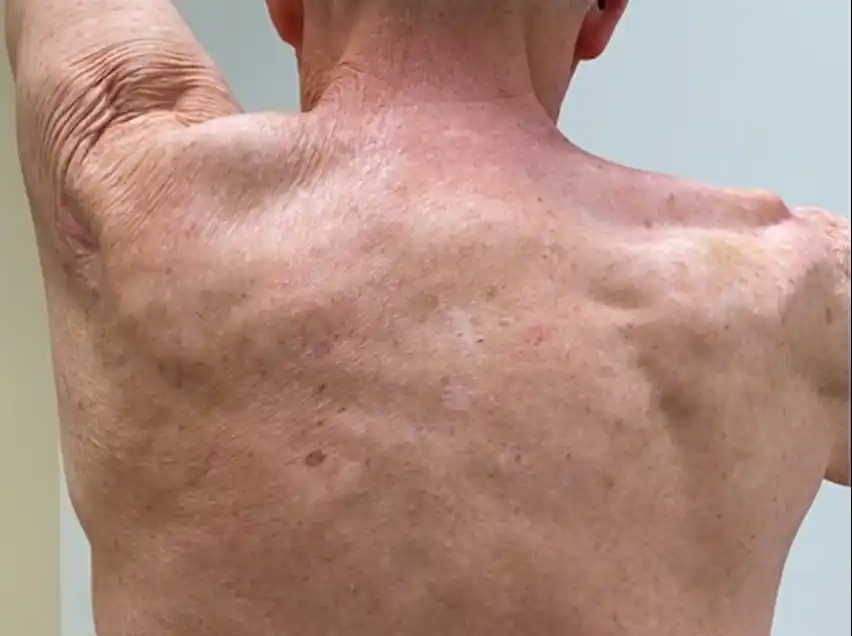
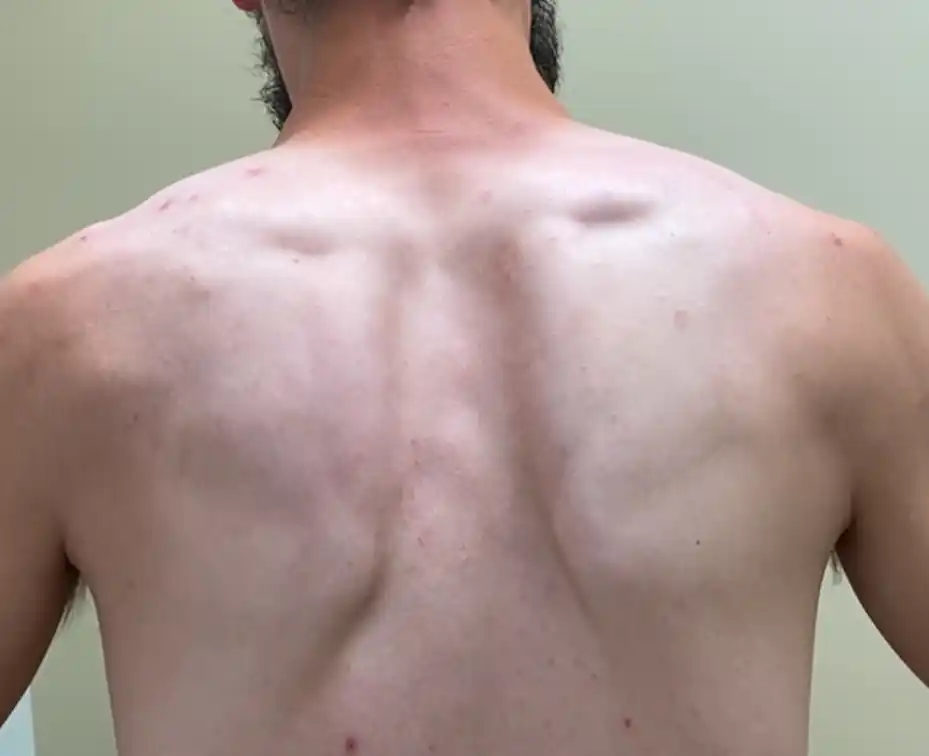
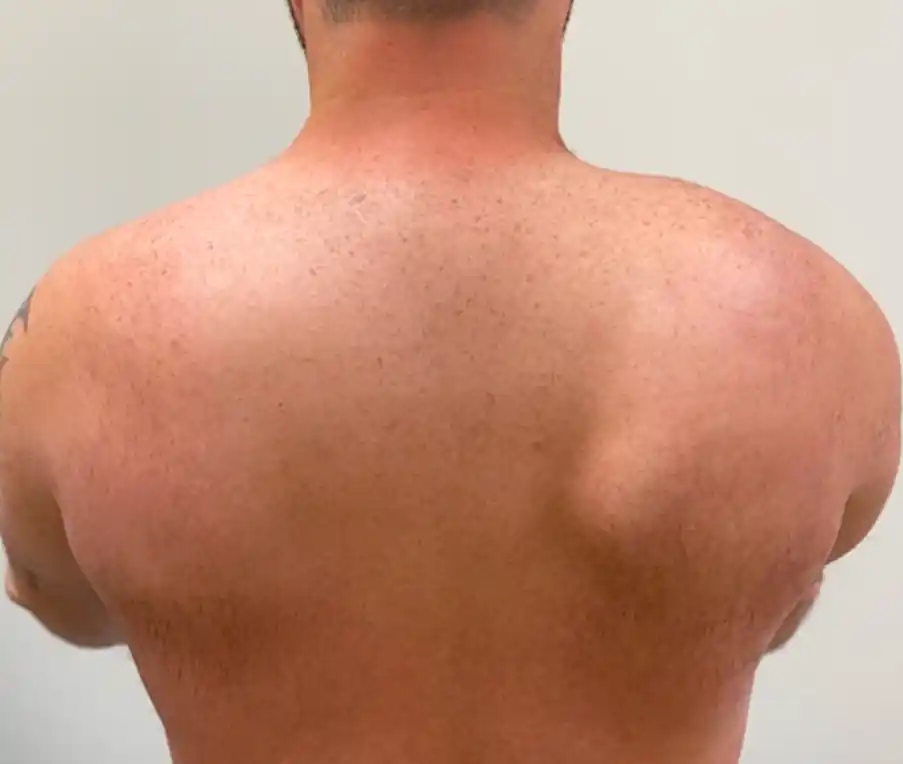
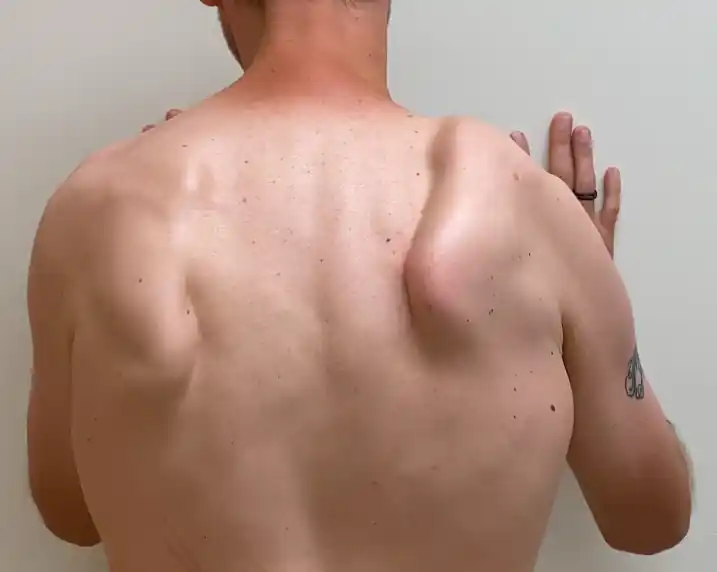
Effective treatment of scapular dyskinesis begins with an accurate diagnosis, which requires more than a standard shoulder examination. Dr. Kamineni evaluates scapular motion carefully during his assessment, looking for the specific patterns of altered movement that indicate where the problem originates. Scapular winging, in which the medial border of the shoulder blade lifts away from the rib cage, is one of the more visible presentations. More subtle forms of dyskinesis — abnormal tilting, rotation, or elevation of the scapula during arm movement — can be just as functionally significant but are easily missed without a trained eye.
Causes of Scapular Dyskinesis
- Muscle Weakness: This is one of the most common causes, particularly in the serratus anterior and lower trapezius muscles. These muscles are key to rotating and stabilizing the scapula when you lift your arm. If they aren't working correctly, the whole shoulder mechanism is affected.
- Nerve Injuries: Issues like long thoracic nerve palsy or spinal accessory nerve injury can lead to more noticeable scapular winging and may need surgical assessment.
- Structural Problems: Problems within the shoulder joint, such as labral tears, rotator cuff issues, or acromioclavicular (AC) joint arthritis, can also cause secondary scapular dyskinesis by changing the normal mechanics of the shoulder.
Treatment Approach
Treatment is tailored to the underlying cause. For the majority of patients, a structured, targeted rehabilitation program focused on restoring muscle strength, neuromuscular control, and movement patterns is the foundation of care. When executed correctly, it produces excellent results. Dr. Kamineni works with experienced physical therapists to design protocols that address the specific deficits identified during evaluation, rather than generic shoulder exercises that fail to target the actual problem.
When conservative treatment is insufficient or when a structural problem — such as a labral tear, nerve injury, or acromioclavicular joint issue — is identified as the primary driver, surgical intervention may be appropriate. Dr. Kamineni will discuss all relevant options clearly, including the expected outcomes and recovery for each, so that you can make an informed decision about your care. His approach is never to operate when rehabilitation will suffice, and never to delay surgery when it is genuinely what the patient needs.
Frequently Asked Questions
What is the difference between scapular dyskinesis and a winged scapula?
Scapular winging — in which the inner edge of the shoulder blade protrudes visibly from the back — is one specific presentation of scapular dyskinesis, typically caused by weakness or paralysis of the serratus anterior muscle, often from long thoracic nerve injury. Scapular dyskinesis is the broader term for any abnormal movement or positioning of the shoulder blade, including more subtle patterns of altered motion that may not be visible to the naked eye but still significantly impair shoulder function. Both conditions are evaluated and treated by Dr. Kamineni.
Can scapular dyskinesis be treated without surgery?
In most cases, yes. The majority of patients with scapular dyskinesis respond well to a focused rehabilitation program that addresses the specific muscle weaknesses and movement pattern abnormalities driving their symptoms. However, when dyskinesis is caused or perpetuated by an underlying structural problem such as a labral tear, rotator cuff injury, or nerve damage, surgery to address that underlying issue may be necessary before rehabilitation can be fully effective. Dr. Kamineni will conduct a thorough evaluation to determine what is driving your symptoms and recommend the most appropriate treatment path.
How long does it take to recover from scapular dyskinesis treatment?
For patients managed with rehabilitation, meaningful improvement is often seen within eight to twelve weeks of consistent, targeted therapy, though full resolution of symptoms may take longer depending on the severity of the underlying dysfunction and how long it has been present. Surgical cases — when surgery is required to address an underlying structural problem — will have a recovery timeline specific to the procedure performed. Dr. Kamineni will give you a realistic picture of what to expect based on your individual situation.
How do I find a scapular dyskinesis specialist near me?
Dr. Kamineni sees patients at his offices in Mount Carmel and Olney, Illinois, and offers convenient online requests through our website. As a double fellowship-trained shoulder specialist, he brings a depth of expertise to southern Illinois that most patients would otherwise need to travel far outside the region to access. If you have been struggling with shoulder pain or dysfunction and have not found answers elsewhere, we are ready to help. We look forward to seeing you.