Understanding the Partial Rotator Cuff Tear
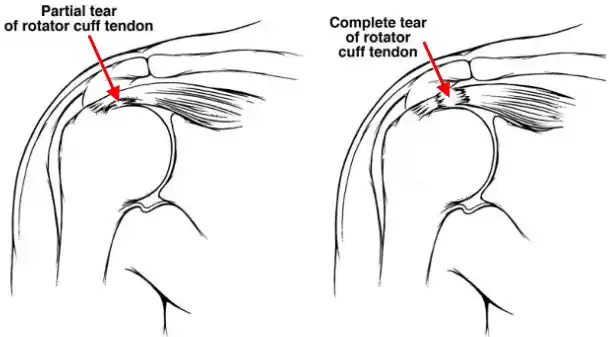
A partial rotator cuff tear is a common shoulder injury where one of the rotator cuff tendons is damaged but not completely torn through. In this type of injury, also called a partial-thickness tear, some of the tendon's fibers are frayed or torn, but a portion remains intact and attached to the bone. This differs from a complete tear, where the tendon is fully severed. Partial rotator cuff tears are a frequent source of shoulder pain and weakness, particularly in adults over 40.
Rotator cuff injuries are one of the most common reasons people visit a doctor for shoulder problems. While a partial tear may sound less severe than a complete one, it can still cause significant pain and interfere with daily activities. You might find it difficult to lift your arm, reach for something on a high shelf, or even sleep comfortably.
This article will help you understand what a partial rotator cuff tear is, why it happens, the symptoms to look for, and how it is diagnosed. We will also discuss the potential long-term effects if it goes unaddressed and simple steps you can take to keep your shoulders healthy.

The Shoulder and the Rotator Cuff
To understand a partial tear, it’s helpful to know about the shoulder's anatomy. The shoulder is a ball-and-socket joint made of three bones: the upper arm bone (humerus), the shoulder blade (scapula), and the collarbone (clavicle). The head of the humerus (the "ball") fits into a shallow socket in the shoulder blade. This shallow design gives the shoulder an incredible range of motion but also makes it less stable, relying on surrounding soft tissues for support.
The rotator cuff is a group of four muscles and their tendons that surround the shoulder joint. These muscles work together to hold the ball of the humerus securely in its socket while enabling you to lift and rotate your arm. The four rotator cuff muscles are:
- Supraspinatus: Located on top of the shoulder, this muscle helps lift your arm out to the side. Its tendon is the most frequently torn.
- Infraspinatus: Found on the back of the shoulder blade, this muscle helps rotate your arm outward.
- Teres Minor: A smaller muscle below the infraspinatus that also assists in outward rotation.
- Subscapularis: Positioned at the front of the shoulder blade, this is the largest rotator cuff muscle and helps rotate your arm inward.
These tendons form a "cuff" that covers the head of the humerus. When the rotator cuff muscles contract, their tendons pull on the arm bone to move it. Nearby, a fluid-filled sac called a bursa acts as a cushion, allowing the tendons to glide smoothly. If the rotator cuff is injured, the bursa can also become inflamed, adding to the pain.
In a partial rotator cuff tear, this tendon structure is compromised. Imagine the tendon as a rope. A partial tear is like some of the rope's fibers have frayed or snapped, but the rope itself is not broken in two. The tendon may become thinner or have a split, but it remains connected to the bone. Because of this, your shoulder might still function, but often with pain and reduced strength.
How Do Partial Rotator Cuff Tears Happen?
Partial rotator cuff tears can develop from a sudden injury or, more commonly, from gradual wear and tear over time. Often, it's a combination of factors.
Degenerative Wear and Tear
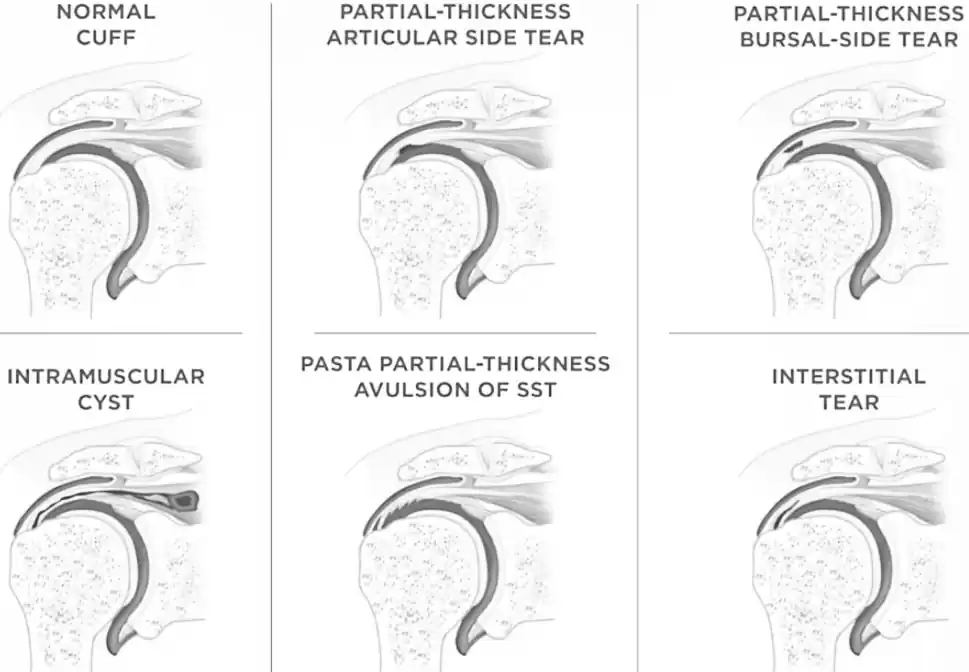
Most partial tears are the result of a slow, degenerative process. As we age, the tendons in our rotator cuff naturally undergo changes. The collagen fibers can begin to fray, and the blood supply to the tendons decreases, which slows down the body's ability to repair minor damage. Over years of use, this accumulated wear can lead to a partial tear. This process, often called tendinosis, can begin without any specific injury and may be painless in its early stages. Many people are unaware that their tendon is weakening until it starts to cause symptoms.
Repetitive Overuse
Repetitive motions, especially those involving overhead arm movements, can accelerate wear and tear. Jobs that require frequent reaching, lifting, or working with arms above the head, such as painting, carpentry, or electrical work, put constant strain on the rotator cuff. Athletes who perform repetitive overhead motions, like baseball pitchers, tennis players, and swimmers, are also at high risk. The cumulative effect of this microtrauma can lead to a partial tear over time. In younger athletes, this type of overuse is a common cause of partial tears.
Acute Injuries
While less common than degenerative causes, a partial tear can happen suddenly. A fall on an outstretched arm, lifting an object that is too heavy, or a sudden, forceful movement of the shoulder can cause the tendon fibers to tear. These traumatic tears are often immediately painful and may be accompanied by a popping sensation. While major injuries can cause complete tears, they can also result in partial tears, especially if the tendon was already weakened.
Shoulder Impingement and Bone Spurs
Shoulder impingement occurs when the rotator cuff tendons are pinched in the narrow space between the arm bone and the top of the shoulder blade (acromion). Over time, bony growths called bone spurs can form on the underside of the acromion. These spurs can rub against the tendon like a rough edge, gradually causing it to fray and tear. This is a common cause of partial tears on the upper surface of the tendon. While impingement can be a factor, many experts now believe that age-related tendon degeneration is often the primary underlying cause.
Risk Factors for Partial Tears
Certain factors can increase your likelihood of developing a partial rotator cuff tear. These risks either weaken the tendons or place extra stress on them.
- Age: Being over 40 is the most significant risk factor. The natural aging process leads to tendon degeneration, making tears more common with each decade.
- Repetitive Overhead Activities: Jobs and sports that involve frequent overhead motions place you at a higher risk due to chronic strain.
- History of Shoulder Injury: Previous injuries, such as shoulder dislocations or bouts of tendinitis, can weaken the tendon and make it more susceptible to tearing.
- Family History: There is evidence that a genetic predisposition to weaker tendons can run in families, increasing your risk if close relatives have had rotator cuff problems.
- Poor Posture: Slouching or rounding your shoulders can narrow the space available for the rotator cuff tendons, leading to impingement and wear over time.
- Smoking: Nicotine impairs blood flow to the tendons, hindering their ability to repair themselves from daily micro-damage. This can accelerate the degenerative process.
- Certain Medical Conditions: Conditions like diabetes, high blood pressure, and high cholesterol have been linked to poorer tendon health. Inflammatory diseases such as rheumatoid arthritis can also weaken tissues.
Signs and Symptoms of a Partial Tear
The symptoms of a partial rotator cuff tear can vary widely, from mild discomfort to severe pain and weakness. It's even possible to have a tear with no symptoms at all. When symptoms do appear, they often include:

- Shoulder Pain: This is the most common symptom. It's often a dull, aching pain deep in the shoulder that can radiate down the upper arm. The pain typically worsens with activity, especially when lifting the arm overhead or away from the body.
- Night Pain: Many people experience pain at night, particularly when lying on the affected shoulder. This can disrupt sleep and is a frequent reason people seek medical help.
- Weakness in the Arm: You may notice difficulty lifting your arm, reaching behind your back, or carrying objects. The weakness can be subtle, manifesting as fatigue or a feeling that the arm is just not as strong as it used to be.
- Painful Arc of Motion: Pain is often most intense when raising the arm out to the side between 60 and 120 degrees. The pain may ease as you move the arm past this range.
- Clicking or Popping: You might feel or hear a clicking, popping, or grinding sensation (crepitus) when you move your shoulder. This can occur as the damaged tendon moves abnormally.
- Shoulder Stiffness: To avoid pain, you might subconsciously limit your shoulder's movement, which can lead to stiffness and a reduced range of motion over time.
If the tear is from a sudden injury, you may recall a specific moment when you felt a sharp pain or a pop in your shoulder, followed by immediate weakness.
How Doctors Diagnose a Partial Tear
If you have persistent shoulder pain, a doctor can perform an evaluation to determine the cause. The diagnostic process usually includes a medical history, a physical exam, and imaging tests.
Medical History
Your doctor will ask detailed questions about your symptoms: when the pain started, what activities make it worse, and whether there was a specific injury. They will also inquire about your job, hobbies, and any previous shoulder problems to identify potential risk factors.
Physical Examination
The doctor will examine your shoulder, looking for signs of muscle wasting, tenderness, or swelling. They will assess your range of motion by asking you to move your arm in various directions. Strength tests will be performed by having you push against resistance in specific positions. These targeted tests help the doctor pinpoint which rotator cuff tendon may be injured. Special tests for impingement may also be conducted to see if the tendon is being pinched.
Imaging Tests
If a rotator cuff tear is suspected, imaging tests are used to confirm the diagnosis and assess the extent of the damage.
- X-rays: An X-ray is often the first imaging test performed. While it cannot show the tendons, it can reveal other problems like bone spurs, arthritis, or fractures that could be causing your pain. With partial tears, X-rays are often normal.
- Magnetic Resonance Imaging (MRI): An MRI is the best tool for visualizing soft tissues like tendons. It can show whether a tear is present, if it is partial or complete, and how much of the tendon is affected. It can also reveal the condition of the muscle and identify other issues like bursitis.
- Ultrasound: Musculoskeletal ultrasound is another effective way to view the rotator cuff tendons. It has the advantage of being a dynamic test, allowing the doctor to see the tendon move in real-time. The accuracy of an ultrasound, however, depends heavily on the skill of the person performing it.
What Happens if a Partial Tear Is Left Untreated?
The natural course of a partial rotator cuff tear varies. Torn tendon fibers do not typically heal and regrow on their own. However, many people find that their symptoms improve with time, rest, and strengthening exercises, even though the tear itself remains.
With proper management, the majority of people with partial tears can achieve significant pain relief and improved function without surgery. The inflammation can subside, and the surrounding muscles can be strengthened to compensate for the tear.
However, if a symptomatic tear is ignored, several complications can arise:
- Progression of the Tear: A partial tear can enlarge over time, especially if you continue activities that stress the shoulder. A small tear can become larger, or a partial tear can progress to a complete tear.
- Chronic Pain and Loss of Function: An untreated, painful tear can become a source of chronic pain, limiting your ability to work, sleep, and enjoy hobbies. You may experience a gradual loss of strength and motion.
- Muscle Atrophy: If a partial tear progresses to a complete tear and is left for a long time, the muscle attached to the tendon can begin to shrink and weaken from disuse. This makes any future repair more challenging.
- Difficulty with Future Repair: If a tear becomes larger and more chronic, the tendon tissue can deteriorate and retract, making a surgical repair more difficult and potentially less successful.
The good news is that most partial tears can be managed effectively. The goal is to reduce pain and restore function, and this is often achievable through non-invasive means.
Preventing Rotator Cuff Injuries
While not all tears are preventable, you can take steps to protect your shoulders and reduce your risk:
- Strengthen Your Shoulders: Regular exercises to strengthen the rotator cuff muscles and the muscles around your shoulder blades can provide better support for the joint.
- Maintain Flexibility: Gentle stretching can help maintain your shoulder's range of motion and prevent stiffness.
- Use Good Posture: Sit and stand straight with your shoulders back to maintain proper joint alignment and reduce impingement risk.
- Avoid Repetitive Strain: Take frequent breaks during overhead activities and listen to your body. Pain is a signal to rest.
- Warm Up Properly: Before any strenuous activity, warm up your shoulder muscles with gentle movements to make them more pliable and less prone to injury.
- Listen to Your Body: Don't push through shoulder pain. Addressing minor tendon irritation early can prevent it from turning into a more serious tear.
Conclusion
A partial rotator cuff tear is a common condition that can cause significant shoulder pain and weakness. It often results from gradual wear and tear, repetitive overuse, or a sudden injury. While the tendon itself does not heal, the majority of people find that their symptoms improve with proper management, often without the need for surgery.
An accurate diagnosis from a healthcare professional is crucial for guiding the right course of action. Ignoring a symptomatic tear can lead to it worsening over time. By taking preventive measures, strengthening your shoulders, and listening to your body, you can reduce your risk of injury and maintain shoulder health for years to come. If you are experiencing persistent shoulder pain, consulting an orthopedic specialist can provide you with a clear diagnosis and a plan to get you back to your daily activities.
Frequently Asked Questions
Will a partial rotator cuff tear heal on its own?
Torn tendon fibers do not typically heal or regrow on their own due to their limited blood supply. However, many people's symptoms of pain and weakness can improve or resolve completely with rest, therapy, and activity modification, even though the tear itself is still present.
Can I still exercise with a partial rotator cuff tear?
Yes, but it's important to do so carefully. A physical therapist can guide you on specific strengthening and flexibility exercises that support the shoulder without aggravating the tear. You should avoid movements that cause pain, especially heavy lifting or strenuous overhead activities.
How do I know if I have a partial tear or just tendinitis?
Tendinitis is inflammation of the tendon, while a tear is a physical rip in the tendon fibers. Both can cause pain, but tears are more likely to cause weakness. An MRI or ultrasound is needed to definitively distinguish between the two and determine the extent of any damage.
Is surgery always necessary for a partial tear?
No, surgery is not always necessary. In fact, the majority of partial rotator cuff tears are managed successfully without surgery. Non-surgical approaches are typically tried first, with surgery being reserved for cases where pain and weakness persist despite other treatments, or if the tear is very large (often over 50% of the tendon's thickness).
What activities should I avoid with a partial tear?
You should avoid activities that cause pain or put significant stress on your shoulder. This often includes heavy lifting, repetitive overhead motions (like painting a ceiling or throwing a ball), and exercises that place the shoulder in an extreme position.
How long does it take to recover from a partial rotator cuff tear?
Recovery time varies greatly. With non-surgical management, it can take several months, sometimes up to a year, for symptoms to improve significantly. The key is patience and consistent adherence to the recommended plan from your healthcare provider.
Why does my shoulder hurt more at night?
Night pain is a common symptom of rotator cuff problems. When you lie down, gravity is no longer helping to pull your arm down, which can slightly reduce the space in the shoulder joint and put more pressure on the inflamed tendon. Lying directly on the affected shoulder can also compress the area and increase pain.