Understanding Scapula Fractures (Broken Shoulder Blade)
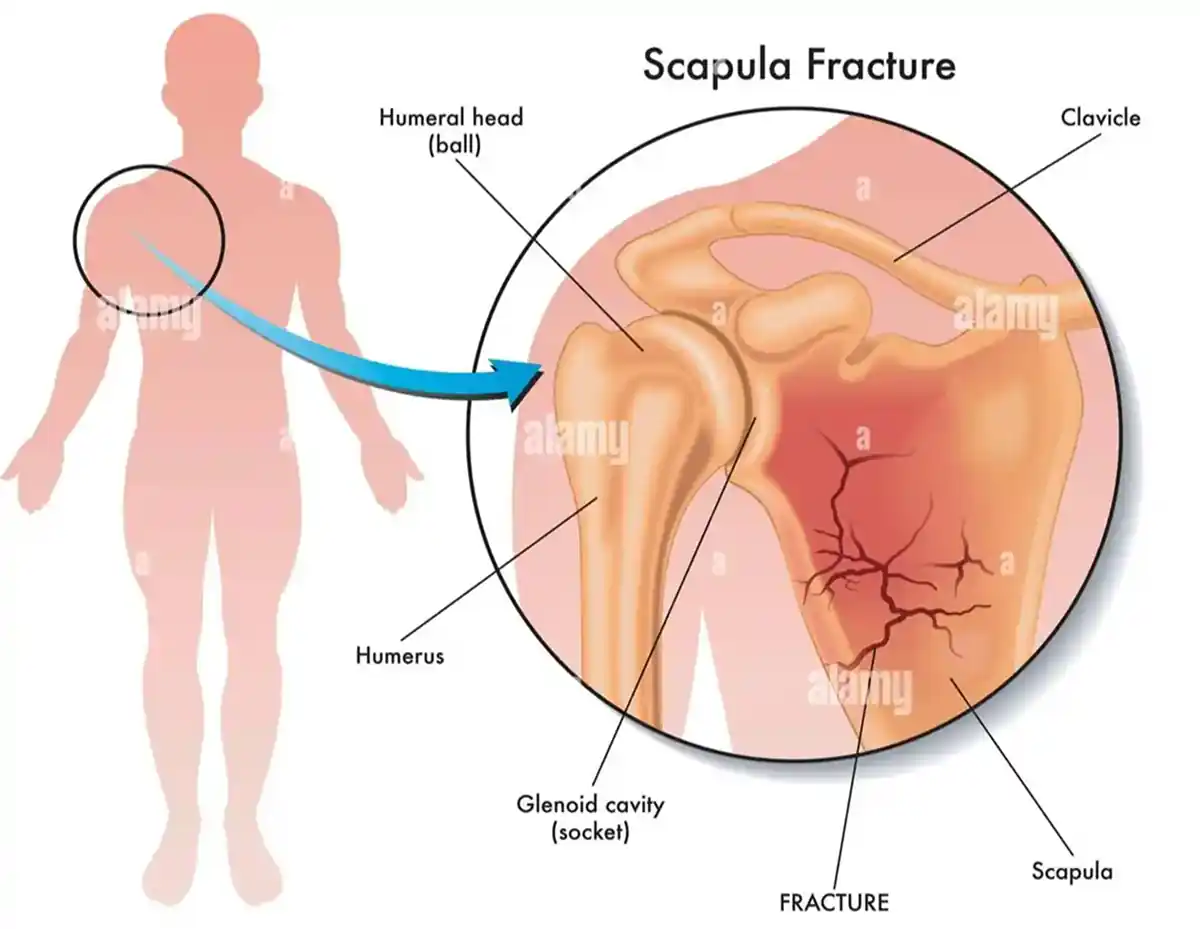
A scapula fracture, or a broken shoulder blade, is a rare and often serious injury. The scapula is the large, flat, triangular bone located at the back of your shoulder. It serves as a crucial connection point, linking the upper arm bone (humerus) and the collarbone (clavicle) to the rest of the body. The socket for the shoulder joint, known as the glenoid, is part of the scapula. Because this bone is well-protected by a thick layer of surrounding muscles in the upper back and shoulder, it takes a tremendous amount of force to break it. For this reason, scapula fractures are very uncommon, making up less than 1% of all broken bones.
When a scapula fracture does occur, it is often a red flag for doctors, indicating that the person has experienced a significant, high-energy trauma. Understanding this injury involves looking at its unique causes, the symptoms it produces, and the typical path to recovery. This comprehensive overview provides a high-level, patient-friendly guide to broken shoulder blades.
What Causes a Broken Shoulder Blade?
Breaking a shoulder blade is not easy. Unlike a fall that might break a wrist or collarbone, fracturing the scapula almost always involves a high-energy, blunt force trauma. The protection from the surrounding chest wall and muscles means that only severe impacts can cause a break.
Common Causes:
- High-Speed Motor Vehicle Collisions: This is the most frequent cause. Car, truck, or motorcycle accidents can generate enough force to fracture the scapula. The impact of the body being thrown against a seat, dashboard, or steering wheel can be immense.
- Falls from a Significant Height: Falling from a ladder, roof, or during activities like rock climbing can lead to a direct and powerful blow to the back or shoulder, causing the scapula to break.
- Direct, Heavy Blows: A direct impact from a heavy object, such as in an industrial accident or a severe collision in a high-impact sport like football or rugby, could potentially fracture the scapula, although this is less common.

Normal scapula

Classification of scapular fractures
Associated Injuries are Common:
A critical point about scapula fractures is that they rarely happen in isolation. The level of force needed to break the shoulder blade is so high that it frequently causes other injuries at the same time. In fact, it is estimated that 80% to 95% of patients with a scapula fracture have additional, often more severe, injuries. These can include:
- Fractures of the ribs or collarbone
- Lung injuries, such as a bruised lung (pulmonary contusion) or a collapsed lung (pneumothorax)
- Head injuries
- Spinal injuries
- Injuries to major blood vessels
Because of this high association with other serious injuries, a scapula fracture often alerts the trauma team to look carefully for other damage throughout the body. In an emergency setting, life-threatening injuries to the head, chest, or spine are addressed first, and the scapula fracture, while painful, is often managed after the patient is stabilized.
The scapula itself is a complex bone with several distinct parts, and fractures can occur in different locations. The most common site is the scapular body, the large, flat central portion of the bone. Other areas that can break include the scapular neck (the area just next to the shoulder socket), the glenoid (the socket itself), the acromion (the bony point at the top of the shoulder), and the coracoid (a hook-like projection at the front). A fracture that involves the glenoid joint surface is often more complex because it can affect the smooth function of the shoulder joint.
Recognizing the Symptoms of a Scapula Fracture
A broken shoulder blade is extremely painful. However, unlike a broken collarbone, there might not be an obvious deformity because the bone is covered by thick muscle. The symptoms are often dominated by intense pain and an inability to move the arm.
Key signs and symptoms include:
- Severe Pain in the Back of the Shoulder or Upper Back: This is an immediate and intense pain that is made much worse by any attempt to move the arm. Patients will instinctively hold their arm close to their side to prevent any movement.
- Swelling and Bruising: The area over the shoulder blade will become swollen. Significant bruising may appear on the back of the shoulder, and you might also have scrapes or cuts from the traumatic event itself.
- Inability to Move the Arm: Lifting the arm, especially overhead, will be nearly impossible due to the severe pain. The scapula plays a key role in shoulder movement, so when it is broken, the entire shoulder mechanism is compromised.
- Tenderness to Touch: The area over the shoulder blade will be very tender if pressed. Some people also report pain when taking a deep breath, as this can cause slight movements of the rib cage and attached muscles.
Because other injuries are so common, a person with a scapula fracture might also have symptoms related to those issues, such as shortness of breath from a lung injury or chest pain from broken ribs. When it comes to the shoulder itself, however, the hallmark signs are severe pain and profound weakness or inability to move the arm.
How is a Broken Shoulder Blade Diagnosed?
Given the traumatic nature of the injury, a scapula fracture is almost always diagnosed in an emergency room or trauma center. The diagnostic process involves a physical exam and medical imaging.
Physical Examination:
A doctor will examine your shoulder, back, and arm. They will look for swelling, bruising, and any signs of deformity. A key part of the exam is assessing for other associated injuries. The doctor will carefully check your chest, spine, and head. They will also perform a thorough neurovascular assessment of your arm, which includes:
- Nerve Function: Checking your ability to feel touch and move your hand and fingers to ensure the nerves running to your arm (the brachial plexus) were not damaged in the trauma.
- Blood Flow: Checking the pulse at your wrist and the color and temperature of your hand to make sure blood circulation to the arm is intact.
Imaging:
- X-rays: X-rays are the initial imaging test used to confirm a fracture. While X-rays can often show a break in the scapular body or neck, the scapula’s complex shape and position against the chest can sometimes make it difficult to see the fracture details clearly.
- CT (Computed Tomography) Scan: For this reason, a CT scan is very often used to evaluate a scapula fracture. A CT scan creates detailed, 3D images of the bone, allowing the doctor to see the exact location and pattern of the break. This is especially important if the fracture involves the glenoid (the shoulder socket), as even small displacements in the joint surface can have long-term consequences for shoulder function. The CT scan is essential for determining the severity of the fracture and planning the best course of action.
- Additional Imaging: CT scans of the chest and other body parts are also common to identify any associated injuries like rib fractures or internal organ damage.

The General Healing Process for a Scapula Fracture
The good news is that the vast majority of scapula fractures heal very well without the need for surgery. The same muscles that make the scapula hard to break also play a positive role in its healing. They hold the bone fragments in a relatively stable position, creating an environment that is conducive to healing.
The typical approach for an uncomplicated scapula fracture is non-surgical. This involves:
- Immobilization: Your arm will be placed in a sling or a shoulder immobilizer. The sling supports the weight of the arm, which takes the stress off the broken scapula and helps relieve pain.
- Pain Management: Pain medication will be used to manage the intense pain, especially in the first week or two. Applying ice to the shoulder area can also help reduce pain and swelling.
- Early Motion: Unlike some other fractures that require strict immobilization, with a scapula fracture, early gentle motion is often encouraged. As soon as the initial severe pain begins to subside (often within a week), your doctor will likely instruct you to start gentle range-of-motion exercises, such as pendulum swings of the arm. This is a crucial step because the shoulder joint is prone to stiffness. Keeping the shoulder completely still for too long can lead to a "frozen shoulder," a painful condition that severely limits movement. Guided, early motion helps prevent this.
The sling is worn mainly for comfort and support. As your pain improves and you regain some movement, you will rely on it less and less.
In rare cases, surgery may be considered. Surgical intervention is typically reserved for a small percentage of scapula fractures where the break is particularly severe. This might include:
- Fractures of the glenoid (socket) where the pieces are significantly displaced, creating an uneven joint surface.
- Fractures of the scapular neck where there is severe angulation, which could alter the mechanics of the shoulder joint.
- Fractures of the acromion that are displaced downward and block the movement of the arm (impingement).
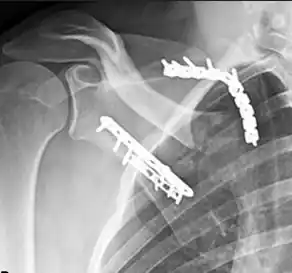
If surgery is performed, it involves realigning the bone fragments and securing them with plates and screws. However, again, it is important to emphasize that most scapula fractures do not require an operation.
Recovery, Outlook, and Potential Complications
Patients with scapula fractures that are treated non-surgically generally have an excellent prognosis. The bone itself usually heals within 3 to 4 months. Because early motion is encouraged, functional recovery can begin even while the bone is mending.
Most people can return to light daily activities within 6 to 8 weeks as pain allows. By 3 to 4 months, the fracture is typically well-healed on X-rays. Physical therapy plays a vital role in recovery, focusing on restoring full range of motion, rebuilding muscle strength, and ensuring the shoulder blade moves correctly along the rib cage. Full recovery, especially after a major trauma with multiple injuries, can take 6 months or more, but most people regain excellent shoulder function.
Potential Complications:
Significant complications from scapula fractures are uncommon, especially when managed appropriately.
- Nonunion or Malunion: Failure of the bone to heal (nonunion) is rare due to the scapula's rich blood supply. Healing in an improper position (malunion) can occur, but because of the shoulder's ability to compensate, minor malunions often do not cause functional problems.
- Shoulder Stiffness: This is the most common potential issue, but it can be prevented or managed with diligent adherence to a physical therapy program that starts with early, gentle motion.
- Post-Traumatic Arthritis: If the fracture involved the glenoid socket and the joint surface was damaged, there is a risk of developing arthritis in the shoulder joint years later. This is one of the main reasons why significantly displaced glenoid fractures may be considered for surgery—to restore a smooth joint surface and reduce this long-term risk.
Overall, the outlook for an isolated scapula fracture is very positive. The extensive muscle coverage not only protects the bone from injury but also provides a great blood supply that promotes reliable healing. With proper care and rehabilitation, most people can expect to return to their normal activities with full or nearly full shoulder function.
Frequently Asked Questions
Why is a scapula fracture considered so serious?
The scapula fracture itself is a significant injury, but its seriousness often comes from the high likelihood of associated injuries. The force required to break the shoulder blade is so great that it frequently damages other parts of the body, such as the lungs, ribs, head, or spine. The presence of a scapula fracture immediately signals to doctors that they need to check for other life-threatening conditions.
Will I need surgery for my broken shoulder blade?
Probably not. The vast majority of scapula fractures—well over 90%—are treated successfully without surgery. The strong muscles surrounding the bone usually hold the fragments in a good position for healing. Surgery is typically reserved only for a small number of very severe cases, such as fractures with significant displacement of the shoulder socket.
How long does it take to recover from a scapula fracture?
The bone itself typically takes about 3 to 4 months to heal solidly. However, functional recovery takes longer. You may be able to resume light daily activities within 6 to 8 weeks. A full return to all activities, including sports or heavy labor, can take 6 months or more, depending on the severity of the injury and any associated injuries. Physical therapy is essential for regaining strength and motion.
Will I have to be in a cast?
No, casts are not used for scapula fractures. Treatment involves wearing a sling to support the arm and reduce pain. The focus is on comfort and early, gentle movement rather than rigid immobilization.
What is the biggest risk during recovery?
The most common challenge during recovery is developing a stiff shoulder (also known as "frozen shoulder" or adhesive capsulitis). This is why your doctor will likely recommend starting gentle range-of-motion exercises very early in the healing process, as soon as your pain allows. Following your physical therapy plan is the best way to prevent long-term stiffness.
Can I go back to sports after a scapula fracture?
Yes, most people are able to return to their previous level of activity, including sports. However, it requires patience. You will need to wait until the bone is fully healed and you have completed a rehabilitation program to restore your shoulder's strength, stability, and range of motion. Your doctor and physical therapist will guide you on when it is safe to return to sports.
Will I have long-term problems from this injury?
For most patients, the long-term outlook is excellent. Complications like non-healing of the bone are rare. Some people may experience mild residual stiffness or discomfort, but most regain normal or near-normal shoulder function. The outcome is often more dependent on the recovery from any associated injuries than from the scapula fracture itself.