Understanding Shoulder Post-Traumatic Arthritis
An old shoulder injury—a bad fall, a sports collision, a car accident—can feel like a distant memory. But what happens when, years later, that same shoulder starts to ache, grind, and lose its easy range of motion? This delayed-onset pain and stiffness could be a sign of post-traumatic arthritis, a form of joint disease triggered by a past injury.
This comprehensive guide is designed to help you understand post-traumatic arthritis of the shoulder. We will explore what it is, why a past injury can lead to long-term joint problems, the common signs and symptoms, and how doctors diagnose the condition. The goal is to provide clear, high-level information for anyone who has experienced a shoulder injury and is now dealing with chronic pain or stiffness. Please note that this article focuses on explaining the condition and does not cover specific treatment options, which should always be discussed with a healthcare professional.
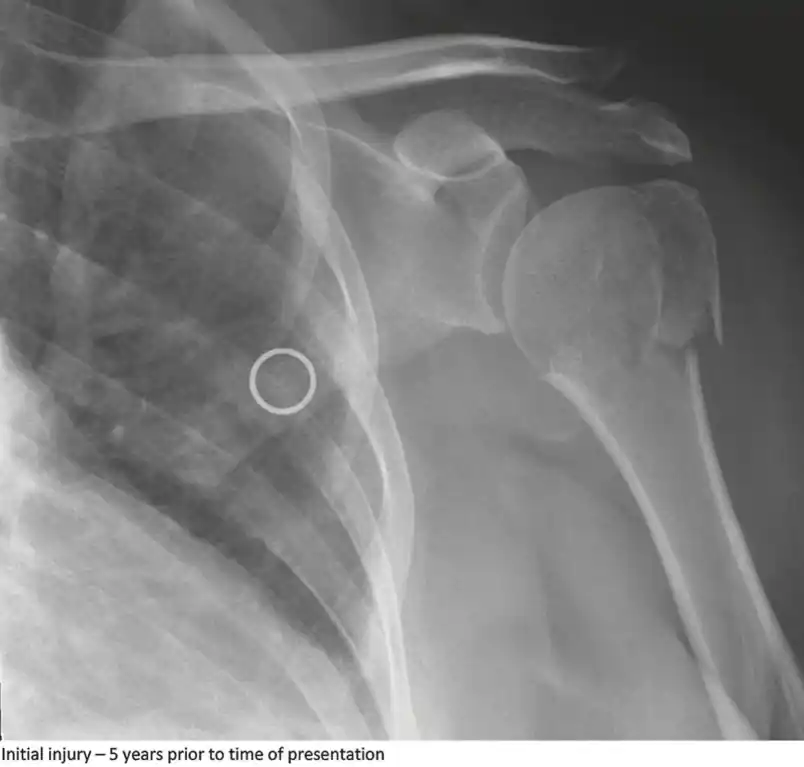
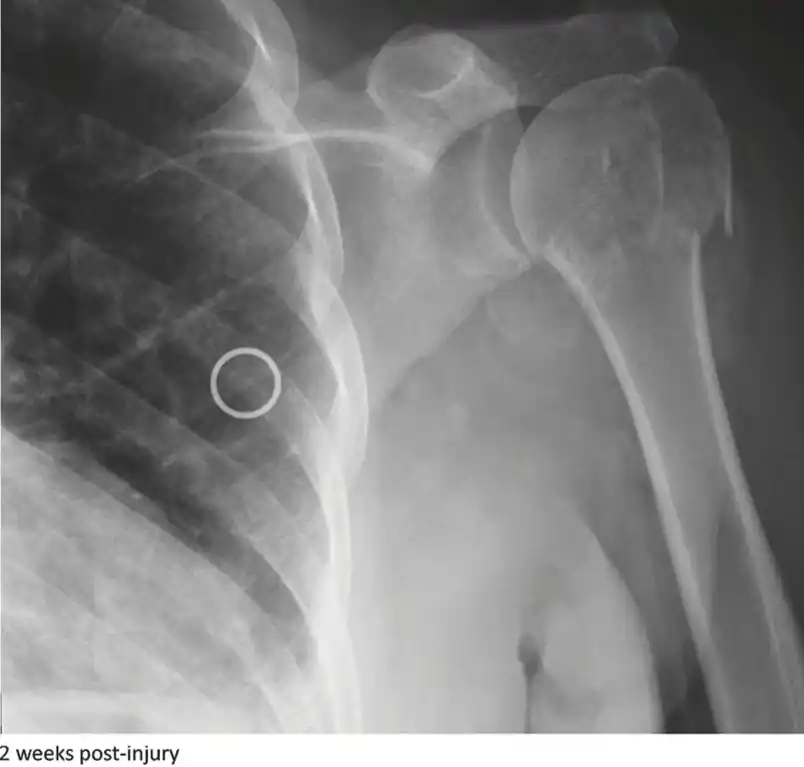
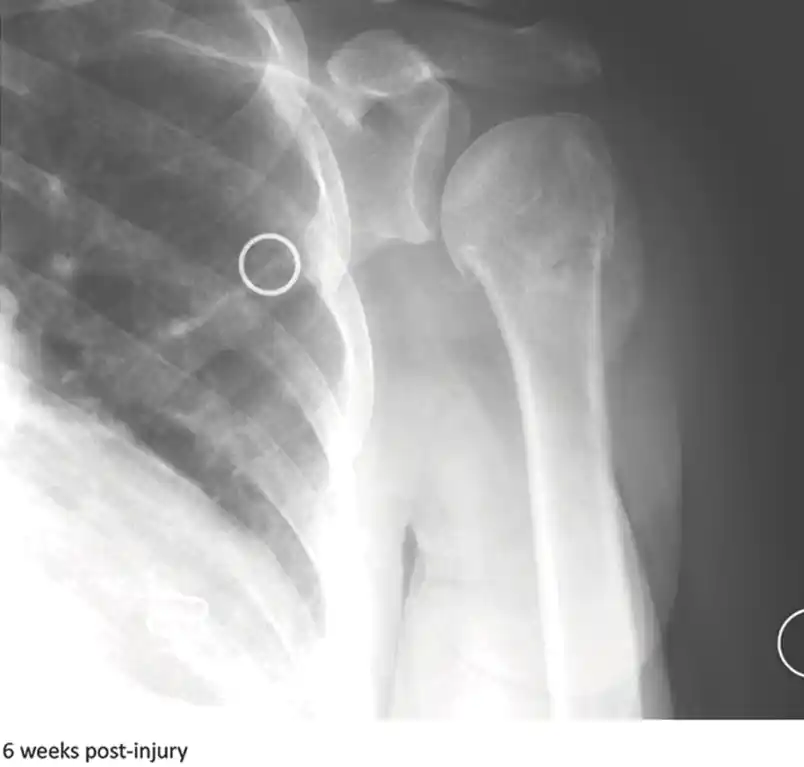
What is a Healthy Shoulder and What is Arthritis?
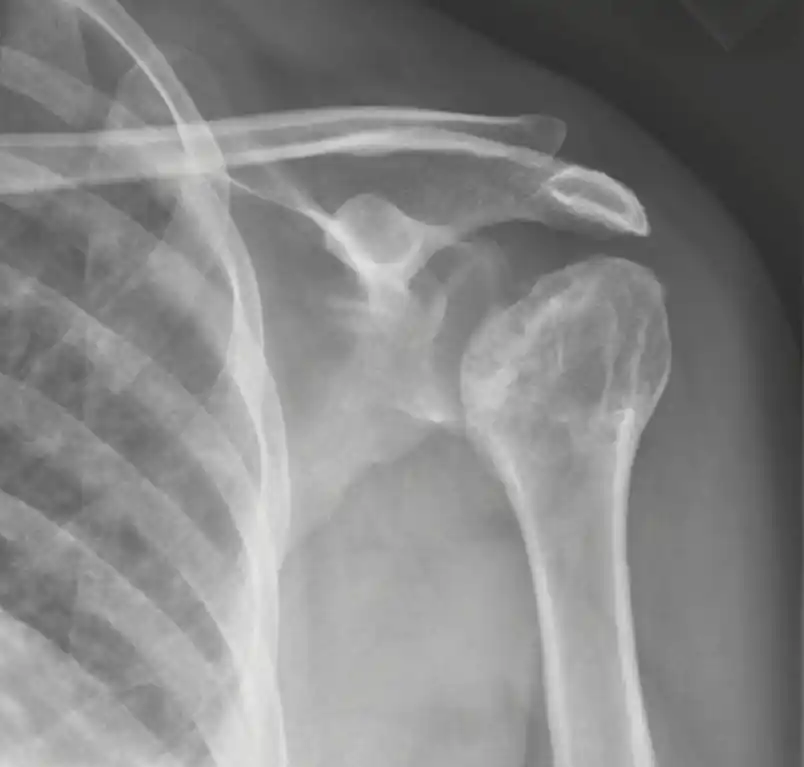
To understand post-traumatic arthritis, it helps to first know how a healthy shoulder works. The shoulder is a complex and highly mobile ball-and-socket joint. The "ball" is the head of your upper arm bone (humerus), and the "socket" is a shallow dish on your shoulder blade called the glenoid.
In a healthy joint, the ends of these bones are covered with a smooth, tough, and slippery tissue called articular cartilage. This remarkable substance, only a few millimeters thick, acts as a cushion and allows the bones to glide against each other with almost no friction. It's what lets you lift, rotate, and swing your arm freely and without pain.
Arthritis is a general term for joint inflammation, and its most common feature is the breakdown of this protective cartilage. When cartilage wears away, the smooth surfaces become rough and pitted. Eventually, the underlying bone can become exposed, leading to painful "bone-on-bone" grinding. The body may also form bone spurs (osteophytes) around the joint, and the joint lining can become inflamed, adding to pain and stiffness.
Post-traumatic arthritis is simply a form of this wear-and-tear process (osteoarthritis) that is set in motion by a physical injury. An injury can effectively "fast-forward" the aging process of the joint, causing arthritis to appear years or even decades earlier than it might have otherwise.
How a Past Injury Causes Shoulder Arthritis
A significant injury can damage the shoulder joint in ways that lead to the gradual breakdown of cartilage over time. The trauma disrupts the joint’s delicate balance and can trigger a long-term degenerative process. Several types of injuries are common culprits.
- Shoulder Fractures: A break in the upper arm bone (humerus) or shoulder blade (scapula) that extends into the joint surface is a major risk factor. Even if the fracture heals perfectly, the cartilage surface may be left uneven or damaged. A "shattered" shoulder, where the bone breaks into multiple pieces, has a very high likelihood of leading to arthritis.
- Shoulder Dislocations: When the ball of the shoulder pops out of its socket, it can cause significant trauma to the joint. The impact can tear the labrum (a cartilage rim that deepens the socket), chip the bone, and gouge the articular cartilage. Even after the shoulder is relocated, this initial damage can predispose the joint to accelerated wear. Recurrent dislocations compound this damage.
- Severe Rotator Cuff Tears: The rotator cuff is a group of muscles and tendons that keeps the shoulder ball centered in the socket. A massive, traumatic tear of these tendons can disrupt the joint's mechanics. Without the rotator cuff's stabilizing force, the ball may ride up and grind against the acromion (the bone at the top of the shoulder), leading to a specific pattern of arthritis known as rotator cuff tear arthropathy.
- Direct Cartilage Damage: Any powerful impact to the shoulder can bruise or tear the cartilage, even if no bones are broken. This damage may not heal properly and can become a starting point for progressive degeneration.
The link between trauma and arthritis is twofold. First, there's the mechanical damage. An injury that leaves the joint surfaces misaligned or irregular creates abnormal points of pressure and friction. Every time you move your arm, these areas experience concentrated stress, wearing down the cartilage faster.
Second, there is the biological response. A major injury triggers a powerful inflammatory reaction. While this is a normal part of healing, excessive or prolonged inflammation can be toxic to cartilage cells. The inflammatory chemicals released in the joint after an injury can degrade the cartilage matrix and alter the underlying bone, creating an environment where arthritis can thrive.
Who is at Risk?
While any significant shoulder injury can lead to post-traumatic arthritis, certain factors can increase the likelihood or severity of the condition.
- The Severity of the Injury: This is the most significant risk factor. High-energy injuries, such as those from a car crash or a major fall, that cause severe fractures or dislocations are much more likely to result in arthritis than minor sprains.
- Imperfect Healing: If a fracture heals with the bones slightly out of alignment, or if torn ligaments are not repaired and the joint remains unstable, the abnormal mechanics will accelerate cartilage wear.
- Age at Injury: While post-traumatic arthritis often affects younger people, an older individual who sustains a shoulder injury may develop arthritis more quickly, as their cartilage is already less resilient.
- Repetitive Trauma: Multiple injuries to the same shoulder or ongoing high stress on a previously injured joint (common in manual laborers or certain athletes) can speed up the degenerative process.
- Genetics: Some people may have a genetic predisposition to osteoarthritis, meaning their cartilage may be more susceptible to breaking down after an injury.
It's important to know that the onset of symptoms can be delayed. It is common for a person to feel that their shoulder has fully recovered from an injury, only to have arthritic pain and stiffness begin to appear 5, 10, or even 20 years later.
Recognizing the Symptoms
The symptoms of post-traumatic shoulder arthritis usually develop gradually and can be mistaken for a new injury or simply "getting older."
- Deep, Aching Pain: This is typically the primary symptom...
- Stiffness and Loss of Motion: You may notice...
- Grinding or Popping (Crepitus): This is a very telling sign...
- Pain with Activity, Relief with Rest: The pain is often...
- Night Pain: As the arthritis progresses...
- Weakness: Over time, pain and disuse...
- Fluctuating Symptoms: It's common to have...
If you have a history of a shoulder injury and are now experiencing these types of symptoms, it is highly likely that they are related.
Frequently Asked Questions
I injured my shoulder years ago but it feels fine now. Can I still get arthritis?
Yes. It is very common for post-traumatic arthritis to develop many years, or even decades, after the initial injury. The joint may feel fully recovered, but the underlying damage can lead to a slow, silent process of cartilage breakdown that only becomes symptomatic later in life.
Will every shoulder injury lead to arthritis?
No, not every injury will cause arthritis. Minor injuries that don't damage the joint surfaces or cause instability are less likely to result in long-term problems. The risk is highest with severe injuries like fractures that enter the joint or major dislocations.
Is post-traumatic arthritis the same as osteoarthritis?
Post-traumatic arthritis is considered a subtype of osteoarthritis. Both involve the wear and tear of cartilage. The main difference is the cause: primary osteoarthritis is typically related to aging and genetics, while post-traumatic arthritis is directly triggered by a specific injury.
Can I prevent post-traumatic arthritis after an injury?
Currently, there is no guaranteed way to prevent arthritis from developing after a significant joint injury. However, the best strategy is to get prompt and appropriate medical treatment for the injury. Ensuring fractures heal in the correct alignment and surgically repairing severe ligament tears can help restore normal joint mechanics and may delay or lessen the severity of future arthritis. Following through with your physical therapy rehabilitation program is also critical.
Will I need surgery for my shoulder?
Not necessarily. Many people with post-traumatic shoulder arthritis can manage their symptoms effectively for years with non-surgical approaches, including activity modifications, physical therapy, and medications or injections to control pain and inflammation. Surgery, such as a shoulder replacement, is typically only considered when the pain and loss of function become severe and no longer respond to conservative treatments.
If my arthritis is from an injury in one shoulder, will it spread to my other shoulder?
No. Post-traumatic arthritis is a localized condition. It will only affect the joint that was injured. It does not spread to other joints in the body. If you develop arthritis in another joint, it would be due to a separate cause, such as a different injury or primary osteoarthritis.