Understanding Loose Bodies in the Shoulder
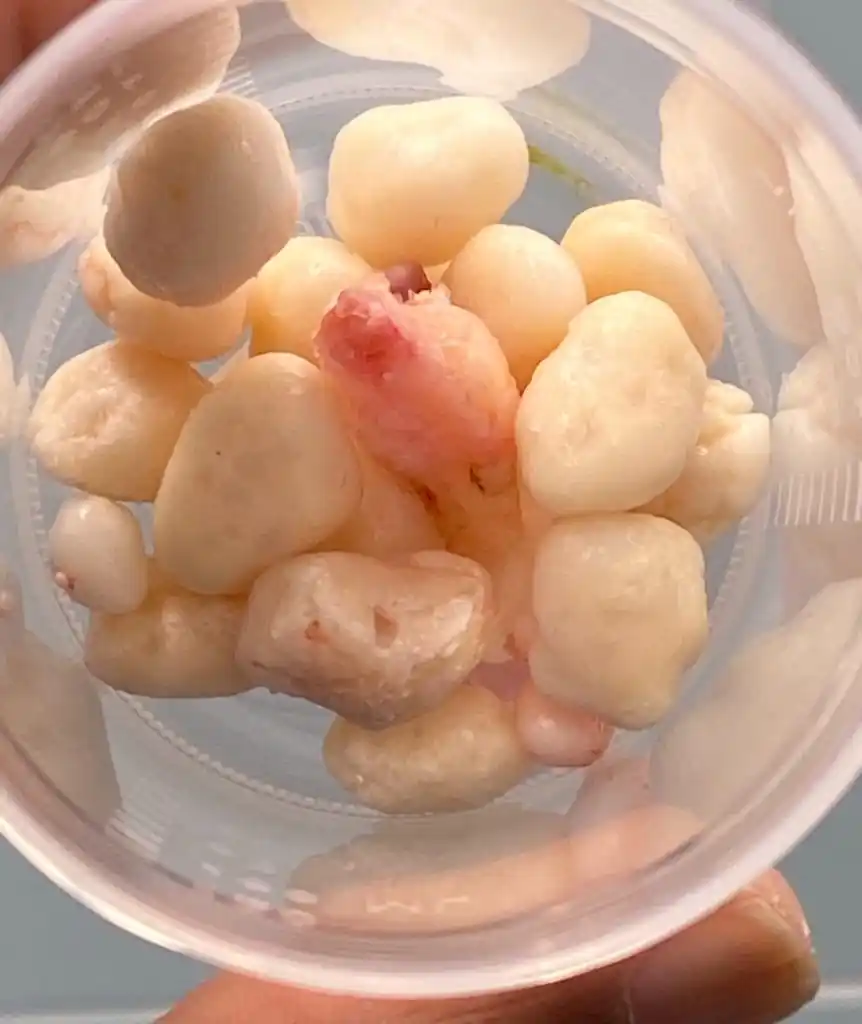
Loose bodies in the shoulder are small, free-floating fragments of bone or cartilage that have broken off and are moving around inside the shoulder joint. These fragments are sometimes called "joint mice." A healthy shoulder is a smooth, well-oiled machine where the bones glide effortlessly against one another, cushioned by cartilage and lubricated by joint fluid. A loose body is like a pebble or a piece of gravel caught in the gears of this machine. Even a tiny fragment can cause pain, inflammation, and disruptive mechanical symptoms like catching or locking.
These loose pieces can vary in size, from as small as a grain of rice to as large as a marble. A shoulder might contain a single fragment or, in some cases, multiple pieces. While loose bodies are more common in weight-bearing joints like the knee, they can and do occur in the shoulder, often as a result of a previous injury or an underlying joint condition.
When a loose body interferes with the joint's mechanics, it can cause significant discomfort and limit your shoulder's function. This guide will provide a patient-friendly overview of loose bodies in the shoulder, exploring what causes them, the common symptoms to look for, and how doctors diagnose this condition.
What Causes Loose Bodies in the Shoulder?
Loose bodies don't appear out of thin air; they are typically a byproduct of another problem that causes a piece of bone or cartilage to break away from the joint surface. The most common causes include degenerative conditions and sudden injuries.
Degenerative Joint Disease (Osteoarthritis)
Often called "wear-and-tear" arthritis, osteoarthritis is a leading cause of loose bodies, especially in middle-aged and older adults. As the protective cartilage in the shoulder joint gradually wears down over years of use, the joint surfaces become rough. Small pieces of this fraying cartilage can break off and float into the joint. In more advanced arthritis, bone spurs may form, and fragments of these spurs can also detach and become loose bodies.
Traumatic Injury
A sudden, forceful injury to the shoulder is a primary cause of loose bodies. Events that can chip off a piece of bone or cartilage include:
- Shoulder Dislocation: When the "ball" of the upper arm bone pops out of the socket, the impact can shear off a fragment of bone or cartilage.
- Shoulder Fracture: A break in one of the bones of the shoulder can create small, loose bone chips.
- Direct Blow: A hard fall or impact directly on the shoulder can be forceful enough to dislodge a piece of the joint surface.
If you experience catching or locking symptoms after a significant shoulder injury, it may be due to a loose body created during the trauma.
Repetitive Overuse
Even without a single major injury, long-term repetitive stress can lead to the formation of loose bodies. Athletes who perform frequent overhead motions (like baseball pitchers) or individuals in occupations that require heavy lifting place chronic strain on their shoulders. This can lead to gradual cartilage wear and the formation of micro-cracks, from which small fragments can eventually break away.
Inflammatory Conditions
Chronic inflammatory diseases can damage the joint and lead to loose bodies. In conditions like rheumatoid arthritis, the body's immune system attacks the joint lining, causing inflammation that erodes both cartilage and bone. This erosion can cause pieces to break off into the joint.
Synovial Chondromatosis
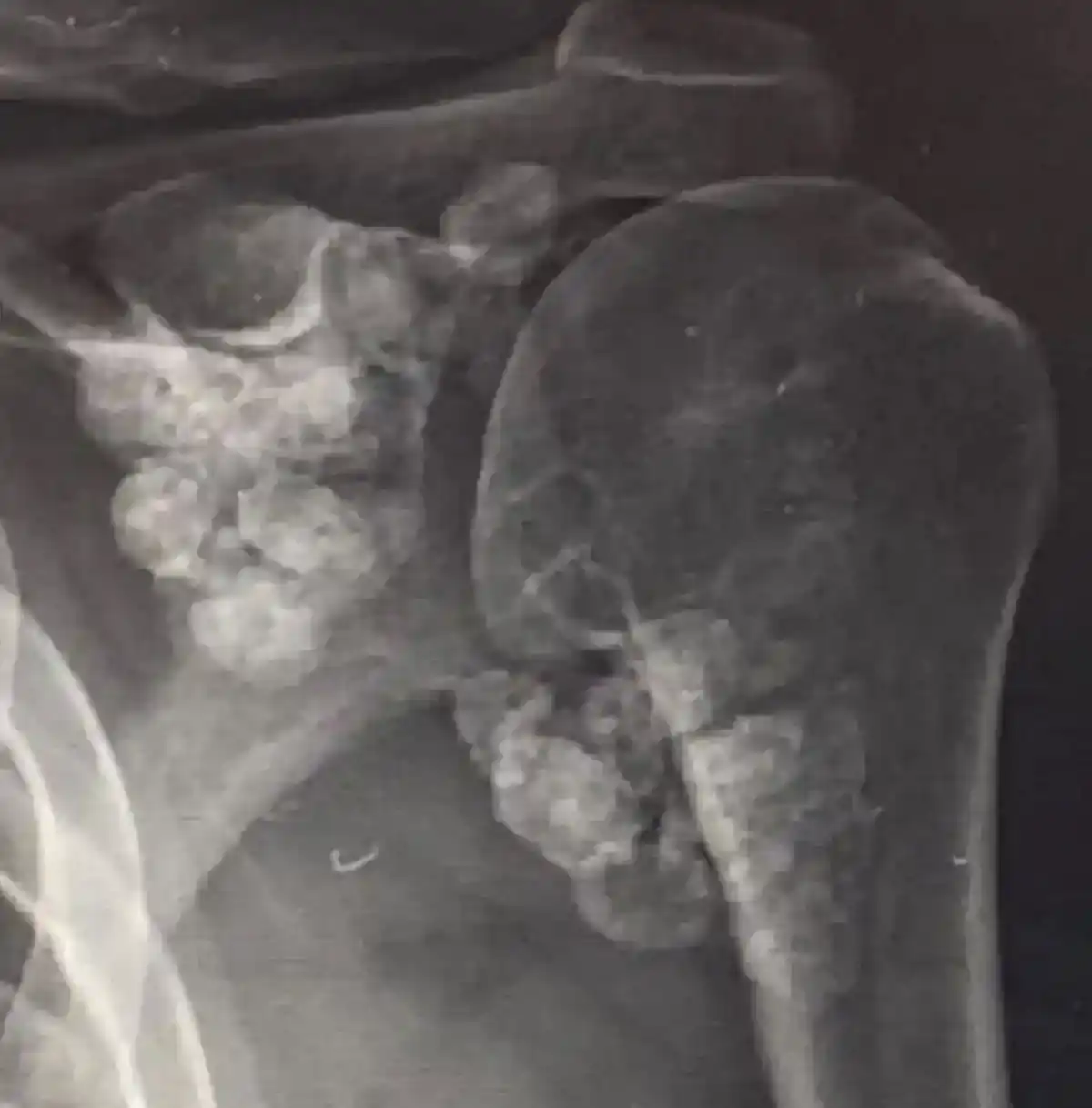
This is a rare and benign (non-cancerous) condition where the lining of the joint, called the synovium, begins to grow abnormally and produce small nodules of cartilage. These nodules can detach and become numerous loose bodies floating within the joint. Unlike loose bodies from arthritis or injury, these can actually grow over time as they are nourished by the joint fluid. This condition can lead to dozens or even hundreds of loose bodies in the shoulder, causing significant pain and damage.
Osteochondritis Dissecans (OCD)
This is another uncommon condition, typically seen in adolescents and young adults, where a segment of bone and its overlying cartilage loses its blood supply. This can cause the segment to die, crack, and eventually break off, becoming a loose body. While more common in the knee and elbow, OCD can occur in the shoulder.
Understanding the underlying cause is important because it helps guide the overall management plan. The goal is often not just to deal with the loose body itself, but also to address the condition that created it to prevent more from forming.
Common Symptoms of a Loose Body in the Shoulder
The symptoms of a loose body can range from non-existent to severe and disabling. A small fragment floating in a non-critical area of the joint may cause no issues and might only be discovered by chance on an X-ray. However, when a loose body does cause symptoms, they are often mechanical in nature.
Shoulder Pain
Pain is a very common symptom. It can be a constant, dull ache resulting from joint inflammation, or it can be a sudden, sharp pain that occurs when the loose body gets pinched between the bones during movement. The pain is often felt deep inside the shoulder and can worsen with activity.
Locking, Catching, or Jamming
This is a classic and often alarming symptom. You may be moving your arm when suddenly the shoulder "locks" or "jams," and you can't move it any further. This happens when the loose fragment gets physically wedged between the moving parts of the joint. The locking is usually temporary; a slight jiggle or change in arm position may cause the fragment to shift, "unlocking" the joint and allowing movement to resume.
Clicking, Popping, or Grinding
A loose body can cause audible or palpable sounds during movement. You might feel a "click" or "pop" each time the fragment moves past a certain point. A grinding or crunching sensation, known as crepitus, can also occur as the fragment rubs against the joint surfaces. While many shoulders click or pop for harmless reasons, a sound that is consistent, painful, and associated with a catching sensation is more concerning.
Stiffness and Limited Range of Motion
The presence of a loose body can physically block the shoulder's movement, or the resulting pain and swelling can make you reluctant to move your arm. This can lead to a feeling of stiffness and a noticeable decrease in your range of motion. You may find it difficult to lift your arm overhead or rotate it fully.
A Feeling of Weakness or Instability
Your shoulder may feel weak or unreliable, especially when lifting objects. This is often because the muscles are inhibited by pain or because the joint's mechanics are disrupted. Some people report a feeling that the shoulder might "give way," not because the joint is truly unstable (loose), but because a sudden pinch from the fragment causes an abrupt loss of muscle control.
Swelling and Inflammation
A loose body can irritate the lining of the joint, leading to inflammation and swelling. You might notice a general puffiness around the shoulder, or the joint may feel warm to the touch. This swelling contributes to the feeling of stiffness and can cause a constant, dull ache.
The nature and severity of symptoms often depend on the size, location, and number of loose bodies. A single, small fragment may only cause an occasional, sharp twinge, while multiple or larger fragments can lead to more persistent pain and frequent mechanical issues.

Why Loose Bodies Can Be a Problem for Joint Health
Beyond causing painful symptoms, loose bodies can be harmful to the long-term health of your shoulder joint. A loose fragment can act like a piece of grit in a precision machine, causing progressive damage over time.
- Cartilage Damage: As the loose body tumbles around inside the joint, it can scrape, chip, and abrade the healthy articular cartilage on the surfaces of the bones. This is like sandpaper rubbing against a smooth surface. This ongoing mechanical wear can accelerate the development of osteoarthritis or worsen existing arthritis.
- Chronic Inflammation: The presence of a loose body can trigger a chronic inflammatory response in the joint lining (synovium). This persistent inflammation not only causes pain and swelling but can also release enzymes that further degrade the health of the cartilage.
- Mechanical Blockage: If a loose body is large enough, it can physically block the joint's normal range of motion, leading to chronic stiffness. Over time, avoiding movement due to pain or locking can lead to muscle atrophy and even a secondary frozen shoulder.
For these reasons, if a loose body is causing symptoms, it is generally not something to be ignored. Addressing the issue can relieve your pain and help protect your shoulder from further damage.
How Doctors Diagnose Loose Bodies in the Shoulder
If you are experiencing symptoms suggestive of a loose body, an orthopedic specialist can perform a thorough evaluation to confirm the diagnosis.
Medical History and Physical Exam
Your doctor will begin by discussing your symptoms in detail, asking about any catching or locking sensations, and inquiring about your history of shoulder injuries or arthritis.
During the physical examination, your doctor will assess your shoulder's range of motion, strength, and stability. They will move your arm into different positions to try to reproduce any clicking or catching. In some rare cases, if a large fragment is near the surface, they may even be able to feel it move.
Imaging Tests
Imaging is crucial for confirming the presence, size, and location of a loose body.
- X-ray: This is the first and most common imaging test. If the loose body is made of bone or has calcified, it will show up clearly on an X-ray. However, pure cartilage fragments are not visible on X-rays.
- MRI or CT Scan: If an X-ray is normal but a loose body is still suspected, your doctor may order an MRI or a CT scan. An MRI is excellent for visualizing soft tissues and can detect cartilage fragments. A CT scan provides a detailed view of the bones and is very effective at spotting small bone chips. These advanced imaging tests can also assess for any associated damage, like cartilage loss or rotator cuff tears.
In some cases, the final diagnosis is confirmed during an arthroscopic procedure, where a surgeon can look directly inside the joint with a small camera.

Outlook for Loose Bodies in the Shoulder
The good news is that loose bodies are a very treatable condition with an excellent outlook.
If a loose body is small and not causing any symptoms, your doctor may recommend simply monitoring it. However, if it is causing pain, locking, or other significant issues, the most effective solution is to have it removed. This is typically done through a minimally invasive arthroscopic surgery. Using a small camera and instruments inserted through tiny incisions, a surgeon can locate and remove the loose fragments from the joint. At the same time, they may be able to address the underlying cause, such as smoothing down arthritic bone spurs.
After removal, most patients experience significant relief from their mechanical symptoms. The pain, catching, and locking often resolve completely. Physical therapy is usually recommended after the procedure to restore full strength and range of motion. Once recovered, most people can return to their normal activities with a shoulder that feels smoother and more reliable.
Frequently Asked Questions
Can a loose body in the shoulder go away on its own?
A loose body made of bone or significant cartilage will not dissolve or be absorbed by the body. While symptoms can sometimes fade if the fragment moves to a less troublesome spot, the piece itself will remain in the joint unless it is surgically removed.
Is having a loose body dangerous?
A loose body is not life-threatening or dangerous in a systemic way. The "danger" is to the health of the joint itself. If left untreated, a symptomatic loose body can cause progressive cartilage damage and accelerate the onset of arthritis.
What's the difference between a loose body and shoulder instability?
A loose body is a physical fragment of bone or cartilage floating inside the joint. Shoulder instability is a condition where the ligaments are too loose, allowing the "ball" of the joint to slip or slide improperly in the socket. While a loose body can create a feeling of instability, the underlying problems are very different.
I have a lot of clicking and popping in my shoulder. Does that mean I have a loose body?
Not necessarily. Many shoulders click or pop due to harmless causes, such as air bubbles in the joint fluid or tendons snapping over bone. The clicking associated with a loose body is often more concerning because it is usually accompanied by pain, a catching sensation, or a feeling that something is physically blocking the joint.
Can exercise or physical therapy get rid of a loose body?
No, exercise cannot remove a physical fragment from the joint. However, physical therapy can be very important for managing symptoms. It can help maintain range of motion, strengthen the surrounding muscles to improve stability, and reduce inflammation. For a definitive solution, the fragment usually needs to be surgically removed.
If I have a loose body from arthritis, will removing it cure my arthritis?
No, removing a loose body will not cure the underlying arthritis. Arthritis is a chronic degenerative condition. However, removing the fragment can significantly reduce your pain and eliminate the mechanical symptoms of catching and locking, which can dramatically improve your quality of life and slow down further damage.