Understanding Proximal Humerus Fractures (Broken Upper Arm at the Shoulder)
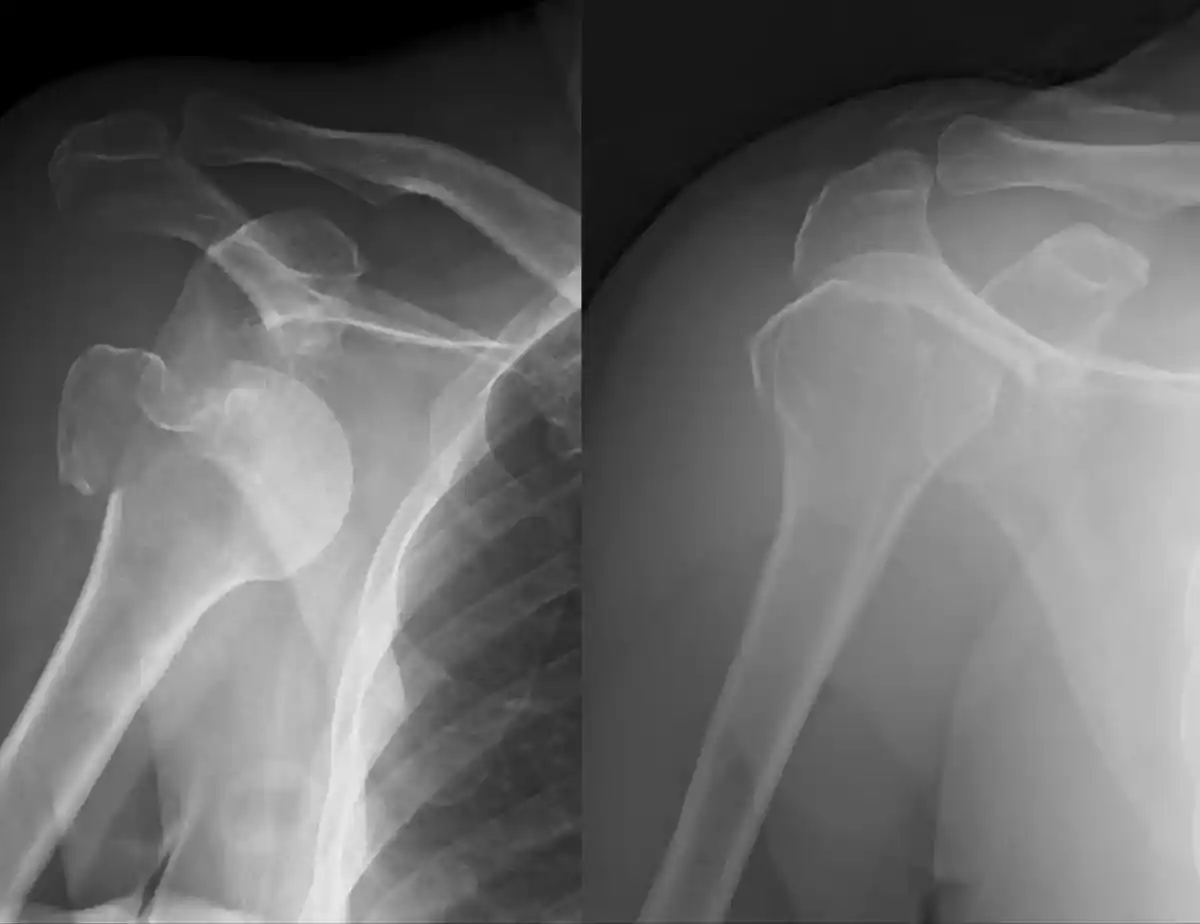
When people talk about a "broken shoulder," they are often referring to a proximal humerus fracture. This is a break in the upper part of the humerus, which is the long bone of your upper arm. The "proximal" part refers to the section closest to the center of your body, specifically the area that forms the "ball" of the shoulder's ball-and-socket joint. This part of the bone includes the humeral head (the ball), the neck of the humerus just below it, and the small bony bumps (tubercles) where important rotator cuff muscles attach.
A proximal humerus fracture is a common and significant injury. It accounts for about 5% of all broken bones in adults and is particularly frequent among older individuals. In fact, it is the third most common type of fracture related to osteoporosis, after wrist and hip fractures. While younger people can certainly break their upper arm bone, it usually requires a major trauma. For older adults, however, a simple fall can be enough to cause this injury.
This guide provides a detailed, patient-friendly overview of proximal humerus fractures, explaining what they are, the common causes, the symptoms to look for, and what to generally expect during diagnosis and recovery.
What Causes a Proximal Humerus Fracture?
The cause of a proximal humerus fracture often depends on the person's age and bone health.
In Older Adults:
For older individuals, especially those with osteoporosis (a condition that weakens bones), these fractures are typically caused by low-energy trauma. The most common scenario is a fall from a standing height. Tripping on a rug, slipping on a wet floor, or losing balance and falling onto the shoulder or an outstretched arm can be enough to break the weakened upper arm bone. The bone's integrity is reduced by age and bone density loss, making it more susceptible to breaking from an impact that a younger person might walk away from with only a bruise.
In Younger Individuals:
In younger, healthier people with strong bones, a proximal humerus fracture usually requires a high-energy event. This means a much greater force is needed to break the bone. Common causes in this group include:
- High-impact sports: A hard fall or collision during sports like skiing, snowboarding, or football can generate enough force.
- Motor vehicle accidents: Car or motorcycle crashes are a frequent source of the kind of major trauma that can lead to this fracture.
- Falls from a height: Falling off a ladder, from a roof, or during activities like rock climbing can easily result in a broken proximal humerus.
In some cases, a proximal humerus fracture can happen at the same time as a shoulder dislocation. This is known as a fracture-dislocation. The force that pops the ball of the humerus out of its socket can also be strong enough to crack or break the bone, particularly in someone with more fragile bones.
Several factors increase the risk of sustaining a proximal humerus fracture. Advanced age and osteoporosis are the most significant. Women are affected more often than men, largely due to a higher rate of post-menopausal osteoporosis. Any medical condition that affects bone quality, such as diabetes, can also increase the risk.
Recognizing the Symptoms of a Proximal Humerus Fracture
A proximal humerus fracture is usually accompanied by immediate and severe symptoms. It is a very painful injury that makes it impossible to use the arm normally.
The most common signs and symptoms include:
- Severe Shoulder Pain: This is the most dominant symptom. The pain starts instantly upon injury, is centered in the upper arm and shoulder area, and is sharp and intense. Any attempt to move the arm will cause a spike in pain.
- Inability to Move the Arm: You will likely be unable to lift your arm away from your body or rotate it. The mechanical disruption of the broken bone and the intense pain effectively render the arm useless.
- Significant Swelling and Bruising: The shoulder and upper arm will swell considerably. One of the hallmark signs of this fracture is extensive bruising that appears over the next day or two. This bruising, known as ecchymosis, can be quite dramatic, often traveling down the arm, sometimes all the way to the elbow or even the hand. This happens as blood from the fracture site seeps into the surrounding soft tissues and is pulled downward by gravity.
- Deformity of the Shoulder: While not always obvious, the shoulder may look deformed. The normal rounded contour of the shoulder might appear flattened or there may be a visible bump if a bone fragment is significantly displaced. The arm might also appear to hang abnormally. However, in many cases, the swelling can mask any underlying deformity.
- A Grinding or Crunching Sensation (Crepitus): If the arm is moved, you might feel or hear a crunching sound. This is caused by the broken bone fragments rubbing against each other. It is best to avoid moving the arm to prevent further pain and potential damage.
- Numbness or Tingling: A nerve called the axillary nerve runs very close to the area of the humerus that commonly breaks. This nerve controls the deltoid muscle (the large muscle on the outside of your shoulder) and provides sensation to a small patch of skin in that area. If this nerve is stretched or bruised during the fracture, you might experience numbness on the outer shoulder or weakness when trying to lift your arm. This is a potential complication that doctors will specifically check for.
Anyone with these symptoms after a fall or injury will instinctively protect the arm by holding it close to the body, often cradling the elbow with the uninjured hand to support its weight.
How is a Proximal Humerus Fracture Diagnosed?
If a proximal humerus fracture is suspected, a prompt medical evaluation is necessary. The diagnostic process includes a physical examination and imaging tests.
Physical Examination:
A doctor will begin by asking how the injury happened and then carefully inspect the shoulder for the classic signs of swelling, bruising, and deformity. They will gently touch (palpate) the upper arm and shoulder to locate the precise area of tenderness. Because moving the arm is so painful, the doctor will likely limit any range-of-motion testing.
A critical part of the exam is the neurovascular assessment. The doctor will:
- Check Nerve Function: They will test the sensation in your arm and hand, paying close attention to the patch of skin on the outside of your shoulder to assess the axillary nerve. They will also ask you to move your wrist and fingers to check other major nerves.
- Check Blood Flow: They will feel for a pulse at your wrist and check the color and temperature of your hand to ensure that the blood supply to your arm has not been compromised.
Imaging:
- X-rays: An X-ray is the standard imaging test to confirm a fracture. Several different views of the shoulder are taken to show the bone from different angles. The X-rays will clearly show where the humerus is broken and, importantly, how much the bone fragments have moved or shifted from their normal position (displacement). The pattern of the fracture—whether it's a simple two-part break or shattered into multiple pieces—is crucial for determining the best path forward.
- CT (Computed Tomography) Scan: If the fracture is complex, shattered into multiple pieces, or involves the joint surface, your doctor may order a CT scan. A CT scan provides highly detailed, 3D images of the bone. This gives the surgeon a much better understanding of the fracture's anatomy and is often essential for planning a surgical procedure if one is needed.
The General Healing and Recovery Process
A large number of proximal humerus fractures, particularly in older adults, can be managed successfully without surgery. This is especially true if the bone fragments are not significantly displaced.
The standard non-surgical approach is to immobilize the arm in a sling or a shoulder immobilizer. The sling supports the arm and holds it against the body, which helps to keep the bone fragments in a stable position while they heal. You will typically wear the sling for several weeks.
During this time, pain will be managed with medication and ice. While the shoulder itself needs to be kept still, you will be encouraged to move your fingers, wrist, and elbow regularly to prevent them from getting stiff.
After a week or two, as the initial severe pain subsides, your doctor will likely recommend starting very gentle shoulder exercises, such as pendulum swings. This early motion is critical for preventing the shoulder from becoming permanently stiff (a condition known as adhesive capsulitis or "frozen shoulder").
Follow-up X-rays will be taken periodically to ensure the fracture is healing in a good position. The bone generally takes about 3 to 4 months to heal solidly.
Fixable Fractures
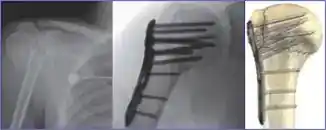
Surgery may be considered for more severe fractures where the bone fragments are badly displaced, the joint surface is disrupted, or the bone is broken into many pieces. The goal of surgery is to realign the bone fragments and fix them in place with hardware like plates, screws, or rods.
A Fixable 3 Part Fracture
Non-Fixable Fractures
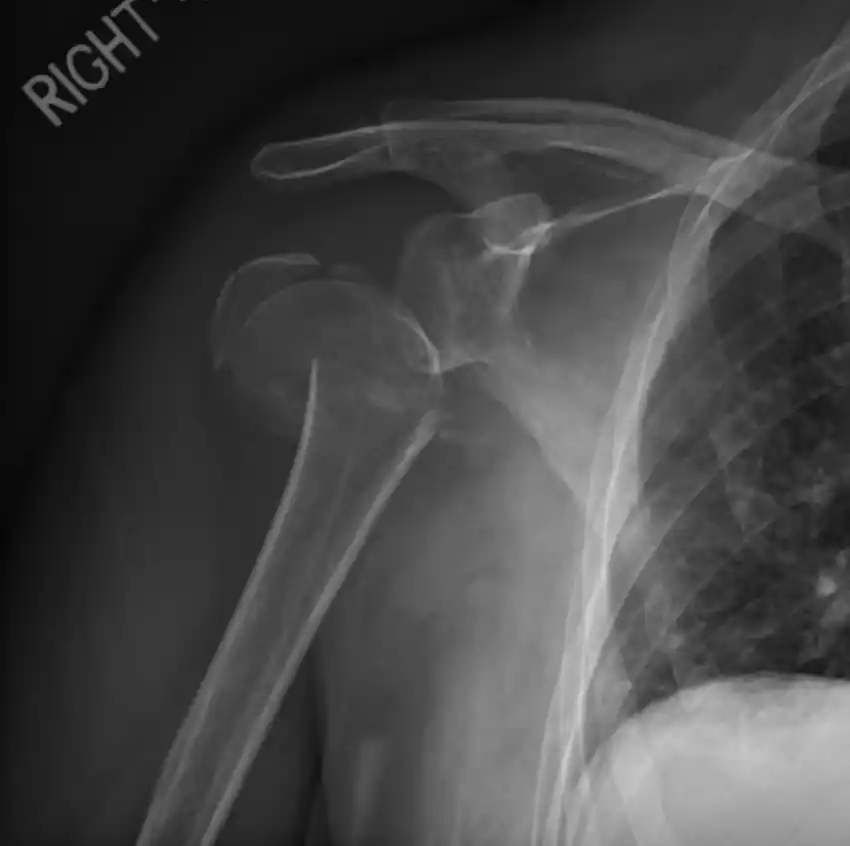
In some very severe cases, particularly in older patients with poor bone quality where fixing the bone is not possible, the surgeon may recommend replacing the broken "ball" part of the joint with a metal prosthesis.
Displaced Multi-Fragmentary Fractures – Not Reparable

Whether treated with or without surgery, rehabilitation with physical therapy is an essential part of recovery. Once the bone is stable enough, a therapist will guide you through exercises to gradually restore your shoulder's range of motion and strength. This process is slow and requires patience and dedication. It can take several months of therapy, and improvements in strength and motion can continue for up to a year after the injury.
Shoulder Replacement for Humerus Fractures
When a proximal humerus fracture cannot be repaired with fixation, shoulder replacement surgery offers a reliable solution to restore pain-free movement and function.
Shoulder Replacement Options for Fractures that Can't be Repaired
Shoulder Hemiarthroplasty
A hemiarthroplasty replaces only the humeral head (the "ball") with a metal prosthesis, leaving the natural socket (glenoid) intact. This option is considered when the ball is too damaged to repair but the socket remains healthy.

Total Shoulder Replacement
A total shoulder replacement replaces both the humeral head and the glenoid socket with prosthetic components. This restores a smooth, pain-free joint surface when both sides of the joint have been damaged.
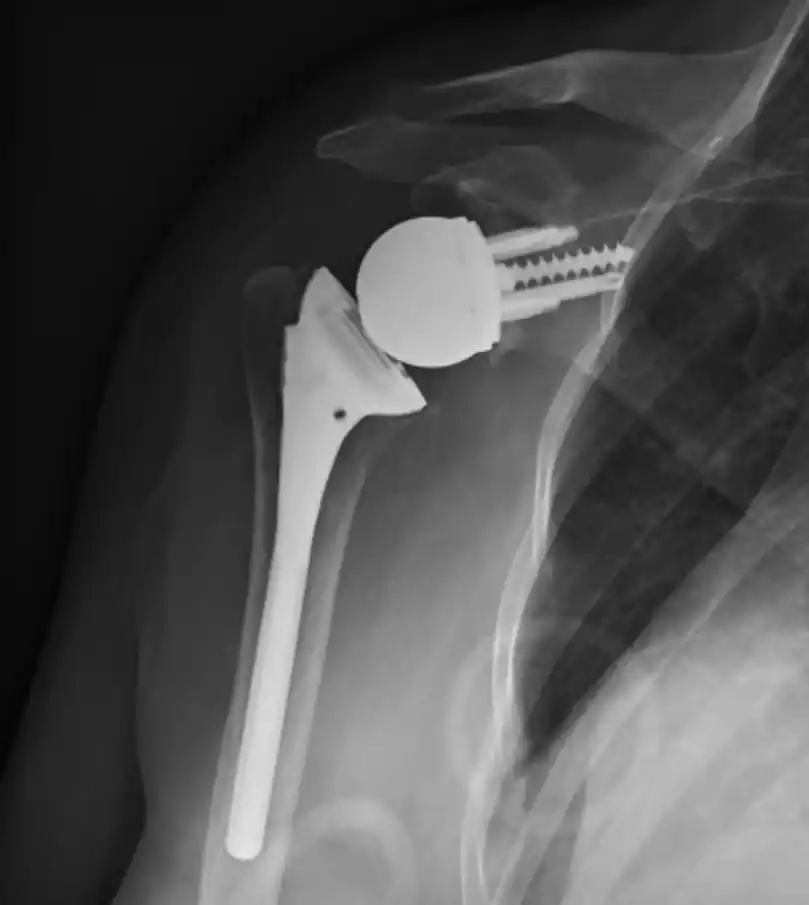
Reverse Shoulder Replacement
A reverse shoulder replacement switches the positions of the ball and socket. This design allows the deltoid muscle to compensate for a non-functioning rotator cuff, making it the preferred option for many elderly patients with fractures and poor rotator cuff tissue.
Outlook and Potential Complications
Most people who sustain a proximal humerus fracture recover a good, functional range of motion and are able to return to their daily activities. However, the outcome can vary depending on the severity of the fracture, the person's age, and their commitment to rehabilitation.
It is common, especially after a severe fracture, to not regain 100% of the shoulder's pre-injury motion. Some residual stiffness or weakness may persist. For example, reaching high overhead or behind your back might remain difficult. The primary goal of treatment is to restore enough function for you to perform essential activities of daily living—such as dressing, eating, and personal hygiene—without pain.
Potential complications can include:
- Stiffness (Frozen Shoulder): This is a common risk, but it can be minimized with early and consistent physical therapy.
- Malunion: This is when the bone heals in an imperfect position. Minor malunions may not cause any problems, but a significant one could alter shoulder mechanics and lead to weakness or limited motion.
- Avascular Necrosis (AVN): In some fractures, the blood supply to the humeral head (the "ball") can be disrupted. If this happens, the bone tissue can die and collapse over time, leading to pain and arthritis. The risk of AVN is higher in more severe, multi-part fractures.
- Post-Traumatic Arthritis: If the fracture damaged the cartilage on the joint surface, arthritis can develop in the shoulder joint years later, causing pain, stiffness, and grinding.
- Nerve Injury: While most stretch injuries to the axillary nerve recover on their own over a few months, a severe injury could result in permanent weakness of the shoulder muscle.
Full recovery from a proximal humerus fracture is a long road, often taking 6 to 12 months. Patience and a commitment to your rehabilitation exercises are the keys to achieving the best possible outcome.
Frequently Asked Questions
How long will it take for my broken shoulder to heal?
The bone itself usually takes about 3 to 4 months to heal solidly enough for you to start using the arm more actively. However, the full recovery process, including regaining as much motion and strength as possible through physical therapy, can take up to a year.
Will I definitely need surgery?
Not necessarily. A large percentage of proximal humerus fractures, especially those where the bone pieces haven't moved much, are treated successfully without surgery. The decision depends on the fracture pattern, your age, your activity level, and your bone quality. Your doctor will determine the best approach for you.
Why is the bruising so bad and so far down my arm?
This is very normal for this type of fracture. The break causes bleeding inside the tissues around the shoulder. Gravity then pulls this blood down through the tissue planes of your arm, causing extensive bruising that can appear on your biceps, elbow, and sometimes even your forearm and hand. While it looks alarming, it is expected.
Can I recover fully from this injury?
The goal is to recover a functional, pain-free shoulder that allows you to perform your daily activities. While many people return to a high level of function, it is common to have some degree of permanent stiffness or loss of motion, especially after a severe fracture. Consistent physical therapy is the most important factor in maximizing your recovery.
What is a "frozen shoulder" and how do I avoid it?
A frozen shoulder (adhesive capsulitis) is a condition where the shoulder capsule becomes thick, tight, and inflamed, leading to severe stiffness and pain. It's a risk after any shoulder injury that requires immobilization. The best way to avoid it is to follow your doctor's instructions for starting gentle range-of-motion exercises as soon as it's safe to do so.
What is avascular necrosis (AVN)?
Avascular necrosis is a serious complication where the blood supply to a part of the bone is cut off, causing the bone tissue to die. In a proximal humerus fracture, this can happen to the humeral head ("ball"). The risk is highest in fractures where the head is broken into multiple pieces. If AVN occurs, the head may collapse over time, leading to severe arthritis and pain.
When can I start driving again?
You should not drive while wearing a sling or taking narcotic pain medication. You will need clearance from your doctor, which is typically given when you are out of the sling, have enough motion and strength to control the steering wheel safely, and are not impaired by pain. This may take several weeks to months.