Understanding Frozen Shoulder (Adhesive Capsulitis): A Patient's Guide
Frozen shoulder, known in the medical world as adhesive capsulitis, is a common but often misunderstood condition. It causes persistent pain and stiffness in the shoulder joint, which can eventually make the shoulder extremely difficult to move. The term "frozen" aptly describes the sensation of the shoulder being stuck or locked in place. While symptoms typically start slowly and worsen over time, the condition usually improves on its own, though full recovery can be a lengthy process, sometimes taking one to three years.
This condition most often affects adults between the ages of 40 and 60 and is more common in women. While it can happen without any clear reason, certain factors, such as a period of shoulder immobilization or underlying health conditions like diabetes, can increase your risk. This guide will walk you through what frozen shoulder is, its causes and risk factors, its distinct stages and symptoms, and how it is diagnosed, providing a clear, high-level overview to help you understand this challenging condition.

What is Happening Inside a Frozen Shoulder?
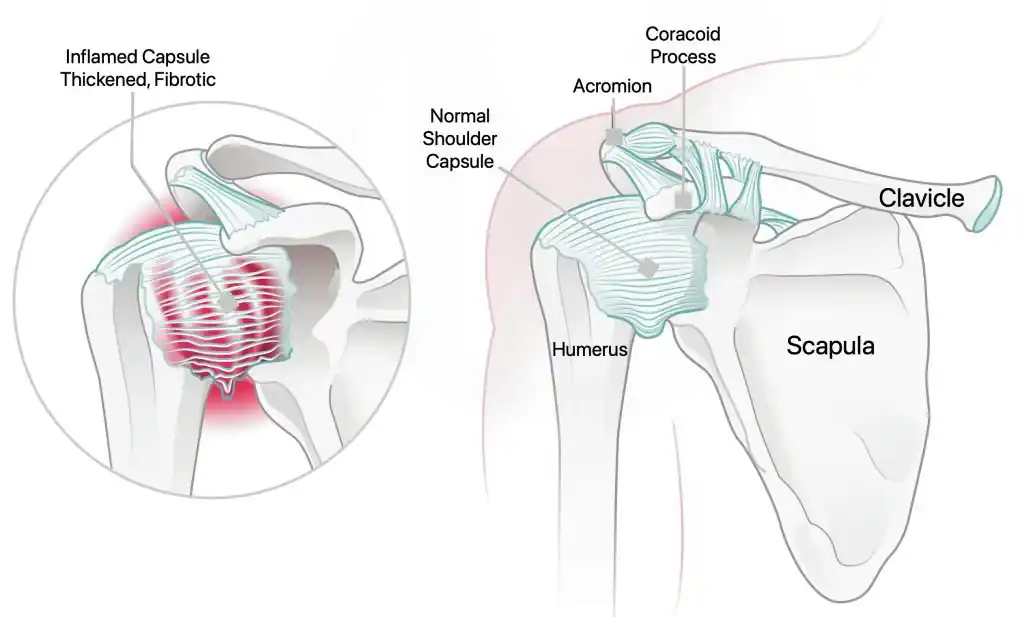
To understand frozen shoulder, we first need to look at the shoulder's anatomy. The shoulder is a ball-and-socket joint. The "ball" is the top of the upper arm bone (humerus), which fits into a shallow "socket" (the glenoid) on the shoulder blade. Surrounding this joint is a flexible, balloon-like structure of connective tissue called the shoulder capsule. This capsule is normally loose enough to allow the shoulder's incredible range of motion, and it contains synovial fluid that lubricates the joint for smooth movement.
In frozen shoulder, this capsule becomes inflamed, thickens, and tightens. Stiff bands of tissue, known as adhesions, form within the capsule, causing it to contract and shrink around the joint. This process effectively "shrink-wraps" the shoulder, severely restricting its ability to move. The result is significant pain and a dramatic loss of motion.
A key feature of frozen shoulder is that both active motion (when you try to move your arm yourself) and passive motion (when a doctor or therapist tries to move it for you) are limited. This is a crucial distinction that helps differentiate it from other shoulder problems where weakness or pain might limit your active movement, but a healthcare provider can still move the joint passively.
Frozen shoulder affects an estimated 2% to 5% of the general population. It is not caused by cold weather, and the term "frozen" simply describes the feeling of immobility. Once a shoulder has gone through the full cycle and "thawed," it is very rare for the condition to return in the same shoulder. However, there is a chance it could develop in the opposite shoulder at a later time.
What Causes Frozen Shoulder?
The exact cause of frozen shoulder is often a mystery. In many instances, it appears without any specific injury or event. This is called primary or idiopathic frozen shoulder. Researchers believe it may be linked to an underlying inflammatory or autoimmune response that triggers the scarring and tightening process in the joint capsule. Hormonal changes and genetic predispositions might also play a role, which could help explain why it is more common in women and in a specific age range.
In other cases, frozen shoulder develops as a result of a known trigger. This is called secondary frozen shoulder. The most common cause is prolonged immobilization of the shoulder. If you have to keep your arm still for an extended period, the joint capsule can begin to tighten. This can happen after:
- A Shoulder Injury: A rotator cuff tear or a fracture of the arm, collarbone, or shoulder blade that requires you to wear a sling or avoid movement.
- A Surgical Procedure: Recovery from shoulder surgery, or even other surgeries like breast or heart surgery, can lead to guarding and a lack of shoulder movement.
A Stroke or Neurological Condition: Weakness or paralysis in an arm can lead to disuse, which is a strong trigger for frozen shoulder.
Key Risk Factors
While anyone can develop frozen shoulder, certain factors significantly increase your risk:
- Age: It most commonly affects individuals between 40 and 60 years old.
- Gender: Women are more likely to develop frozen shoulder than men.
- Diabetes: This is the most significant risk factor. People with diabetes are much more likely to get frozen shoulder, and their cases are often more severe and take longer to resolve.
- Thyroid Disorders: Both an underactive (hypothyroidism) and overactive (hyperthyroidism) thyroid are associated with an increased risk.
- Other Systemic Conditions: Parkinson's disease, cardiovascular disease, and certain autoimmune conditions have also been linked to a higher incidence of frozen shoulder.
The Three Stages of Frozen Shoulder
Frozen shoulder is famous for its slow, gradual progression through three distinct phases: the "Freezing," "Frozen," and "Thawing" stages. Understanding this timeline can help you know what to expect.
Stage 1: The Freezing Stage (Painful Phase)
This is the initial stage, where symptoms begin to appear and worsen.
- Duration: Typically lasts from 6 weeks to 9 months.
- Symptoms: The primary symptom is a slow, steady increase in shoulder pain. It’s often a dull, aching pain felt deep in the outer shoulder and upper arm. The pain is frequently worse at night and can be severe enough to disrupt sleep. As the pain intensifies, you will notice your shoulder's range of motion becoming progressively more limited. Any attempt to move the arm can trigger sharp pain.
Stage 2: The Frozen Stage (Stiff Phase)
In this middle stage, the stiffness reaches its peak while the pain often begins to subside.
- Duration: Can last from 4 to 12 months.
- Symptoms: While the constant, aching pain may diminish, the shoulder becomes extremely stiff and difficult to move. This is when the "frozen" description feels most accurate. Daily activities like dressing, reaching for a seatbelt, or combing your hair become nearly impossible with the affected arm. Pain during this stage is usually only felt when you try to push the shoulder beyond its limited range of motion.
Stage 3: The Thawing Stage (Recovery Phase)
This is the final stage, where the shoulder slowly begins to loosen up and function returns.
- Duration: This is often the longest phase, lasting anywhere from 6 months to 2 years or more.
- Symptoms: The stiffness gradually decreases, and you will slowly regain your range of motion. The pain continues to fade away. The improvement can be so gradual that you might not notice it day-to-day, but over months, you will see significant progress in what you can do.
The entire journey from the first symptom to full recovery can take anywhere from one to three years. The experience varies for each person; some recover more quickly, while others face a longer, more stubborn course.
How Frozen Shoulder is Diagnosed
If you are experiencing progressive shoulder pain and stiffness, a healthcare provider can usually diagnose frozen shoulder with a thorough history and physical exam.
- Medical History: Your doctor will ask about your symptoms, including when the pain started, how it has changed over time, and how it's affecting your daily life. They will also inquire about any past injuries and your overall health, paying close attention to risk factors like diabetes or thyroid issues.
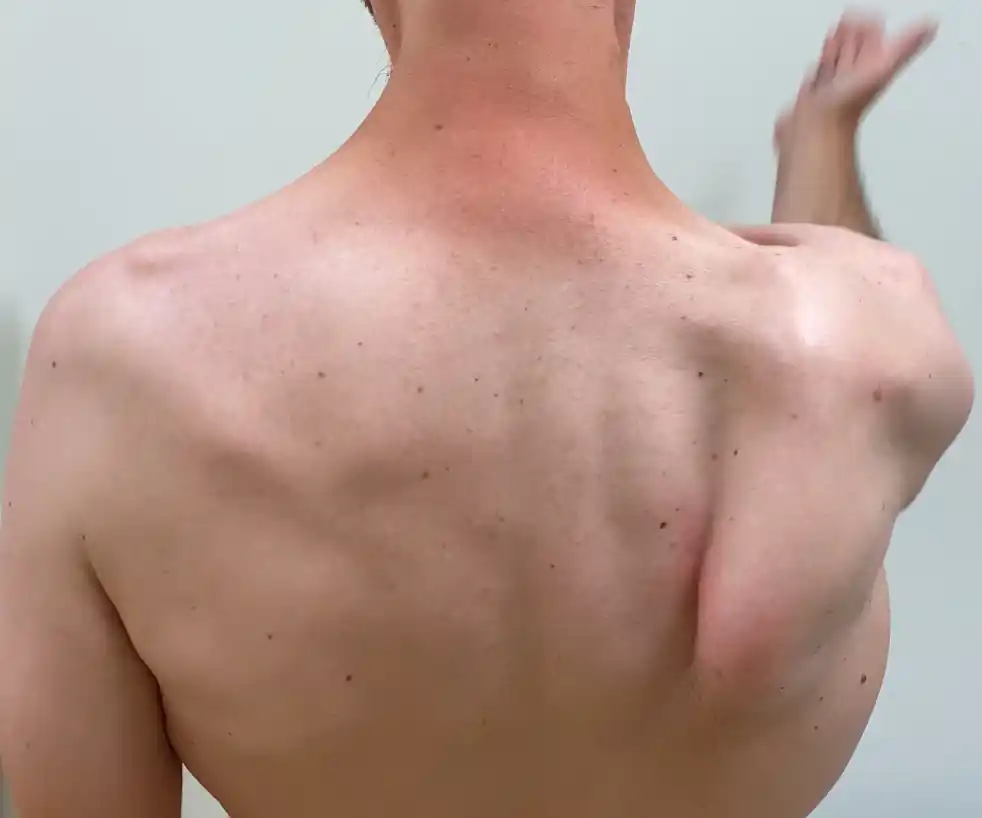
- Physical Examination: This is the most important part of the diagnosis. Your doctor will carefully assess your shoulder's range of motion. A key finding in frozen shoulder is that both active motion (moving your arm yourself) and passive motion (the doctor moving your arm for you) are severely restricted. This indicates a true mechanical blockage from the tight capsule, rather than just pain or weakness. A significant loss of external rotation (turning your forearm outward) is a classic sign.
- Imaging Tests: While not always necessary, your doctor will likely order an X-ray of your shoulder. An X-ray cannot show the soft tissues of the capsule, but it is crucial for ruling out other causes of stiffness, such as arthritis (which would show joint space narrowing and bone spurs) or a previous fracture. In a case of pure frozen shoulder, the X-ray of the bones and joint will look normal. An MRI might be ordered if the diagnosis is unclear or if your doctor suspects another issue, like a large rotator cuff tear, might also be present.
Living with a Frozen Shoulder
The long duration of frozen shoulder can be physically and emotionally challenging. The pain and loss of function can disrupt sleep, work, and hobbies. Coping often involves a combination of patience, adaptation, and professional guidance.
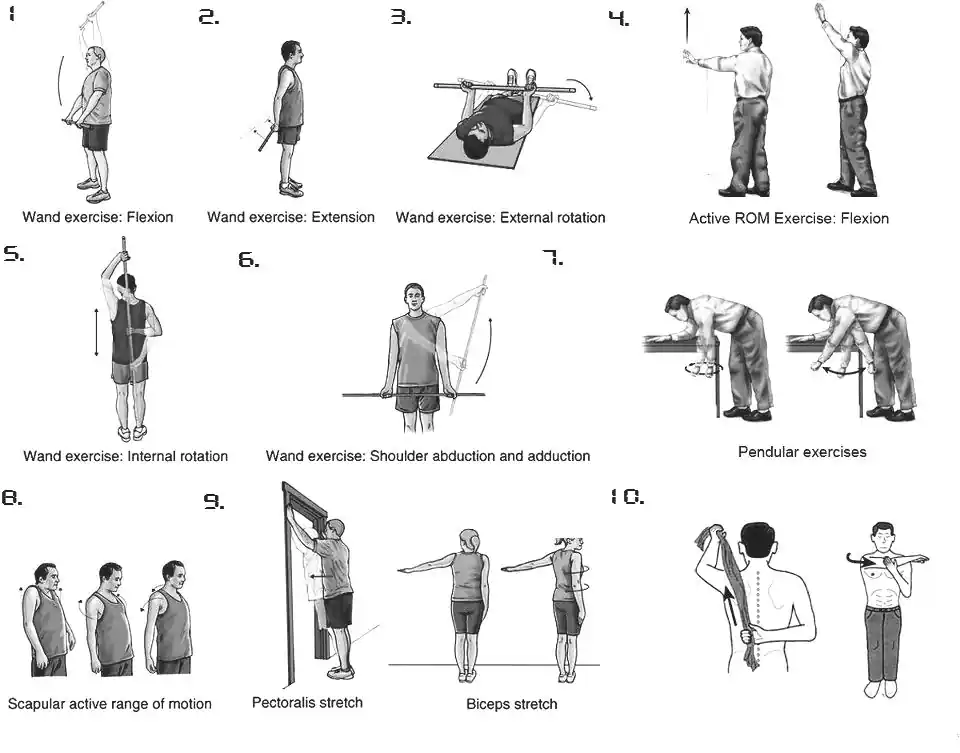
During the painful freezing stage, the focus is often on managing pain. In the stiff frozen stage, the challenge shifts to adapting daily activities. You may need to learn new ways to get dressed, ask for help with certain tasks, or modify your work duties. It is important to find a balance between resting the shoulder and keeping it moving. While you should avoid movements that cause sharp pain, completely immobilizing the arm will only worsen the stiffness. Gentle, guided exercises are key to maintaining as much motion as possible.
Remember that this is a temporary condition. Keeping a positive mindset and celebrating small victories—like being able to reach a little higher each month—can help you get through the long recovery process.
Frequently Asked Questions
Can frozen shoulder get better on its own?
Yes, frozen shoulder is considered a self-limiting condition, and in most cases, it will eventually "thaw" and get better on its own. However, this natural process can take one to three years, and medical guidance can help manage pain and potentially speed up the recovery of motion.
Is frozen shoulder a type of arthritis?
No. Arthritis involves the degeneration of cartilage and bone within the joint. Frozen shoulder is a condition of the soft tissue capsule that surrounds the joint. An X-ray can help distinguish between the two, as an arthritic shoulder will show bone changes, while a frozen shoulder typically has normal-looking bones.
Why does my shoulder hurt so much more at night?
Night pain is a hallmark of the "freezing" stage. The exact reason is unclear, but it is likely due to the inflammatory process being more active at night. Also, lying down can change the pressure within the joint, and accidentally rolling onto the affected side can cause sharp pain that wakes you up.
Can I get frozen shoulder in the same shoulder again?
It is extremely rare for frozen shoulder to recur in the same shoulder once it has fully resolved. However, some people (estimates range from 5% to 34%) may develop it in the opposite shoulder at a later time.
Should I force my shoulder to move to break up the stiffness?
You should not force your shoulder through sharp, intense pain, as this can increase inflammation and make the condition worse. Recovery involves gentle, persistent stretching over a long period. A physical therapist can teach you safe and effective exercises to gradually improve your range of motion without causing further injury.
I have diabetes. Is there anything I can do to prevent frozen shoulder?
While there is no guaranteed way to prevent it, maintaining good control of your blood sugar levels may help reduce your risk. It is also important to keep your shoulders mobile with regular, gentle stretching, especially if you have had a minor injury or are less active.
I was told I have a "stiff shoulder." Is that the same as a frozen shoulder?
"Stiff shoulder" is a general symptom, while "frozen shoulder" is a specific diagnosis. Other conditions, like severe arthritis or a rotator cuff injury, can also cause a stiff shoulder. A doctor can perform a physical exam to determine if your stiffness is caused by frozen shoulder or another condition.