Understanding Shoulder Traumatic Instability
Shoulder traumatic instability is a condition where the shoulder joint becomes loose and prone to "giving way" or dislocating after a significant injury. In simple terms, a person experiences a traumatic event, such as a sports injury or a fall, that damages the shoulder's stabilizing structures. As a result, the shoulder no longer stays securely in its socket and can repeatedly slip out of place. This condition can be painful, unsettling, and can significantly limit a person's ability to participate in sports and even perform daily activities with confidence.
This article will provide a comprehensive overview of shoulder traumatic instability. We will explore how the initial injury leads to this chronic problem, the common symptoms you might experience, how doctors diagnose the condition, and the impact it can have on your life.
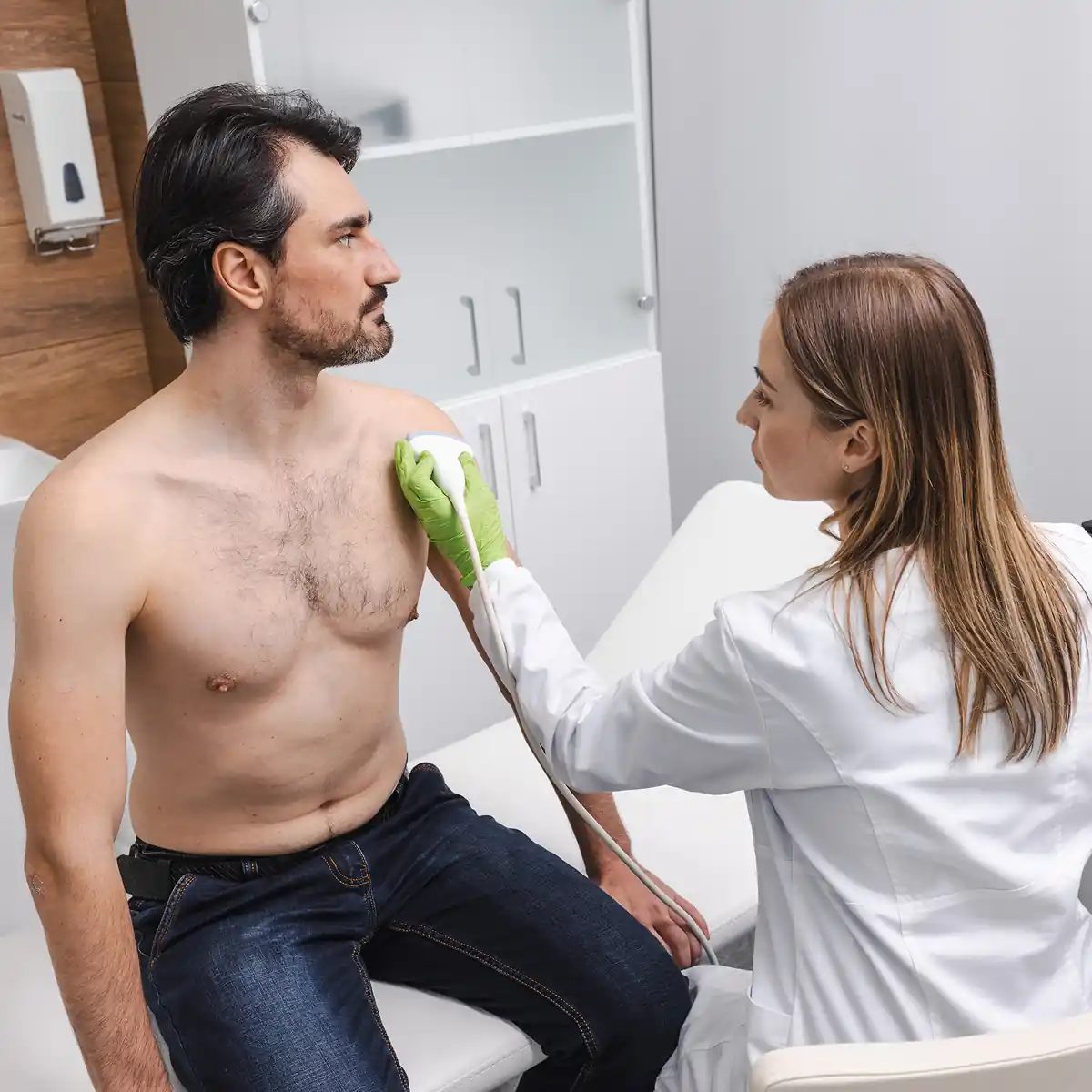
The Anatomy of the Shoulder: Built for Motion, Vulnerable to Injury
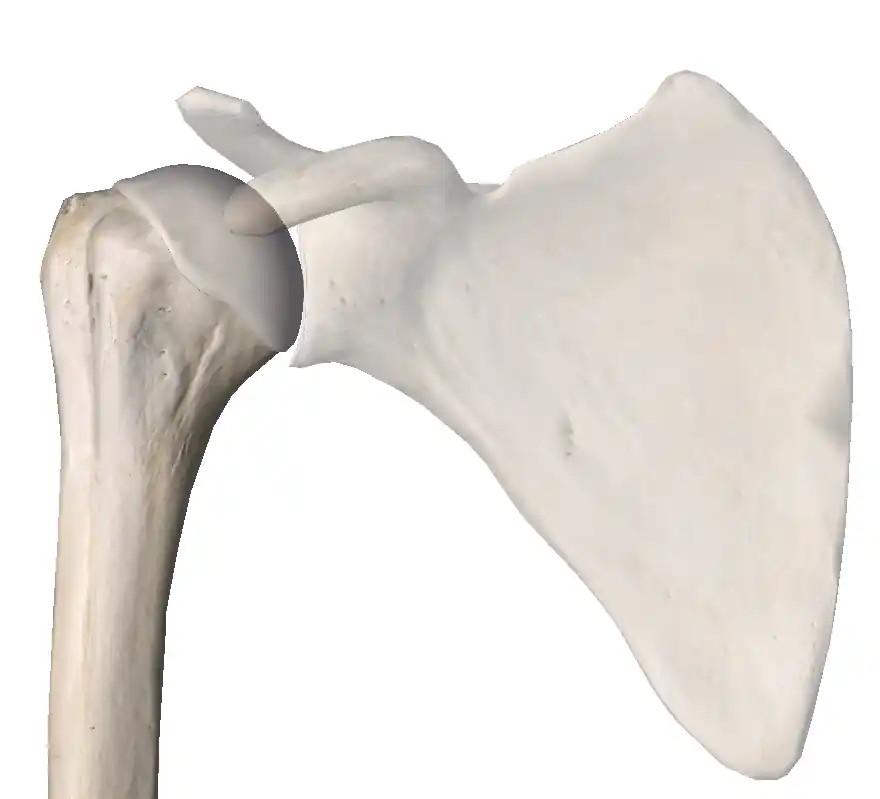
To understand traumatic instability, it's essential to first appreciate the shoulder's unique design. The shoulder is a ball-and-socket joint where the ball-shaped head of the upper arm bone (humerus) fits into a shallow socket on the shoulder blade (glenoid). This shallow socket is what gives the shoulder its incredible range of motion, but it also makes it inherently less stable than a deep-socket joint like the hip.
The shoulder relies on a team of soft tissues to keep it stable:
- The Labrum: A rim of tough cartilage that deepens the socket, acting like a bumper to help hold the ball in place.
- The Joint Capsule and Ligaments: A watertight sac made of strong ligaments that encases the joint, providing stability by limiting excessive movement.
- The Rotator Cuff Muscles: A group of four muscles and their tendons that actively keep the ball centered in the socket during movement.
Traumatic instability occurs when a forceful injury tears or stretches these critical stabilizing structures, compromising the joint's integrity.
The Initial Injury: How Traumatic Instability Begins
Shoulder traumatic instability almost always starts with a specific, memorable injury that causes a shoulder dislocation. This initial event is typically forceful and painful. Common causes include:
- A fall onto an outstretched arm: The force travels up the arm and levers the ball out of the socket.
- A direct blow to the shoulder: This is common in contact sports like football or hockey.
- A forceful, sudden movement: An abrupt twist or pull on the arm can be enough to dislocate the shoulder.
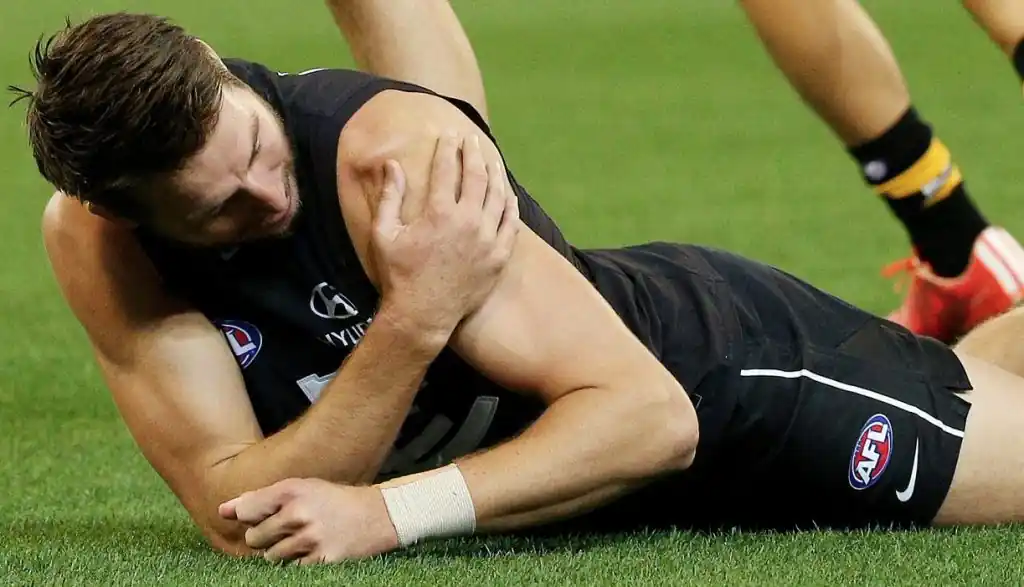
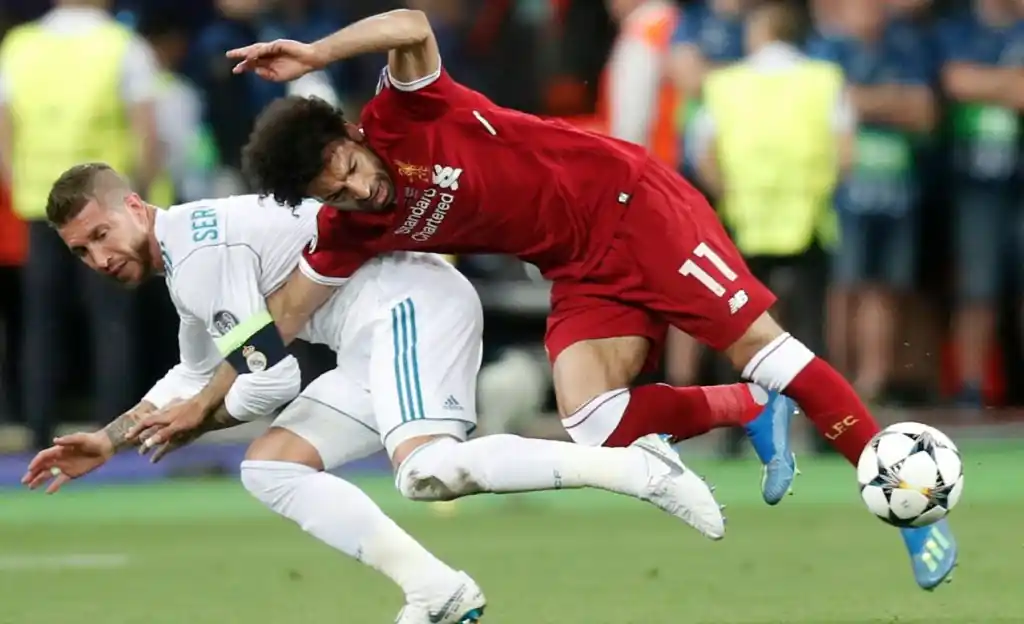
During this traumatic dislocation, significant damage occurs inside the shoulder. As the ball is forced out of the socket, it can tear the surrounding soft tissues. The most common direction for a dislocation is forward (anterior), and this typically causes specific injuries:
- Bankart Lesion: This is a tear of the labrum at the front of the shoulder socket. When the ball dislocates forward, it peels the labrum off the bone. This damages the "bumper" that helps keep the ball contained, making the joint much less stable.
- Stretched Capsule and Ligaments: The force of the dislocation stretches or tears the ligaments of the joint capsule. Like a rubber band that has been overstretched, these ligaments may not return to their original tightness, leaving the shoulder permanently loose.
- Hill-Sachs Lesion: As the ball dislocates, it can crash against the edge of the bony socket. This can create a dent or compression fracture on the back of the ball (the humeral head). This bony defect can make it easier for the shoulder to slip out again in the future.
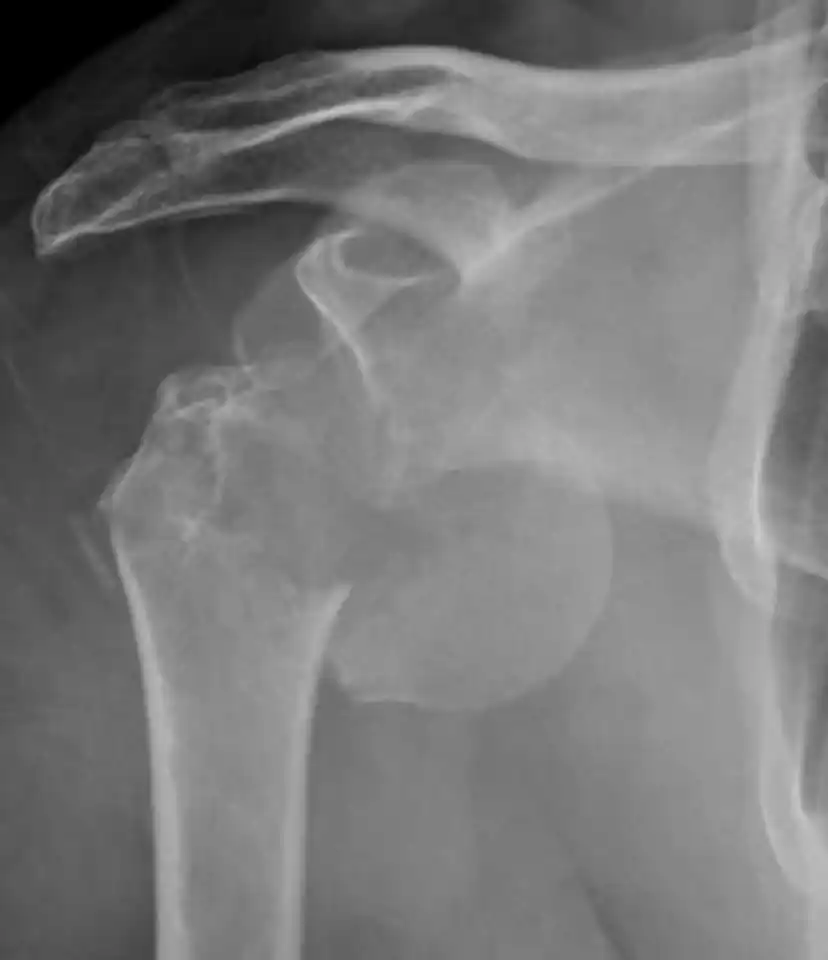
After the initial dislocation is put back in place (a procedure called a reduction), these damaged structures may not heal perfectly. The torn labrum may not reattach firmly, and the stretched ligaments may remain lax. This permanent damage sets the stage for chronic traumatic instability. The shoulder is now structurally compromised and vulnerable to dislocating again.
Symptoms of Shoulder Traumatic Instability
After the initial injury, a person with traumatic instability will experience ongoing symptoms. The shoulder doesn't just feel "back to normal" once the initial pain and swelling subside. The hallmark of the condition is a feeling of looseness and a tendency for the shoulder to slip out of place.
Common symptoms include:
- Recurrent Dislocations or Subluxations: The shoulder may dislocate completely or partially (sublux) again and again. These subsequent events often happen with much less force than the initial injury. A person might dislocate their shoulder simply by reaching for something, rolling over in sleep, or participating in a sport.
- Apprehension: This is a key symptom. It is a distinct and unnerving feeling that the shoulder is about to "give way" or dislocate when the arm is moved into certain positions. Most commonly, this occurs when the arm is raised up and rotated outward, similar to a throwing motion. This sense of apprehension can be so strong that the person instinctively avoids that movement.
- A Feeling of Looseness: Even when it's not dislocating, the shoulder may just feel loose, unstable, or "not right."
- Clicking, Popping, or Grinding: The joint may make noises as the loose humeral head shifts or clunks within the socket.
- Pain: There may be a dull ache in the shoulder, especially after an episode of subluxation or after activities that challenge the shoulder's stability.
- Loss of Confidence in the Shoulder: Perhaps one of the most significant impacts is the psychological one. A person with traumatic instability often loses trust in their shoulder, which can cause them to withdraw from sports and activities they once enjoyed for fear of another painful dislocation.
Typically, traumatic instability is unidirectional, meaning the shoulder tends to slip out in only one direction—usually the same direction as the original injury. For anterior instability, which is the most common, the shoulder feels unstable when the arm is moved up and back.
Who Is at Risk? The Role of Age and Activity
While anyone can develop traumatic instability after a dislocation, certain factors increase the risk of it becoming a chronic problem.
Age is the most significant factor. Young, active individuals who sustain a shoulder dislocation have a very high rate of recurrence. For people under the age of 20, the risk of the shoulder dislocating again can be as high as 90%. This is because their ligaments tend to be more elastic and may not heal as tightly after an injury. They are also more likely to return to high-risk activities and sports that challenge the shoulder.
In contrast, individuals over 40 who dislocate their shoulder are less likely to have recurrent instability. Instead, they are more prone to suffering a rotator cuff tear during the dislocation.
Active participation in contact sports (football, hockey, rugby), collision sports (basketball), and activities involving falls (skiing, gymnastics) also places individuals at a higher risk for both the initial dislocation and subsequent instability.
Diagnosing Shoulder Traumatic Instability
If you are experiencing symptoms of an unstable shoulder after an injury, an orthopedic specialist can provide an accurate diagnosis. The process typically involves:
The combination of your story, the physical exam findings, and the results of the imaging studies allows the doctor to confirm the diagnosis of traumatic instability and understand the exact nature of the damage to your shoulder.
- Medical History: The doctor will ask detailed questions about the initial injury—how it happened, what it felt like, and how it was treated. They will also ask about any subsequent episodes of dislocation or subluxation and the specific movements that make your shoulder feel unstable.
- Physical Examination: The doctor will perform a series of tests to assess the stability of your shoulder. They will check your range of motion and strength. Specific maneuvers, like the "apprehension test," are used to gently move your arm into the position of instability to see if it reproduces your symptoms of fear or slipping. These tests help confirm the direction and severity of the instability.
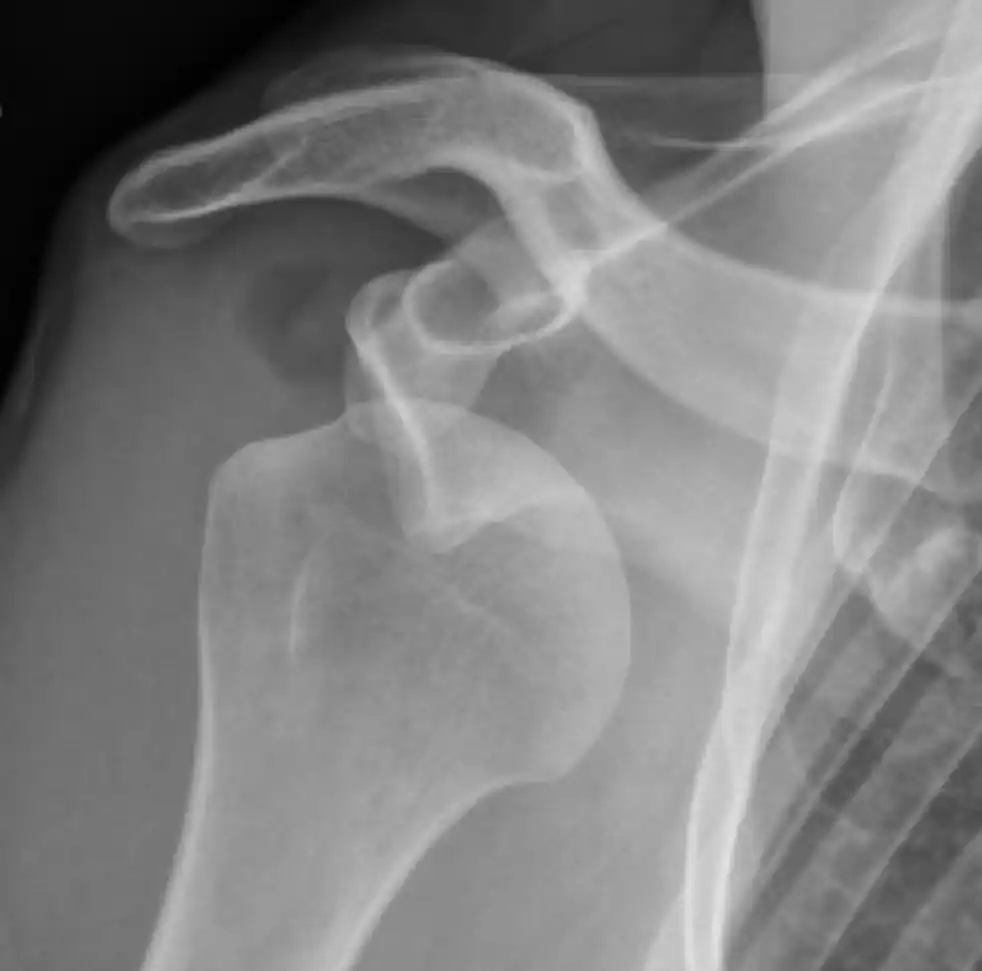
- Imaging Studies: Imaging is crucial for confirming the diagnosis and identifying the specific structural damage.
- X-rays: These are used to look for any bone damage, such as a Hill-Sachs lesion on the humeral head or a fracture of the glenoid socket rim.
- Magnetic Resonance Imaging (MRI): An MRI provides detailed images of the soft tissues. It is excellent for visualizing a torn labrum (Bankart lesion) and assessing the condition of the ligaments. Sometimes, a special dye is injected into the joint before the MRI (an MR arthrogram) to better highlight a labral tear.
Living with an Unstable Shoulder
Living with shoulder traumatic instability can be a frustrating and limiting experience. The constant threat of dislocation can have a profound impact on a person's life.
- Impact on Sports: Athletes may be unable to compete at their previous level. A quarterback may be afraid to throw a pass, a swimmer unable to complete a stroke, or a weightlifter unable to perform overhead lifts.
- Impact on Daily Life: The instability can interfere with simple tasks. Reaching for an item on a high shelf, putting on a coat, or even a sudden, unguarded movement can trigger a subluxation. Sleep can be disrupted if the shoulder slips out of place while rolling over.
- Psychological Impact: The fear of another painful dislocation can lead to anxiety and a reluctance to use the affected arm. This loss of confidence can be just as debilitating as the physical symptoms.
It is important not to ignore these symptoms. Each time the shoulder dislocates or subluxes, it can cause additional wear and tear on the cartilage and further stretch the ligaments, potentially making the instability worse over time and increasing the risk of developing arthritis in the shoulder later in life.
Conclusion
Shoulder traumatic instability is more than just a "loose shoulder"; it is a specific condition caused by structural damage from a significant injury. It begins with a traumatic dislocation that tears the labrum and stretches the ligaments, leaving the joint vulnerable. The resulting symptoms of recurrent dislocation, apprehension, and a feeling of looseness can significantly impact a person's quality of life.
The good news is that this is a well-understood orthopedic condition. If you are struggling with an unstable shoulder, help is available. Consulting an orthopedic specialist is the first step toward getting an accurate diagnosis and understanding your options. A comprehensive evaluation will determine the extent of the damage and guide a plan to help you regain stability, restore confidence, and return to the activities you love.
Frequently Asked Questions
What is the difference between traumatic and atraumatic instability?
Traumatic instability is caused by a specific, significant injury (like a dislocation from a fall) that tears the shoulder's stabilizing structures. Atraumatic instability occurs in people who are naturally "loose-jointed" (hypermobile) and whose shoulders become unstable without a major injury, often from repetitive strain or just due to their inherent ligament laxity.
If my shoulder dislocated once, does that mean I have traumatic instability?
A single dislocation is the event that causes traumatic instability, but the term usually refers to the chronic condition that follows. If, after your first dislocation, your shoulder feels loose, slips out of place again, or you feel apprehension, then you likely have traumatic instability.
Can traumatic instability heal on its own?
The torn structures, like the labrum (Bankart tear), do not typically heal back to their original position and strength on their own. While physical therapy can strengthen the surrounding muscles to help compensate and improve stability, the underlying structural damage remains. This is why the shoulder often remains prone to re-dislocation.
What is a Bankart tear?
A Bankart tear, or Bankart lesion, is a tear of the labrum at the front of the shoulder socket. It is the most common injury that occurs during an anterior shoulder dislocation and is a primary reason why the shoulder becomes unstable afterward.
Why is my shoulder more likely to dislocate again if I'm young?
Younger individuals (under 25) have a much higher rate of re-dislocation after a traumatic injury. This is partly because their ligaments are naturally more elastic and may not heal as tightly, and they are statistically more likely to return to high-risk sports and activities that challenge the repaired tissues before they are fully robust.
Is surgery the only way to fix traumatic instability?
Surgery is not the only option, but it is often considered, especially for young, active individuals with a clear structural tear (like a Bankart lesion) and recurrent instability. The decision is highly individualized. Non-surgical management focuses on intensive physical therapy to strengthen the rotator cuff and other shoulder muscles to act as dynamic stabilizers. Your orthopedic specialist will discuss the best approach for your specific situation, age, and activity goals.
Can I prevent my shoulder from dislocating again?
After a first-time dislocation, a dedicated rehabilitation program is crucial to strengthen the muscles around the shoulder, which can help reduce the risk of it happening again. However, if there is significant structural damage, avoiding certain high-risk movements (like extreme overhead rotation) may be the only way to prevent another episode without surgical repair.