Understanding Trapezius Strain: A Patient's Guide
A trapezius strain is an injury to the large, powerful trapezius muscle, which spans your upper back, neck, and shoulders. Often called a "pulled trap," this injury occurs when the muscle fibers are overstretched or torn. Because the trapezius is essential for moving your head, neck, and shoulders, a strain can cause significant pain, stiffness, and discomfort that interferes with daily activities.
This guide provides a comprehensive, high-level overview of trapezius strains. We will explore the anatomy of the muscle, what a strain is, its common causes, the symptoms you might experience, and how doctors diagnose the condition. We will also discuss recovery expectations and tips for prevention. This information is intended to be educational and is not a substitute for professional medical advice.
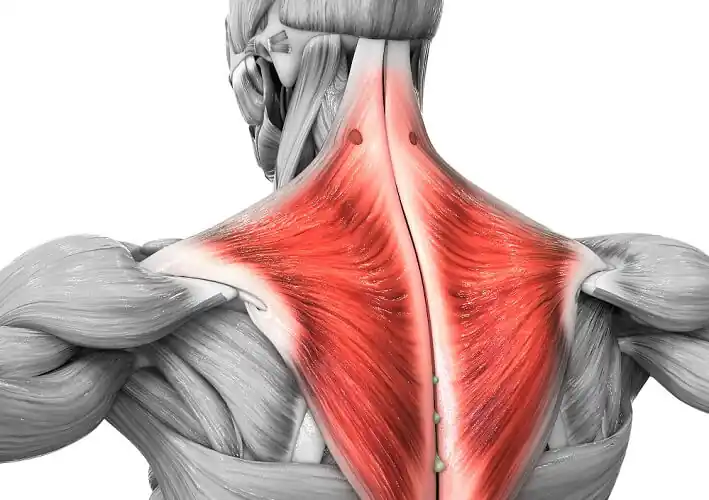
The Trapezius Muscle: Anatomy and Function
To understand a trapezius strain, it helps to first know about the muscle itself. The trapezius is a large, flat, trapezoid-shaped muscle that covers a significant portion of your upper back and neck. You have two trapezius muscles, one on each side of your spine, which together form a diamond or kite shape.
Each trapezius muscle is divided into three sections—upper, middle, and lower—and it attaches to the base of your skull, your neck vertebrae, your shoulder blades, and your collarbone.
The trapezius muscle is critical for many movements, including:
- Moving and Supporting the Shoulders: It allows you to shrug your shoulders up, pull them down, and squeeze your shoulder blades together.
- Moving the Head and Neck: The upper fibers help you tilt and turn your head, look up, and extend your neck.
- Maintaining Good Posture: The trapezius works to keep your upper back and neck straight, counteracting the pull of gravity and helping to keep your shoulders back.
- Assisting Arm Movements: By stabilizing the shoulder blades, the trapezius provides a solid base for you to lift your arms, throw, or carry objects.
Given its constant involvement in posture and movement, the trapezius is susceptible to injury from both sudden trauma and chronic overuse.
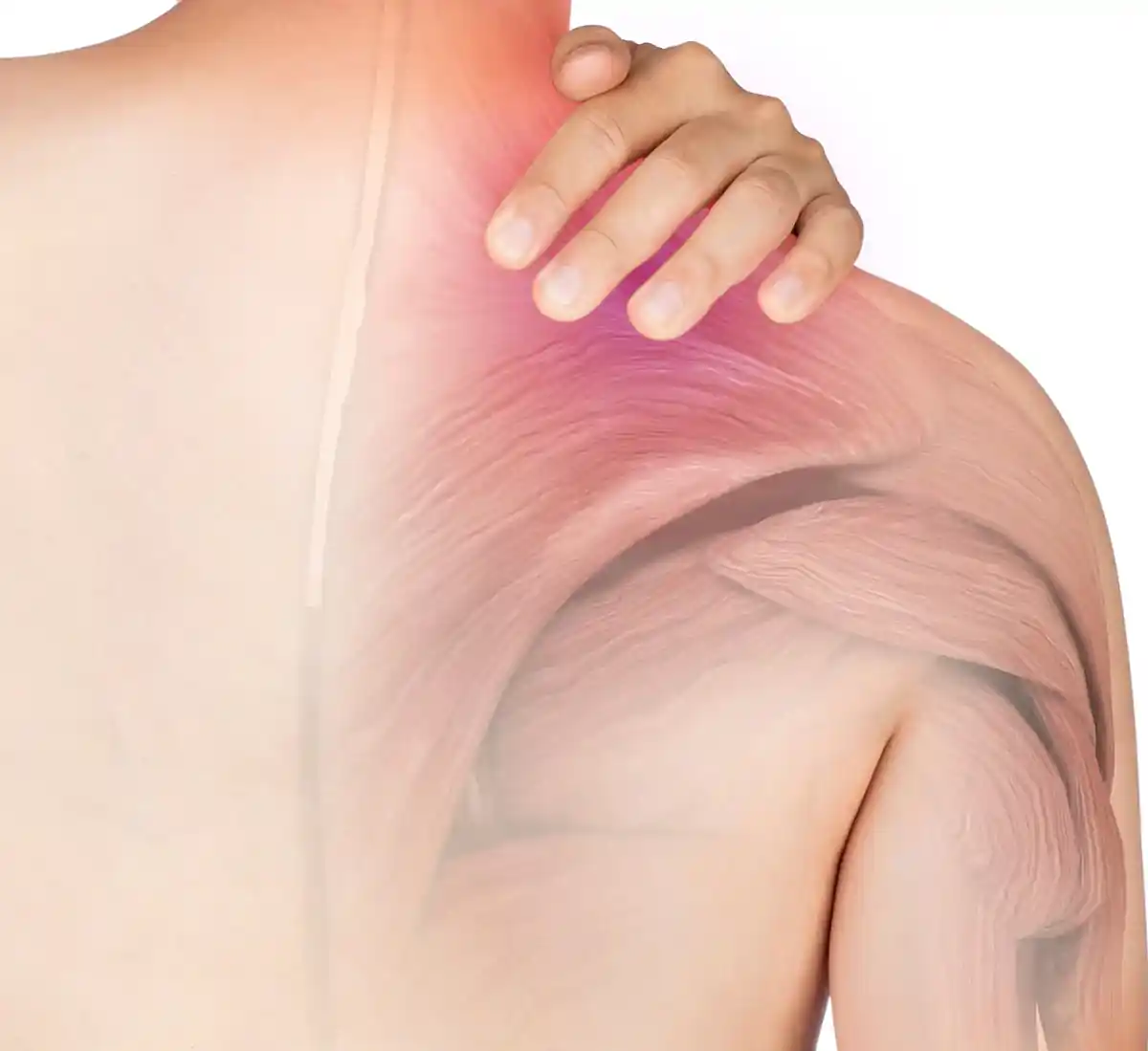
What is a Trapezius Strain?
A trapezius strain is what most people would call a "pulled" muscle. Medically, a strain is an injury in which the muscle fibers have been stretched too far or have torn. This can range from microscopic tears in a few fibers to a complete rupture of the muscle.
It is important to distinguish a strain from a sprain. A strain affects a muscle or its connecting tendon, while a sprain is an injury to a ligament (which connects bone to bone). An injury to the trapezius is always a strain.
Healthcare providers often classify muscle strains into three grades based on their severity:
- Grade I (Mild): This involves the overstretching of muscle fibers with very minor tearing. You may feel some soreness, tightness, and mild pain, but your strength and range of motion are mostly unaffected.
- Grade II (Moderate): This is a partial tear of the muscle. A significant number of fibers are damaged, leading to more intense pain, noticeable weakness, and limited ability to move your neck and shoulders. Swelling and bruising may also occur.
- Grade III (Severe): This is a complete tear or rupture of the muscle or its tendon. This is a serious injury that causes immediate, severe pain and a loss of muscle function. You might see a visible gap or lump in the muscle, along with significant swelling. Grade III trapezius strains are rare but require prompt medical care.
Most trapezius strains are mild to moderate (Grade I or II). Regardless of the grade, the injury can be quite painful and disruptive to daily life.
Common Causes of a Trapezius Strain
A trapezius strain can occur suddenly from an acute injury or develop gradually from repetitive stress and overuse.
Acute Injuries
An acute strain happens all at once, usually due to a sudden, forceful event.
- Accidents or Impacts: A fall, a car accident (whiplash), or a direct blow during a contact sport like football can forcibly stretch or tear the trapezius.
- Sudden Lifting or Twisting: Jerking a heavy object off the ground or making a sudden, violent twist of the upper body can overload the muscle and cause an immediate strain.
- Sports-Related Trauma: Awkward landings in gymnastics, tackles, or other high-impact athletic movements can lead to an acute trapezius injury.
With an acute injury, you will typically feel immediate pain and stiffness at the moment the strain occurs.
Overuse and Repetitive Strain
Many trapezius strains are the result of chronic, repetitive stress that doesn't allow the muscle to rest and recover.
- Poor Posture: This is a very common cause. Spending hours sitting at a desk with a forward-head posture or hunched shoulders puts the trapezius under constant tension, leading to fatigue and micro-tears over time.
- Repetitive Motions: Activities that involve repetitive arm or shoulder movements can overwork the muscle. This includes typing, using a computer mouse, playing an instrument like the violin, or swimming long distances.
- Carrying Heavy Loads: Regularly carrying a heavy backpack, purse, or briefcase on one shoulder puts an uneven and sustained load on the trapezius, which can lead to strain.
- Repetitive Overhead Work: Jobs or hobbies that require frequent reaching or working overhead, such as painting, construction, or weightlifting, can cause cumulative damage to the muscle.
- Emotional Stress: Many people unconsciously tense their neck and shoulder muscles when they are stressed. This chronic tension can fatigue the trapezius and lead to painful knots and strains, even without any physical exertion.
In cases of overuse, the pain often develops gradually, starting as a dull ache and becoming more persistent and intense over days or weeks.
Symptoms of a Trapezius Strain
The symptoms of a trapezius strain depend on the severity of the injury but typically involve pain and stiffness in the upper back, neck, and shoulder area.
Common symptoms include:
- Pain and Aching: You may feel a dull, aching, or burning pain in the muscle between your neck and shoulder. The pain can become sharp with certain movements.
- Stiffness and Tightness: The muscle may feel tight, making it difficult to move your neck or shoulders freely. You might wake up with a stiff neck and have trouble looking over your shoulder.
- Muscle Spasms or "Knots": An injured trapezius often develops painful muscle spasms. These can feel like hard, tender knots in the muscle, particularly in the upper shoulder area.
- Tenderness to Touch: The affected area of the muscle will likely be sore when you press on it.
- Swelling or Bruising: In moderate to severe strains, you may notice some swelling. Bruising can appear if blood vessels were torn, especially after a direct blow.
- Headaches: Tension in the upper trapezius can refer pain to the base of the skull, causing tension headaches.
- Reduced Range of Motion: Pain and stiffness can make it difficult to shrug your shoulders, lift your arm overhead, or turn and tilt your head.
- Shoulder or Arm Weakness: A significant strain can make the affected arm feel weak, and you may struggle to lift objects.
If you experience more alarming symptoms like numbness, tingling down your arm, or significant weakness in your hand, it could indicate a more serious issue like a pinched nerve and should be evaluated by a doctor.
How a Trapezius Strain is Diagnosed
Diagnosing a trapezius strain is usually a straightforward process based on your symptoms and a physical exam.
- Medical History: Your doctor will ask about when your pain started, whether it came on suddenly or gradually, and what activities might have caused it. They will also inquire about your job, hobbies, and any previous injuries.
- Physical Examination: The doctor will examine your neck, shoulders, and upper back. They will press on the trapezius muscle to locate tender spots or knots. They will then assess your range of motion by asking you to move your head and shoulders in different directions.
- Strength Testing: You may be asked to push against the doctor's hand (for example, by shrugging your shoulders) to test the strength of the trapezius. Pain or weakness during these tests helps confirm a strain.
- Neurological Check: To rule out a nerve issue, your doctor might check your reflexes and sensation in your arms and hands.
In most cases, imaging tests are not needed. However, if a severe injury like a complete tear or a fracture is suspected, your doctor might order an X-ray to check the bones or an MRI to get a detailed look at the muscle tissue.
Recovery and Outlook
The good news is that the prognosis for a trapezius strain is excellent. Most people recover fully with time and proper care. The recovery timeline depends on the severity of the strain:
- Grade I (Mild) Strains: These usually heal within a few weeks, often in about 2 to 3 weeks.
- Grade II (Moderate) Strains: Partial tears take longer to mend. Recovery can take several weeks to a couple of months.
- Grade III (Severe) Strains: A complete rupture is a serious injury that may require many months to heal and, in some cases, may involve surgical repair.
During recovery, it is crucial to listen to your body and not rush back into activities that cause pain. Returning to sports or heavy work too soon can easily lead to re-injury. Your healthcare provider can guide you on a safe and gradual return to your normal activities.
How to Prevent Trapezius Strains
Preventing a trapezius strain is all about reducing unnecessary stress on the muscle and keeping it strong and flexible.
- Practice Good Posture: Be mindful of your posture throughout the day. Sit and stand up straight, with your shoulders relaxed and down, not hunched forward.
- Create an Ergonomic Workspace: Adjust your chair, desk, and computer monitor to support good posture. Use a headset for phone calls to avoid cradling the phone with your shoulder.
- Take Regular Breaks: If you sit for long periods, get up, move, and stretch every 30 minutes. Shoulder rolls and neck stretches can relieve tension.
- Strengthen and Stretch: Incorporate exercises to strengthen your upper back and shoulders into your fitness routine. Regular stretching will keep the muscle flexible and less prone to injury.
- Warm Up Properly: Before any vigorous exercise or physical labor, always warm up your muscles to increase blood flow and prepare them for activity.
- Use Proper Lifting Technique: When lifting heavy objects, use your legs and keep your back straight. Avoid twisting while lifting.
- Manage Stress: Since stress leads to muscle tension, practicing relaxation techniques like deep breathing or meditation can help prevent your trapezius from becoming chronically tight.
By adopting these habits, you can significantly reduce your risk of developing a painful trapezius strain and help keep your neck and shoulders healthy for the long term.
Video Resource
The following video provides a helpful visual overview of the trapezius muscle and the management of trapezius strain.
Frequently Asked Questions
How do I know if I have a trapezius strain or just a sore muscle?
General muscle soreness from a workout usually affects both sides of the body, peaks around 48 hours, and improves with light activity. A strain is often more localized to one side, can be sharper, and is typically made worse by specific movements. If the pain is persistent, severe, or limits your motion, it is more likely a strain.
Can stress really cause a trapezius strain?
Yes. Chronic emotional stress causes many people to unconsciously clench their jaw and hunch their shoulders. This sustained muscle contraction can fatigue the trapezius and lead to micro-tears, resulting in a strain or chronic pain known as trapezius myalgia.
Should I use ice or heat for a trapezius strain?
For an acute injury (the first 48-72 hours), ice is generally recommended to reduce inflammation and numb the pain. For chronic tightness or soreness that is not from a recent injury, heat can help relax the muscle and increase blood flow.
Is it okay to massage a strained trapezius?
Gentle massage can be beneficial for relieving tension and increasing circulation in a mildly strained or chronically tight trapezius. However, deep or aggressive massage on an acute, moderate-to-severe strain could worsen the injury. It is best to consult with a healthcare professional first.
How should I sleep with a trapezius strain?
Try to sleep on your back with a supportive pillow under your neck or on your side with a pillow that keeps your head and neck in a neutral position. Avoid sleeping on your stomach, as this forces you to turn your head to one side, which can further strain the neck and trapezius.
When should I see a doctor for trapezius pain?
You should see a doctor if the pain is severe, resulted from a significant accident, or is accompanied by symptoms like numbness, tingling, or weakness in your arm or hand. You should also seek medical advice if the pain does not improve after a week of self-care or if it interferes with your daily life.