Understanding Thoracic Outlet Syndrome (TOS)
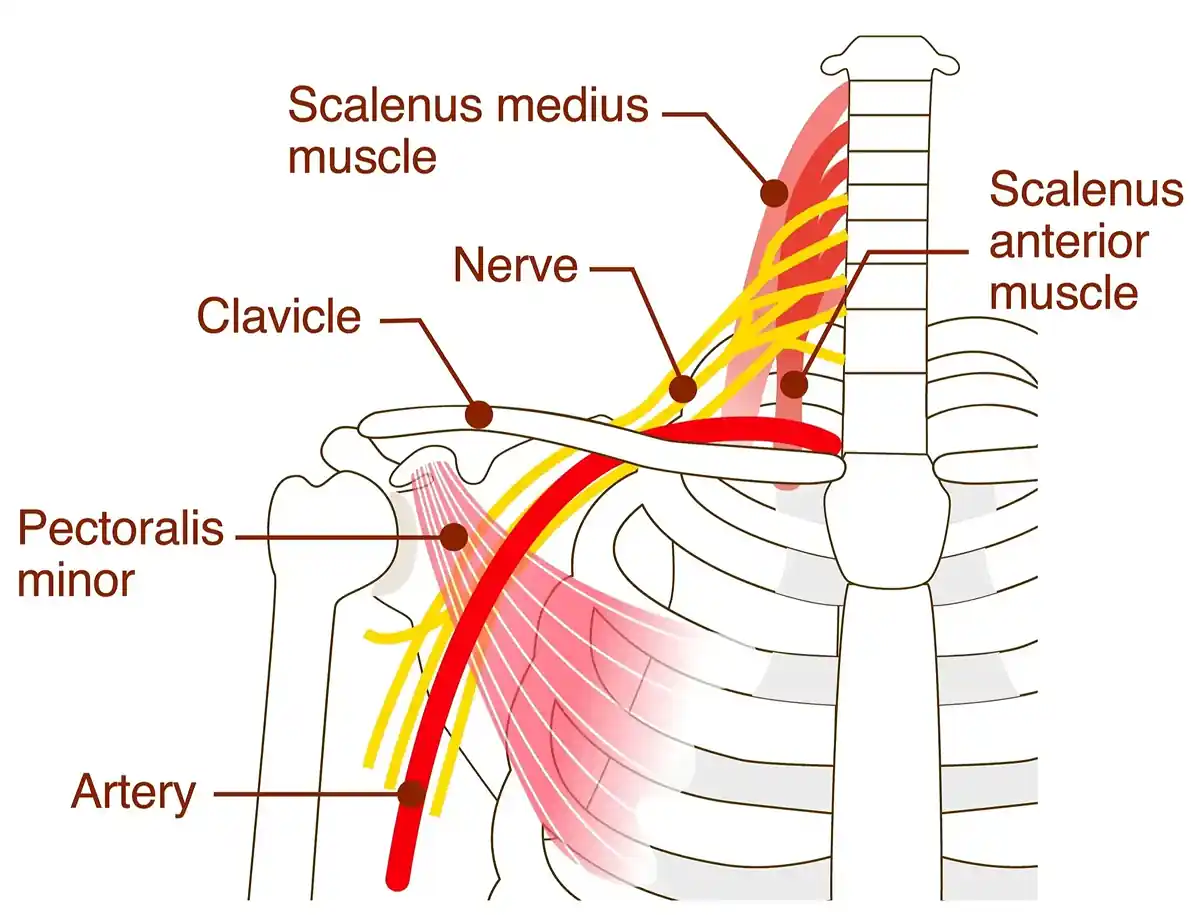
Thoracic outlet syndrome, often called TOS, is a group of disorders that occur when the nerves or blood vessels in the space between your collarbone and your first rib are compressed. This narrow passageway is known as the thoracic outlet. It’s a crowded area, home to the brachial plexus (a network of nerves that controls your arm and hand) and the major blood vessels (the subclavian artery and vein) that supply your arm. When this space becomes too narrow, it can put pressure on these vital structures, leading to a variety of symptoms, most commonly pain in the neck and shoulder, and numbness or tingling in the arm and fingers.
TOS can be challenging to diagnose because its symptoms often overlap with other, more common conditions. It typically affects adults between their 20s and 50s and can be caused by a range of factors, from physical trauma to repetitive job-related strain. Understanding the different types of TOS, what causes it, and how it presents is the first step toward getting an accurate diagnosis and finding a path to relief. This guide offers a comprehensive, patient-friendly look at this complex condition.
The Different Types of Thoracic Outlet Syndrome
TOS is not a single entity but is categorized into different types based on which structures in the thoracic outlet are being compressed.
- Neurogenic Thoracic Outlet Syndrome: This is by far the most common type, accounting for about 90-95% of all cases. It occurs when the brachial plexus nerves are compressed. This form of TOS is what most people are referring to when they talk about the condition. It typically causes neurological symptoms like pain, weakness in the arm or hand, and tingling or numbness in the fingers. Neurogenic TOS is often associated with repetitive strain or a past injury, like whiplash.
- Venous Thoracic Outlet Syndrome: Much less common, this type makes up only about 3-5% of cases. It happens when the subclavian vein, the major vein that drains blood from the arm, is compressed. This can lead to the formation of a blood clot, a condition known as "effort thrombosis" or Paget-Schroetter syndrome. Symptoms are often dramatic and sudden, including significant arm swelling, a heavy or aching feeling, and a bluish discoloration of the skin. It tends to affect young, active individuals, particularly men, who perform strenuous, repetitive overhead arm movements.
- Arterial Thoracic Outlet Syndrome: This is the rarest and most serious form, accounting for only about 1% of cases. It involves compression of the subclavian artery, which supplies oxygenated blood to the arm. This type is often caused by a congenital bony abnormality, such as an extra rib in the neck (a "cervical rib"). The compression can damage the artery, leading to a bulge (aneurysm) or blood clots that can block blood flow to the arm and hand. Symptoms can include a cold, pale hand, pain in the arm with activity, and non-healing sores on the fingers.
Sometimes, you may hear the term "vascular TOS," which is a general term that includes both the venous and arterial types. The vast majority of people diagnosed with TOS have the neurogenic form.
What Causes Thoracic Outlet Syndrome?
There isn't one single cause of TOS. Instead, it's usually the result of factors that narrow the thoracic outlet space. These causes can be congenital (something you're born with), traumatic (from an injury), or functional (related to how you use your body).
Congenital (Anatomical) Causes:
Some people are simply born with a tighter thoracic outlet. This can be due to:
- A Cervical Rib: About 1% of the population has an extra rib that grows from the base of the neck. While many people with a cervical rib have no symptoms, it can crowd the space and predispose them to TOS.
- Abnormal Muscles or Ligaments: Some individuals may have an extra muscle or an unusually tight fibrous band in the neck area that can press on the nerves and blood vessels.
- Irregular Bone Shape: An abnormally shaped first rib or collarbone can also reduce the space in the thoracic outlet.
Traumatic Causes:
A sudden injury can trigger TOS, sometimes months or years later, by causing scar tissue or inflammation that narrows the outlet.
- Whiplash: A neck injury from a car accident is a well-known trigger.
- Fractures: A broken collarbone (clavicle) or first rib that doesn't heal perfectly can alter the anatomy and lead to compression.
- Repetitive Micro-trauma: Even small, repeated injuries from overuse can cause inflammation and scarring that contribute to the problem.
Functional (Acquired) Causes:
These causes develop over time due to your posture, activities, or physical condition.
- Repetitive Overhead Motions: This is a classic trigger. Athletes who do a lot of overhead movements (swimmers, baseball pitchers, volleyball players) and people whose jobs require reaching up frequently (painters, electricians, stock clerks) are at higher risk. The repetitive motion can cause the neck and shoulder muscles to become enlarged or tight, squeezing the nerves.
- Poor Posture: Chronically slouching or having "forward head posture" causes the shoulders to droop forward, which narrows the space between the collarbone and the first rib, putting pressure on the structures within the thoracic outlet.
- Weightlifting or Muscle Gain: Building up large neck and chest muscles can sometimes crowd the thoracic outlet.
- Weight Gain: Significant weight gain can also add tissue to the area, contributing to compression.
- Pregnancy: Hormonal changes and shifts in posture during pregnancy can sometimes bring on TOS symptoms, which may or may not resolve after delivery.
Often, TOS results from a combination of these factors. For instance, a person with a naturally narrow outlet might be symptom-free until they start a new job with repetitive overhead work, which then triggers the condition.
Recognizing the Symptoms of TOS
The symptoms of TOS can be vague and vary greatly from person to person, depending on what is being compressed. They are typically felt on one side of the body.
A common feature is that symptoms often worsen with certain positions, particularly when raising the arm overhead. Activities like brushing your hair, reaching for an item on a high shelf, or even driving can bring on or intensify the pain, numbness, or tingling.
Symptoms of Neurogenic TOS (Nerve Compression):
Since this is the most common type, these are the symptoms most people with TOS experience.
- Aching pain in the neck, shoulder, or arm.
- Numbness, tingling, or "pins and needles" in the arm or fingers. This often affects the pinky and ring fingers, as the lower part of the brachial plexus is frequently involved.
- Weakness in the hand or arm. You might notice a weak grip or find yourself dropping things.
- In severe, long-term cases, the small muscles in the hand may begin to waste away (atrophy).
Symptoms of Venous TOS (Vein Compression):
These symptoms are usually more sudden and obvious.
- Significant swelling (edema) in the entire arm and hand.
- A feeling of heaviness or tightness in the arm.
- A bluish discoloration of the skin (cyanosis).
- Visible, prominent veins across the shoulder and chest as blood tries to find a new path back to the heart.
Symptoms of Arterial TOS (Artery Compression):
This is the rarest type, but its symptoms can be very serious.
- A cold feeling and paleness in the hand or fingers.
- Pain in the arm or hand, especially with activity.
- A weak or absent pulse in the affected wrist.
- Small, painful sores or black spots on the fingertips that won't heal.
- A pulsating lump may be felt just above the collarbone, indicating an aneurysm.
If you experience sudden arm swelling with discoloration, or a sudden cold, pale hand, you should seek immediate medical attention, as these can be signs of a vascular emergency.
How Thoracic Outlet Syndrome is Diagnosed
Diagnosing TOS can be tricky because there is no single test that definitively confirms it. Instead, doctors rely on a combination of a thorough clinical evaluation and tests that help rule out other conditions.
- Medical History and Physical Exam: This is the most important part of the diagnosis. Your doctor will ask detailed questions about your symptoms, your job, your activities, and any past injuries. They will then perform a physical exam, which includes provocative maneuvers. These are specific tests where you move your arms and neck into different positions to see if your symptoms can be reproduced. For example, the doctor might have you hold your arms up and open and close your fists (the Roos test) to check for pain or tingling.
- Ruling Out Other Conditions: Because the symptoms of TOS mimic many other problems, your doctor will need to exclude them. These can include a pinched nerve in the neck (from a herniated disc), carpal tunnel syndrome, or rotator cuff problems. This may involve specific tests for those conditions.
- X-rays: An X-ray of your neck and chest can identify any bony abnormalities, such as a cervical rib.
- Ultrasound: A duplex ultrasound is very useful for vascular TOS. It can show blood flow through the subclavian artery and vein and can detect compression when you move your arm into different positions.
- Nerve Conduction Studies and EMG: These tests measure nerve and muscle function. They can sometimes show nerve damage consistent with neurogenic TOS, but it's important to know that these tests can be normal in many people with the condition.
- MRI or CT Scans: These advanced imaging tests can provide detailed views of the soft tissues and bones in the thoracic outlet. They can help identify things like fibrous bands, muscle abnormalities, or tumors. Special versions called MRA (for arteries) or MRV (for veins) can be used to visualize the blood vessels.
- Diagnostic Injections: In some difficult cases of suspected neurogenic TOS, a doctor might inject a numbing agent into the scalene muscles in the neck. If this provides temporary relief of your symptoms, it strongly suggests those muscles are part of the problem.
Ultimately, diagnosing TOS is often a process of elimination and pattern recognition, performed by a specialist who is experienced with the condition.
Is Thoracic Outlet Syndrome Serious?
The seriousness of TOS depends on the type. Neurogenic TOS, while painful and disabling, is not life-threatening. However, if left untreated, it can lead to permanent nerve damage and muscle wasting in the arm and hand. Vascular TOS (both venous and arterial) is considered more serious because of the potential for complications. A blood clot from venous TOS can travel to the lungs (a pulmonary embolism), which is a medical emergency. Arterial TOS can compromise blood flow to the arm, which in extreme cases could threaten the limb. Fortunately, with prompt diagnosis and proper management, these serious complications can usually be avoided.
Frequently Asked Questions
Can thoracic outlet syndrome be cured?
Many people with TOS experience significant improvement or complete resolution of their symptoms, especially with the neurogenic type. Conservative management, primarily physical therapy, is effective for a majority of patients. For vascular TOS or severe neurogenic TOS that doesn't respond to therapy, surgical procedures may be an option to create more space in the outlet.
What kind of doctor should I see for TOS?
Because TOS can be complex, it's often best to see a specialist. This could be an orthopedic surgeon, a vascular surgeon, or a neurologist with experience in the condition. Your primary care doctor can be a good starting point for a referral.
Is the pain in my arm from TOS or a heart attack?
While both can cause arm pain, there are key differences. Heart-related pain is often triggered by physical exertion like walking and may be accompanied by shortness of breath or chest pressure. TOS pain is typically triggered by arm position (like reaching overhead) and is not related to cardiovascular exercise. However, if you have any doubt, especially with sudden chest or arm pain, treat it as an emergency and seek immediate medical help.
Can my posture really cause this?
Yes. Chronic poor posture, such as slouching with your head and shoulders slumped forward, narrows the thoracic outlet. Over many years, this can irritate and compress the nerves and blood vessels, leading to TOS. Improving your posture is a key part of managing the condition.
I'm an athlete. If I have TOS, does that mean my career is over?
Not necessarily. Many athletes with TOS are able to return to their sport after successful management. It often requires a period of rest, intensive physical therapy to correct muscle imbalances and improve mechanics, and possibly modifications to their training or technique.
What is a cervical rib?
A cervical rib is an extra rib that some people are born with, located in the neck region just above the first rib. While most people with a cervical rib never have problems, it can reduce the space in the thoracic outlet and is a known risk factor for developing TOS, particularly the arterial type.
Why do my hands get numb when I sleep? Could it be TOS?
It could be. Sleeping with your arms raised overhead is a position that can compress the thoracic outlet and trigger TOS symptoms. However, numb hands at night can also be caused by other conditions, such as carpal tunnel syndrome or simply pressure on a nerve from an awkward sleeping position. A medical evaluation can help determine the cause.