Understanding Shoulder Crystal Arthritis
Waking up to a sudden, intensely painful, and swollen shoulder can be an alarming experience. When there’s no obvious injury, it’s natural to wonder what could be causing such severe symptoms. One possible culprit is a condition known as crystal arthritis. This type of arthritis occurs when microscopic crystals form and deposit within a joint, triggering a powerful inflammatory response from the body.
This page will provide a detailed, patient-friendly overview of shoulder crystal arthritis. We will explore the two main types—gout and pseudogout—explaining what causes them, their symptoms, how they are diagnosed, and their potential long-term effects on the shoulder. The goal is to offer clarity and understanding for those who may be experiencing this condition. Please note, this guide focuses on explaining the condition itself and will not cover specific treatment options, which should be discussed with a healthcare provider.
What is Crystal Arthritis?
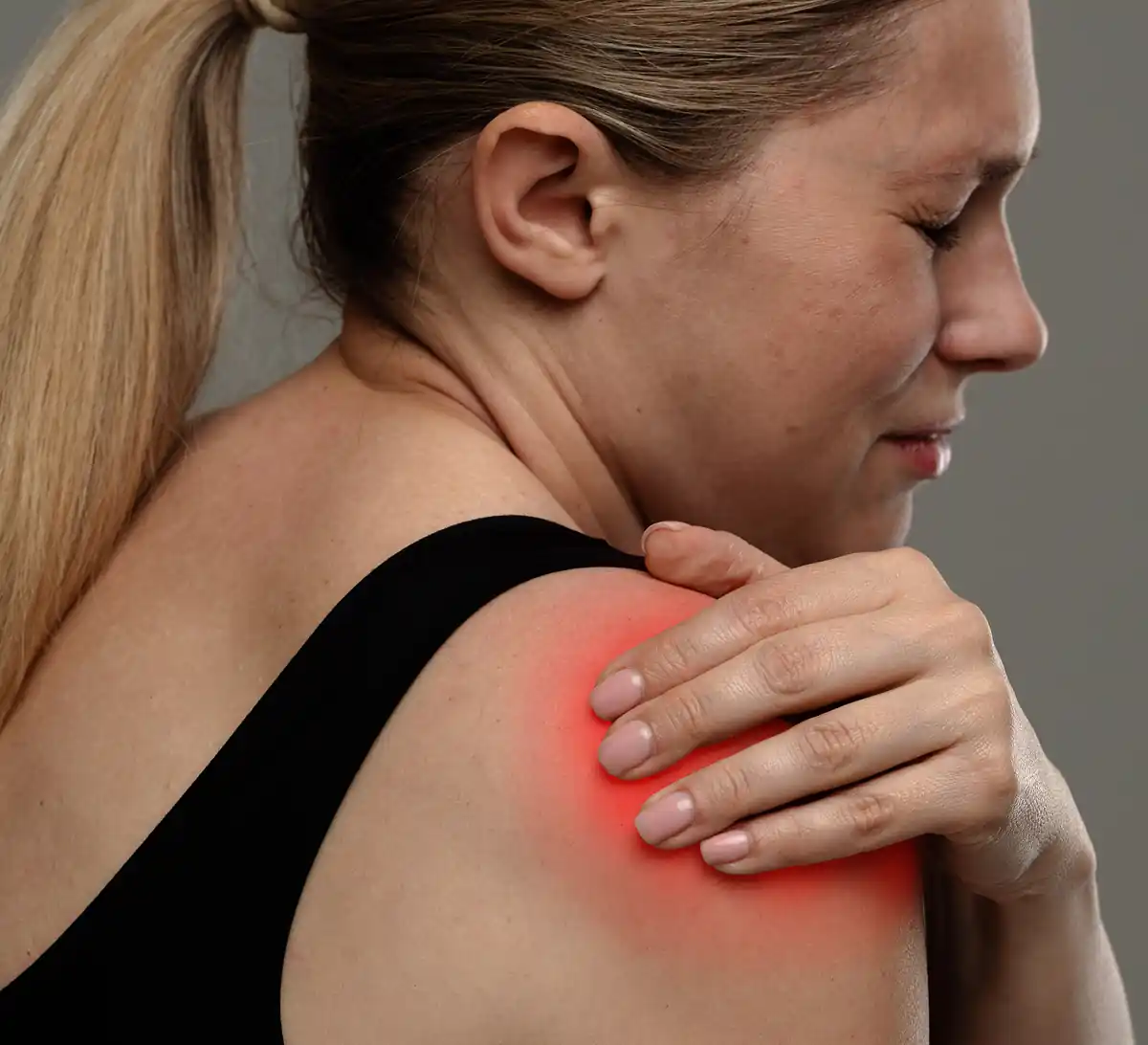
Crystal arthritis, also known as crystal-induced arthritis or microcrystalline arthritis, is a category of joint disease caused by the presence of tiny mineral crystals in or around a joint. The body’s immune system sees these crystals as foreign invaders and launches an aggressive attack. This inflammatory response leads to the classic signs of an arthritis flare: intense pain, swelling, warmth, redness, and stiffness in the affected joint.
In the shoulder, two main types of crystals are responsible for this condition:
- Uric Acid Crystals: These needle-shaped crystals cause a well-known condition called gout.
- Calcium Pyrophosphate Crystals: These rhomboid-shaped crystals cause a condition officially named Calcium Pyrophosphate Dihydrate (CPPD) crystal deposition disease, but it is more commonly known as pseudogout.
While both conditions can cause similar-looking attacks of severe shoulder inflammation, they have different underlying causes, risk factors, and long-term implications. Distinguishing between them is crucial for proper management and is typically done by analyzing fluid drawn from the affected joint.
Gout in the Shoulder: A Rare Occurrence
Gout is a form of inflammatory arthritis caused by high levels of uric acid in the blood, a condition called hyperuricemia. Uric acid is a natural waste product created when the body breaks down purines, which are substances found in our cells and in many foods. Normally, the kidneys filter uric acid out of the blood and excrete it in urine. In people with gout, the body either produces too much uric acid or, more commonly, the kidneys don't eliminate it efficiently.
When uric acid levels become too high, it can crystallize into sharp, needle-like monosodium urate crystals. These crystals can deposit in joints, triggering a sudden and excruciatingly painful inflammatory attack. Gout is famous for affecting the big toe—an attack there is called podagra—but it can also strike the ankles, knees, wrists, and elbows.
However, shoulder involvement in gout is very rare. The shoulder is one of the least common joints for a gout attack to occur. This is partly because urate crystals tend to form in cooler parts of the body, and the shoulder is a more central, warmer joint. Gout in the shoulder typically only happens in specific circumstances, usually in individuals with long-standing, severe, or poorly controlled gout. After many years of persistently high uric acid levels, crystals can begin to deposit in less common locations.
Risk factors for developing gout in any joint include:
- Being male and middle-aged
- A family history of gout
- A diet high in purines (found in red meat, organ meats, and some seafood)
- Heavy alcohol consumption, especially beer
- Obesity
- Certain medical conditions like kidney disease, high blood pressure, and diabetes
- Use of certain medications, such as diuretics (water pills)
A gout attack in the shoulder would feel similar to an attack in any other joint: a sudden onset of severe, throbbing pain, often beginning at night. The shoulder would likely be extremely tender to the touch, and any movement would be agonizing. The joint may also become swollen, warm, and red, although these signs can be less obvious in a deep joint like the shoulder compared to a toe or finger. In cases of chronic, uncontrolled gout, hard lumps of urate crystals called tophi can form in and around the shoulder joint, potentially damaging tendons and bone over time.
Because shoulder gout is so unusual, a doctor will be very careful to rule out other, more common causes of shoulder pain before confirming the diagnosis.
Pseudogout in the Shoulder: A More Common Scenario
Pseudogout, which literally means "false gout," earned its name because its symptoms can closely mimic a gout attack. However, it is caused by an entirely different type of crystal: calcium pyrophosphate. These tiny, rod-shaped crystals can accumulate in the joint cartilage, a condition known as chondrocalcinosis. When these crystals shed from the cartilage into the joint fluid, they trigger an inflammatory response that leads to a painful flare-up.
Unlike gout, pseudogout commonly affects large joints, and the shoulder is a relatively frequent site for an attack, along with the knees and wrists. While gout is more common in middle-aged men, pseudogout affects men and women about equally and is strongly associated with aging. It is rare in people under 60, but the prevalence of calcium crystal deposits increases significantly with age. By their 80s, a large percentage of the population has these crystals in their joints, though not everyone experiences painful attacks.
Key risk factors for developing pseudogout include:
- Older Age: This is the single biggest risk factor.
- Previous Joint Injury or Surgery: A shoulder that has been damaged in the past may be more prone to developing crystal deposits.
- A History of Osteoarthritis: Pseudogout often coexists with wear-and-tear arthritis in the same joint.
- Metabolic Disorders: Certain conditions that affect mineral balance, such as an overactive parathyroid gland (hyperparathyroidism), excess iron in the body (hemochromatosis), or low magnesium levels, are linked to pseudogout.
- Heredity: In rare cases, a tendency to develop pseudogout can run in families.
A pseudogout attack in the shoulder presents very similarly to a gout attack. A person may experience a sudden onset of moderate to severe pain that develops over several hours or a day. The shoulder can become swollen, warm to the touch, and stiff, with a severely limited range of motion. The pain can make it difficult to lift the arm or perform simple daily tasks. These attacks can last for several days to a few weeks before gradually subsiding.
The Symptoms of a Crystal Arthritis Attack
Whether caused by gout or pseudogout, an acute flare of crystal arthritis in the shoulder is a dramatic event. The symptoms are driven by intense inflammation inside the joint.
- Sudden, Severe Pain: The pain is typically the most prominent feature. It comes on relatively quickly and is often described as sharp, throbbing, or burning. The intensity is usually far greater than a typical muscle ache and can be severe enough to wake you from sleep.
- Swelling: The shoulder joint may appear visibly swollen or feel puffy. This is due to an accumulation of inflammatory fluid within the joint capsule.
- Warmth and Redness: The skin over the shoulder may feel warm or even hot to the touch and can appear red or flushed. This is a result of increased blood flow to the inflamed area.
- Extreme Tenderness: The joint becomes exquisitely tender. Even the light pressure of clothing or bedsheets can be unbearable, and sleeping on the affected side is usually impossible.
- Profound Stiffness and Loss of Motion: The combination of pain and swelling makes it extremely difficult to move the shoulder. The joint can feel locked or "frozen," and any attempt to lift or rotate the arm is met with sharp pain.
- Systemic Symptoms: During a severe flare, some people may also experience a low-grade fever, chills, and a general feeling of being unwell or fatigued.
An attack of crystal arthritis is self-limiting, meaning it will eventually resolve on its own, but this can take days or weeks of significant discomfort. After the flare subsides, the shoulder may feel normal again, or there may be some lingering soreness or stiffness. The time between attacks is unpredictable; it could be months or years before another one occurs, if at all.
It's crucial to remember that these symptoms can also be caused by other serious conditions, most notably a bacterial infection in the joint (septic arthritis), which is a medical emergency. Therefore, you should never self-diagnose. Any sudden, hot, swollen, and painful joint requires immediate medical evaluation.
How Doctors Diagnose Shoulder Crystal Arthritis
Because several conditions can cause an acutely inflamed shoulder, a thorough diagnostic process is essential to pinpoint the exact cause.
- Medical History and Physical Exam: Your doctor will begin by asking detailed questions about your symptoms, your overall health, any previous joint problems, and your family history. During the physical exam, they will carefully inspect your shoulder for swelling, warmth, and redness and assess your range of motion. They will also check other joints for signs of arthritis.
- Imaging Studies: An X-ray is usually the first imaging test performed. In cases of pseudogout, an X-ray can often reveal chondrocalcinosis—faint white lines of calcium deposits within the joint cartilage. In chronic gout, an X-ray might show specific bone erosions caused by tophi. X-rays also help rule out other problems like fractures or severe osteoarthritis.
- Blood Tests: If gout is suspected, a blood test will be done to measure your uric acid level. However, a high level doesn't confirm gout, and a normal level during an attack doesn't rule it out. If pseudogout is suspected, blood tests may be ordered to check for underlying metabolic conditions. Blood markers for inflammation, like C-reactive protein (CRP), will also be elevated during an attack but are not specific to crystal arthritis.
- Joint Aspiration (Arthrocentesis): This is the definitive, gold-standard test. If the shoulder is swollen with fluid, the doctor will numb the area and use a needle to draw a sample of the synovial fluid from the joint. This procedure can relieve pressure and pain while providing a crucial sample for analysis. The fluid is then examined under a special polarized light microscope.
- For Gout: The technician will see needle-shaped monosodium urate crystals.
- For Pseudogout: They will see smaller, rhomboid-shaped calcium pyrophosphate crystals.
- For Infection: The fluid will also be tested for bacteria to rule out septic arthritis.
Finding the specific crystals in the joint fluid is the only way to definitively diagnose gout or pseudogout and distinguish between them.
Outlook and Potential Complications
With a proper diagnosis and management plan, the outlook for shoulder crystal arthritis is generally positive. The acute, painful attacks can be effectively controlled, and long-term strategies can help prevent future flares and protect the joint.
However, if left unmanaged, recurrent crystal arthritis can lead to complications.
- Chronic Joint Damage: Repeated inflammatory attacks can gradually destroy the joint's cartilage and even erode the bone. Over time, this can lead to a chronic, degenerative form of arthritis in the shoulder, causing persistent pain, grinding, and stiffness even between acute flares.
- Gout Complications: Uncontrolled gout is a systemic disease. Chronically high uric acid levels can lead to the formation of kidney stones and may contribute to kidney disease. Large tophi can also form in and around the shoulder, mechanically interfering with movement and damaging tendons.
- Pseudogout Complications: The primary long-term risk of pseudogout is progressive joint degeneration, similar to advanced osteoarthritis. In rare cases, a combination of CPPD and other calcium crystals can lead to a highly destructive condition known as Milwaukee shoulder syndrome, characterized by rapid joint destruction and a torn rotator cuff.
Given these potential long-term consequences, it is essential to take a diagnosis of shoulder crystal arthritis seriously. A proactive approach focused on managing the underlying cause (for gout) and controlling inflammation can preserve joint function and improve your quality of life for years to come. If you experience the sudden onset of a severely painful, hot, and swollen shoulder, seek medical attention promptly to get an accurate diagnosis and begin the right course of care.