Understanding Shoulder Atraumatic Instability
Shoulder atraumatic instability is a condition where the shoulder joint becomes loose and prone to slipping out of place without a single, significant injury. Unlike traumatic instability, which begins with a forceful dislocation, atraumatic instability often develops gradually or is present from birth due to a person's natural anatomy. Individuals with this condition might describe their shoulder as feeling "loose," "unstable," or as if it’s "not staying put." They may even be able to partially or fully dislocate their shoulder voluntarily.
This type of instability can be confusing and frustrating, as there isn't one clear event to blame. It often affects young, active people and can interfere with sports, work, and daily life. This article will provide a clear, patient-friendly explanation of shoulder atraumatic instability, exploring its causes, common symptoms, how it's diagnosed, and its overall impact.
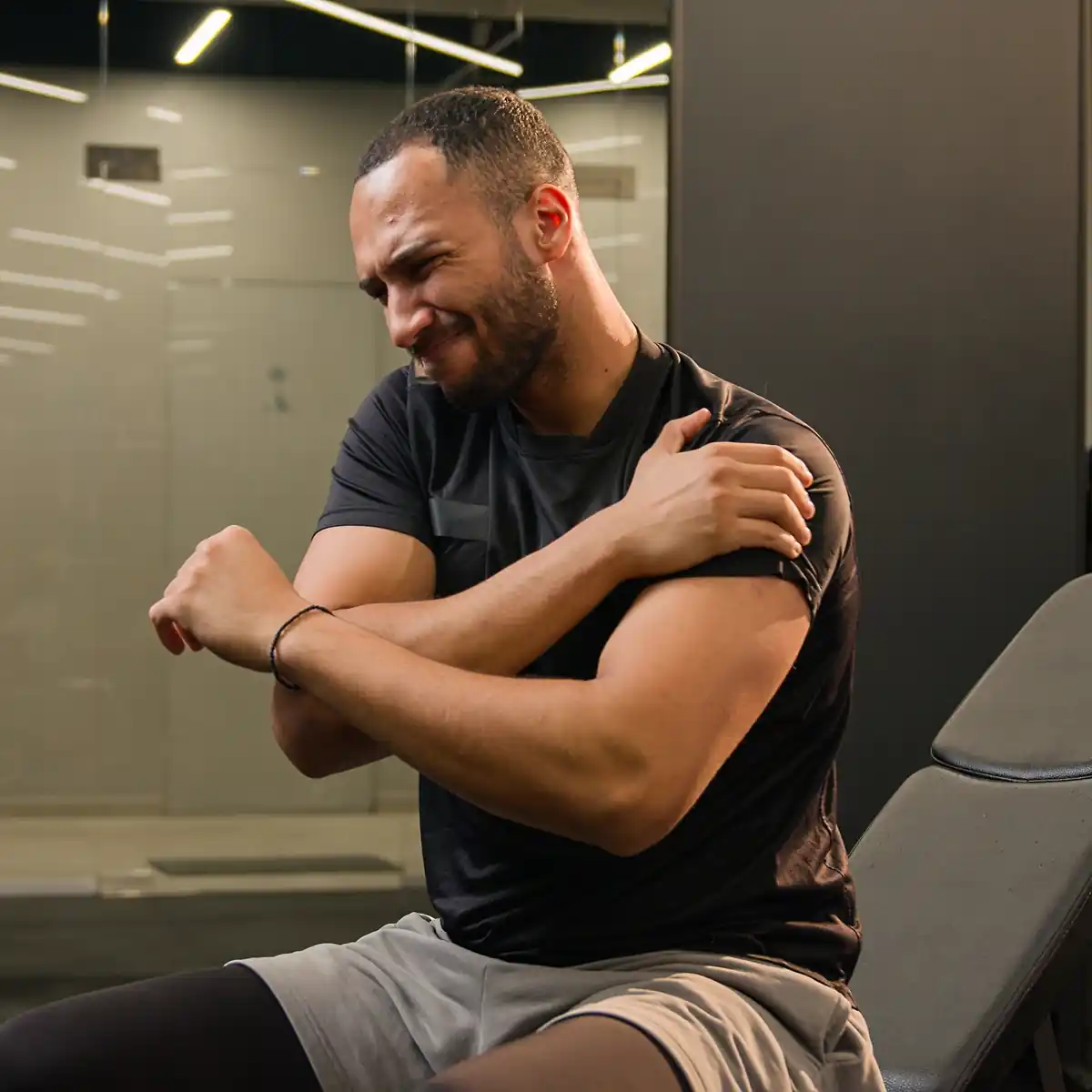
The Shoulder's Balance of Mobility and Stability
To understand atraumatic instability, it’s helpful to revisit the shoulder's unique anatomy. The shoulder is a ball-and-socket joint, but the socket (glenoid) is very shallow—more like a saucer than a deep bowl. This design allows for an incredible range of motion but makes the joint inherently less stable than other joints like the hip.
To keep the ball of the arm bone (humerus) centered in the socket, the shoulder relies on two types of stabilizers:
- Static Stabilizers: These are the non-moving structures, including the ligaments that form the joint capsule and the labrum (a cartilage rim that deepens the socket). They act like passive restraints.
- Dynamic Stabilizers: These are the muscles surrounding the shoulder, primarily the rotator cuff and scapular muscles. They actively contract to hold the ball securely in the socket during movement.
In a typical shoulder, these static and dynamic stabilizers work in harmony. In atraumatic instability, the static stabilizers are often too loose or "lax" to do their job effectively, placing a greater burden on the muscles to keep the joint in place.
What Causes Atraumatic Instability?
Atraumatic instability arises not from a major accident, but from underlying factors related to a person's own body or activities. There are two primary causes.
1. Generalized Ligamentous Laxity (Being "Loose-Jointed")
The most common cause of atraumatic instability is having naturally loose or elastic ligaments. This is often referred to as being "loose-jointed," "hypermobile," or "double-jointed." It’s a genetic trait, meaning it runs in families, and it's not considered an illness. For these individuals, the connective tissue that forms their ligaments is simply more flexible than average. This laxity isn't limited to the shoulder; it often affects multiple joints throughout the body.
People with generalized laxity might be able to:
- Bend their thumb to touch their forearm.
- Hyperextend their elbows or knees.
- Easily place their palms flat on the floor when bending forward.
In the shoulder, this inherent looseness means the joint capsule and ligaments are too stretchy to provide adequate passive stability. The ball of the humerus isn't held as snugly in the socket, allowing it to move around more than it should. This can lead to a condition known as Multidirectional Instability (MDI), where the shoulder can slip out of place in multiple directions—forward (anterior), backward (posterior), and/or downward (inferior). Because the underlying cause is the body's natural tissue makeup, people with MDI often have instability in both shoulders.
2. Repetitive Microtrauma (Overuse)
The second major cause is the gradual stretching of the shoulder capsule from repetitive overhead movements. This is common in athletes who perform the same motions thousands of times, such as:
- Swimmers
- Baseball pitchers
- Volleyball players
- Gymnasts
- Tennis players
This type of instability can also affect people whose jobs involve frequent overhead work. The constant, repetitive strain slowly stretches out the ligaments and joint capsule. Over time, these static stabilizers lose their ability to keep the joint tight. This is sometimes called "acquired instability" because it develops over time due to activity rather than being present from birth.
These individuals may not be loose-jointed elsewhere in their body, but their shoulder becomes unstable from chronic overuse. A swimmer, for example, might develop looseness from the millions of strokes they perform over their career.
Symptoms of Shoulder Atraumatic Instability
Unlike a traumatic dislocation, which is a sudden and intensely painful event, the symptoms of atraumatic instability are often more subtle and can develop gradually.
- A Vague Feeling of Looseness: This is the most common complaint. People might say their shoulder just doesn't feel secure or that it feels like it's "floating" or "slipping."
- Pain with Activity: Pain is a frequent symptom, but it's often a dull ache rather than a sharp, acute pain. The pain may be felt deep within the shoulder and is typically worse during or after overhead activities. This pain often comes from the muscles working overtime to stabilize the loose joint, leading to fatigue and strain, or from the ball of the joint slipping and pinching nearby structures.
- Episodes of Subluxation: Many people experience subluxations, where the shoulder partially slips out of the socket and then pops back in. This can feel like a "clunk" or a sudden slip. It can happen during a specific movement or even spontaneously.
- "Dead Arm" Sensation: Athletes, particularly those who throw, may report a feeling of their arm going "dead" or feeling weak and clumsy during their sport. This occurs when the instability affects nerve function temporarily.
- Voluntary Dislocation: Some people with extreme laxity can intentionally dislocate their shoulder, sometimes as a "party trick." While this may not be painful initially, it can contribute to worsening instability over time as the shoulder becomes loose even when they don't want it to.
- Pain without a Sense of Instability: In some cases, the primary symptom is just pain, especially in athletes. The shoulder hurts during overhead motions, but the person may not explicitly feel it slipping. In these cases, the underlying cause of the pain is often subtle instability that can only be identified by a trained specialist.
- Symptoms in Both Shoulders: Because the underlying cause is often generalized laxity, it's not uncommon for individuals to experience similar symptoms in both shoulders.
Diagnosing Atraumatic Instability
Diagnosing atraumatic instability requires a thorough evaluation by an orthopedic specialist, as it can be more complex than diagnosing instability from a major injury.
Medical History
The doctor will begin by asking detailed questions about your symptoms. They will want to know:
- When did you first notice the looseness or pain?
- Is there a history of being "double-jointed" in your family?
- What activities or movements make your shoulder feel unstable or painful?
- Have you ever fully dislocated the shoulder?
- Can you voluntarily make your shoulder slip out?
Your history of sports participation or repetitive work activities is also very important.
Physical Examination
The physical exam is key to diagnosing atraumatic instability. The doctor will:
- Assess for Generalized Laxity: They will likely perform a series of simple tests (like checking the flexibility of your thumbs, elbows, and knees) to see if you have generalized hypermobility.
- Test Shoulder Laxity: The doctor will gently move your shoulder in different directions (forward, backward, and downward) while you are relaxed to feel how much "play" or looseness there is in the joint. In atraumatic instability, there is often excessive movement in multiple directions.
- Check for Pain and Apprehension: Unlike traumatic instability where there is often a strong sense of apprehension, people with atraumatic instability may not feel as fearful. The doctor will note if any movements reproduce your specific pain.
Imaging Studies
Imaging is used to rule out other problems and confirm the nature of the instability.
- X-rays: These are usually normal in cases of atraumatic instability because there is typically no significant bone injury. However, they are important to check for any underlying bone abnormalities.
- Magnetic Resonance Imaging (MRI): An MRI may also appear relatively normal. In many cases of atraumatic instability, there is no major tear of the labrum or ligaments. Instead, the MRI might show a large, stretched-out, or "redundant" joint capsule, confirming that the static stabilizers are lax. The MRI is also useful to ensure there isn't another cause for the shoulder pain, such as a rotator cuff issue.
Ultimately, the diagnosis of atraumatic instability is made by combining the patient's story of looseness without major trauma, the physical exam findings of multidirectional laxity, and imaging that confirms the absence of a major structural tear.
The Impact on Daily Life
Living with an unstable shoulder can be a daily challenge. The condition can affect you in several ways:
- Fear and Avoidance: You may start to avoid certain movements or activities for fear of the shoulder slipping or causing pain. This can limit participation in sports, hobbies, and even simple household chores.
- Chronic Pain and Muscle Fatigue: The muscles around the shoulder have to work much harder to compensate for the loose ligaments. This can lead to chronic muscle soreness, fatigue, and secondary problems like tendinitis or impingement.
- Functional Limitations: For athletes, the instability can be career-threatening. A swimmer may lose power in their stroke, or a volleyball player may find it painful to serve or spike the ball.
- Frustration and Uncertainty: Because there wasn't a single injury, it can be frustrating to explain the condition to others. The unpredictable nature of the slipping and pain can lead to a feeling of not being able to trust your own body.
Conclusion
Shoulder atraumatic instability is a complex condition rooted in the body's natural makeup or developed through repetitive overuse. It is characterized by a loose shoulder joint that can slip and cause pain, often without a history of a major injury. For those who experience it, the feeling of an unreliable shoulder can be both physically and emotionally challenging.
However, it is important to know that this is a well-recognized condition with effective management strategies. The first and most important step is getting an accurate diagnosis from an orthopedic specialist who understands the nuances of shoulder instability. They can differentiate it from instability caused by trauma and guide you toward the right path for strengthening your shoulder and regaining function. While we have not discussed specific treatments here, the primary focus for atraumatic instability is often on a dedicated physical therapy program designed to retrain and strengthen the muscles that support the shoulder.
With a proper diagnosis and a commitment to rehabilitation, most people with atraumatic instability can significantly reduce their pain, improve their shoulder's stability, and confidently return to an active and fulfilling life.
Frequently Asked Questions
Is being "double-jointed" a bad thing?
No, being "double-jointed" or hypermobile is simply a variation of normal anatomy. Many people with loose joints have no problems at all. It only becomes an issue when the laxity leads to symptoms like pain or instability in a joint.
If I have atraumatic instability, will I eventually need surgery?
Most cases of atraumatic instability are managed successfully without surgery. The primary approach is an intensive physical therapy program focused on strengthening the dynamic stabilizers (muscles) of the shoulder. Surgery is typically considered only as a last resort if a dedicated and prolonged course of non-surgical management fails to provide relief.
What is the difference between subluxation and dislocation?
A dislocation is when the ball of the joint comes completely out of the socket and stays out until it is manually put back in. A subluxation is a partial or brief dislocation, where the ball slips part of the way out of the socket and then immediately pops back in on its own. People with atraumatic instability more commonly experience subluxations.
Can I still play sports if I have atraumatic shoulder instability?
Many athletes can continue to play their sports after completing a comprehensive rehabilitation program. The program will focus on strengthening the shoulder and correcting any movement patterns that contribute to the instability. It may require modifying your technique or activity level, but returning to sports is often a realistic goal.
Why does my shoulder hurt if there's no major tear?
In atraumatic instability, pain often comes from secondary sources. The muscles around the shoulder become overworked and fatigued as they try to keep the loose joint stable. This can lead to muscle strain and tendinitis. Additionally, as the ball of the joint shifts around, it can pinch the rotator cuff tendons or the bursa, causing impingement pain.
I can pop my shoulder out on purpose. Should I stop doing that?
Yes. Voluntarily dislocating your shoulder, even if it doesn't hurt, can further stretch the ligaments and capsule over time. This can make the instability worse and can lead to the shoulder slipping out involuntarily when you don't want it to. It is best to avoid this habit.