Understanding Elbow Fractures
An Educational Guide to Elbow Fractures
An elbow fracture is a break in one or more of the bones that make up the elbow joint. The terms "fracture" and "broken bone" are used interchangeably to describe this injury. The elbow is a complex joint where three bones meet: the humerus (upper arm bone), and the radius and ulna (the two bones in your forearm). A fracture can occur in any of these bones due to trauma, such as a fall, a direct blow, or a sports injury. These injuries can range from a small, simple crack in the bone to a severe break where the bone shatters into multiple pieces. Understanding the nature of elbow fractures is the first step toward a proper diagnosis and recovery plan.
Detailed Information on Elbow Fractures
All About Elbow Fractures
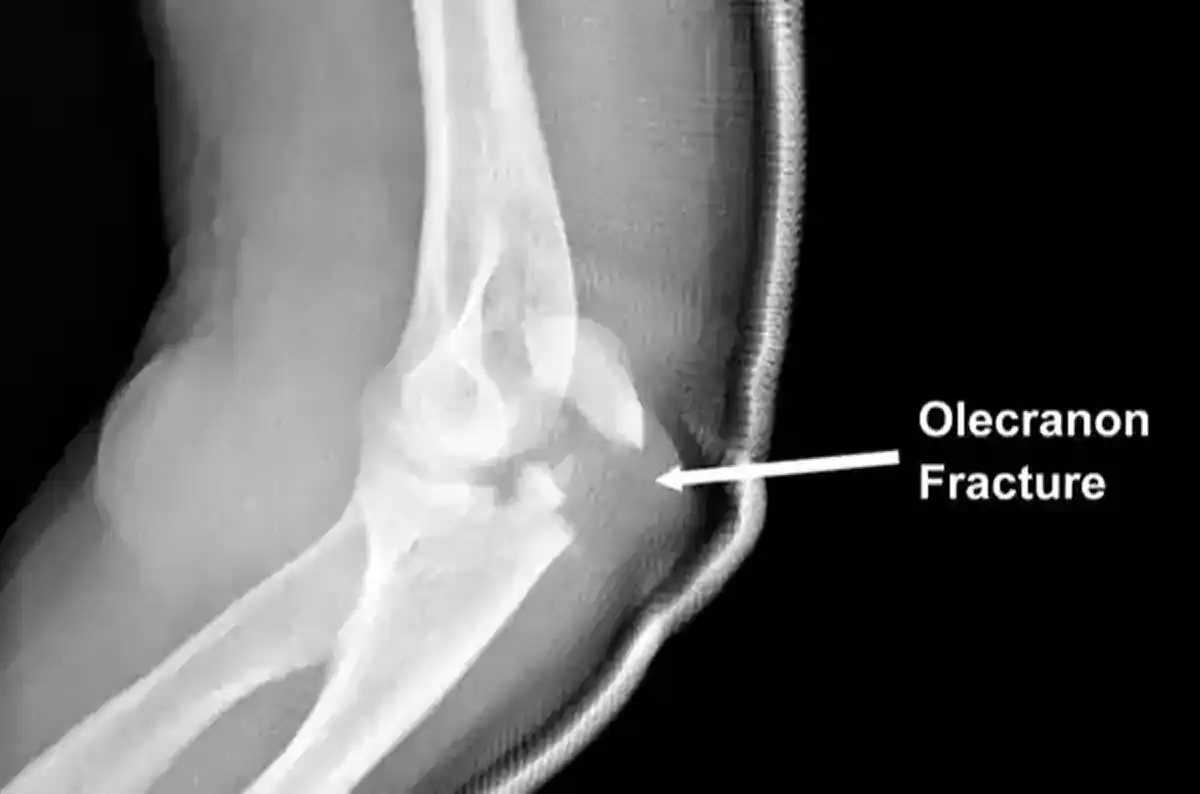
A fracture of the elbow means that one of the bones forming the joint has broken. Bones are rigid but have a slight ability to bend; when a force is applied that exceeds their strength, they break. Elbow fractures are common injuries and can significantly impact your ability to move your arm. Because the elbow joint is crucial for bending, straightening, and rotating the forearm, an injury here can be particularly debilitating. These fractures can involve the distal (lower) end of the humerus, the head of the radius, or the olecranon (the bony tip of the ulna).
Causes and Risk Factors
Most elbow fractures are caused by some form of trauma.
- Falls: A common cause is falling directly onto the elbow or onto an outstretched hand, which sends force up the arm to the elbow joint.
- Direct Blows: A direct impact to the elbow, such as in a car accident or during a contact sport, can easily cause a fracture.
- Sports Injuries: High-impact sports or activities that carry a risk of falling, like gymnastics, skating, or football, often result in elbow fractures.
- Weakened Bones: Conditions like osteoporosis can weaken bones, making them more susceptible to breaking from even minor trauma.
Symptoms
The signs of an elbow fracture are usually immediate and clear.
- Sharp Pain: Intense, sharp pain is typically felt at the site of the injury at the moment of the break.
- Swelling and Bruising: The elbow will likely swell up quickly and develop bruising around the joint.
- Deformity: The elbow may look out of place, crooked, or misshapen if the broken bones are displaced.
- Inability to Move the Arm: You will likely find it very difficult or impossible to straighten or bend your arm without severe pain.
- Snapping Sound: Some people hear or feel a "snap" or "crack" at the time of the injury.
- Numbness or Weakness: Numbness or a "pins and needles" sensation in the forearm or hand can occur if the fracture has injured nearby nerves.
Diagnosis
If an elbow fracture is suspected, a medical evaluation is necessary to confirm the diagnosis and determine the extent of the injury.
- Physical Examination: A doctor will ask how the injury occurred and examine the elbow for swelling, deformity, and tenderness. They will also check for nerve or blood vessel damage by assessing sensation and blood flow in your hand and fingers.
- X-rays: X-rays are the primary tool used to diagnose a fracture. They provide clear images of the bones and can show the location and severity of the break. An X-ray can confirm if a bone is broken and whether the pieces are still aligned (non-displaced) or have shifted apart (displaced).
- CT Scans: For more complex fractures, especially those involving the joint surface, a CT scan may be ordered. This test provides more detailed, cross-sectional images of the bone, helping to plan for treatment.
- MRI: An MRI is less common for diagnosing the fracture itself but may be used to assess damage to surrounding soft tissues like ligaments and tendons if a severe injury is suspected.
Frequently Asked Questions
What is the difference between a fracture and a sprain in the elbow?
A fracture is a broken bone, while a sprain is an injury to a ligament (the tissues that connect bones to other bones). Both can cause pain, swelling, and difficulty moving the joint, which can sometimes make them hard to tell apart without a medical evaluation. Generally, a fracture may cause more intense pain, an obvious deformity, or an inability to bear any weight or pressure on the arm. A sprain might still allow for some movement. The only way to be certain is to get an X-ray, which can clearly show a broken bone but will not show a ligament sprain.
Can an elbow fracture cause long-term problems?
Most elbow fractures heal well with proper treatment. However, some complications can occur. If the fracture involves the smooth cartilage surface of the joint, there is a risk of developing post-traumatic arthritis later in life, which can cause chronic pain and stiffness. Another common issue after an elbow fracture is stiffness; even after healing, some people may not regain their full range of motion. Physical therapy is often a crucial part of recovery to help restore as much movement and strength as possible.
Why is numbness in my hand after an elbow fracture a concern?
Numbness, tingling, or weakness in your hand or fingers after an elbow fracture is a sign of potential nerve injury and requires immediate medical attention. The major nerves that control sensation and movement in your hand pass very close to the elbow joint. A displaced fracture or significant swelling can press on, stretch, or even cut one of these nerves. While some nerve irritation can be temporary and resolve as swelling goes down, a serious nerve injury could lead to permanent problems if not addressed promptly.