Understanding Elbow Post-Traumatic Arthritis
Elbow Post-Traumatic Arthritis
Post-traumatic arthritis of the elbow is a form of joint degeneration that develops after an injury to the elbow. This condition occurs when previous trauma—such as a fracture, dislocation, or ligament injury—causes long-term damage to the cartilage and joint surfaces. Over time, the injured joint may develop stiffness, pain, and reduced mobility as the protective cartilage gradually wears away.
The elbow is a complex joint that depends on smooth cartilage surfaces and precise alignment of bones, ligaments, and muscles. When trauma disrupts this balance, the joint may not heal perfectly, which can eventually lead to arthritis. Even injuries that occurred years earlier may later contribute to symptoms.
Recognizing post-traumatic arthritis early can help patients manage symptoms and explore treatment options that preserve elbow function and reduce discomfort.
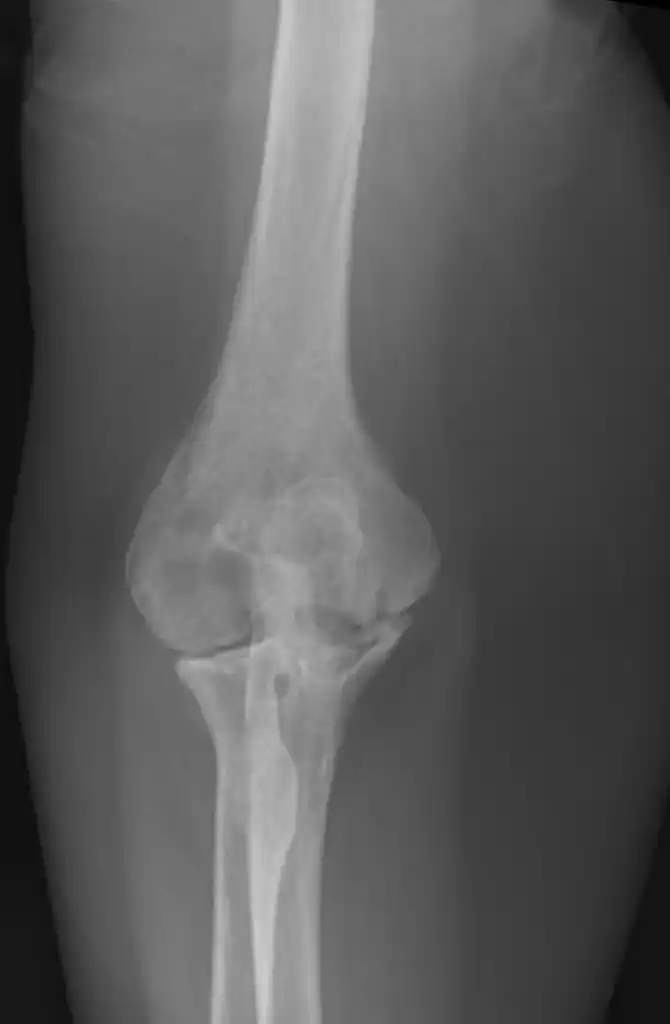
Joint Damage After Injury
How Trauma Can Lead to Elbow Arthritis
Post-traumatic arthritis develops when an elbow injury damages the joint surface or alters the alignment of the bones within the joint. Common causes include fractures of the elbow bones, dislocations, or ligament injuries that destabilize the joint. Even when these injuries heal, the joint may not return to its original smooth structure.
Over time, irregular joint surfaces and damaged cartilage can create increased friction within the elbow. This friction gradually wears away the cartilage that normally cushions the joint. As the cartilage deteriorates, bone surfaces begin to rub together, leading to pain, stiffness, swelling, and decreased range of motion.
The progression of post-traumatic arthritis varies from person to person. Some individuals develop symptoms soon after an injury, while others may not notice problems until many years later. Early evaluation and treatment can help slow progression and maintain elbow mobility.
Frequently Asked Questions
What symptoms are common with elbow post-traumatic arthritis?
Common symptoms include elbow pain, stiffness, swelling, and reduced range of motion. Some patients may also notice grinding sensations, clicking, or difficulty fully bending and straightening the elbow. These symptoms may gradually worsen over time.
How long after an injury can post-traumatic arthritis develop?
Post-traumatic arthritis can develop months or even years after an elbow injury. Some individuals notice symptoms relatively soon after trauma, while others may remain symptom-free for many years before arthritis gradually appears.
Is post-traumatic arthritis the same as osteoarthritis?
Post-traumatic arthritis is a type of osteoarthritis that develops specifically after joint injury. While general osteoarthritis often occurs due to aging and wear over time, post-traumatic arthritis is triggered by structural damage to the joint from a previous injury.
What treatments are available for elbow post-traumatic arthritis?
Treatment options depend on the severity of symptoms. Conservative treatments may include activity modification, physical therapy, anti-inflammatory medications, and bracing. In more advanced cases, surgical options such as arthroscopic cleaning of the joint, removal of bone spurs, or joint reconstruction may be considered to restore motion and reduce pain.