Rheumatoid Arthritis (Elbow)
Elbow rheumatoid arthritis is a challenging form of arthritis, as the affected elbows can significantly limit a person’s range of motion and ability to perform daily functions. While it can affect people of all ages, it is commoner in women and between the ages of 40 and 60.
If you are experiencing pain or stiffness in the elbow joints, it is important to seek the care of a qualified orthopaedic specialist who can diagnose and treat the condition. At the University of KentuckyShoulder & Elbow Service, we specialize in treating a wide range of joint conditions, including elbow rheumatoid arthritis.

How Does Rheumatoid Arthritis Affect the Elbow?
Rheumatoid arthritis is a chronic autoimmune disorder that can affect many joints in the body, including the elbow joint. This condition causes the immune system to attack the soft tissues surrounding the joints, resulting in inflammation, pain, and stiffness. Over time, chronic inflammation can cause damage to the affected joints and surrounding tissues.
One of the features of rheumatoid arthritis is the development of rheumatoid nodules, small, firm lumps under the skin of the elbow. Rheumatoid nodules can also develop in other parts of the body, such as the hands and feet.
As rheumatoid arthritis progresses, it can lead to deformities and loss of function in the affected joints, including the elbow joint. This can greatly limit a person’s ability to perform everyday tasks and significantly impact their quality of life.
What Are the Symptoms of Rheumatoid Arthritis of the Elbow?
The symptoms of rheumatoid arthritis of the elbow can vary from person to person, but some of the most common symptoms include:
- Pain
- Stiffness
- Locking
- Swelling
- Limited range of motion
- Rheumatoid nodules
- Weakness
Early diagnosis and treatment can help to slow the progression of the disease and improve overall outcomes. A team approach with a rheumatologist and a specialist orthopaedic surgeon is encouraged.
How Is Rheumatoid Arthritis of the Elbow Diagnosed?
Rheumatoid arthritis of the elbow, also known as elbow joint arthritis, can be challenging to diagnose. However, with a thorough physical examination and the right diagnostic tests, an accurate diagnosis can be made.
During a physical examination, your doctor will likely start by asking about your symptoms and medical history. They will also examine your elbow joint for signs of swelling, redness, warmth, and range of motion.
To confirm a diagnosis of rheumatoid arthritis of the elbow, your doctor may order several diagnostic tests. These may include:
- X-rays
- Magnetic resonance imaging (MRI)
- Blood tests

How Is Rheumatoid Arthritis of the Elbow Treated?
While there is currently no cure for rheumatoid arthritis, there are several treatment options available that can help to manage the symptoms and slow the progression of the disease.
One of the most common treatments for rheumatoid elbow is the use of nonsteroidal anti-inflammatory drugs (NSAIDs), such as ibuprofen or naproxen. These medications can help to reduce inflammation and relieve pain in the affected joint. However, they are typically only used for short periods of time, as long-term use can have side effects.
In addition to NSAIDs, there are several other medications that may be used to treat rheumatoid arthritis (RA), including disease-modifying antirheumatic drugs (DMARDs) and biological agents. These medications work by targeting the underlying immune system dysfunction that causes RA and can help to slow the progression of the disease.
Physical therapy can also be an effective treatment for rheumatoid elbow. A physical therapist can work with you to develop an exercise program tailored to your specific needs and can help improve the range of motion, strength, and flexibility in the affected joint.
In some cases, surgery may be necessary to treat rheumatoid elbow. Elbow replacement surgery, also known as total elbow arthroplasty, involves replacing the damaged joint with an artificial joint. This can help to restore function and reduce pain in the affected joint.
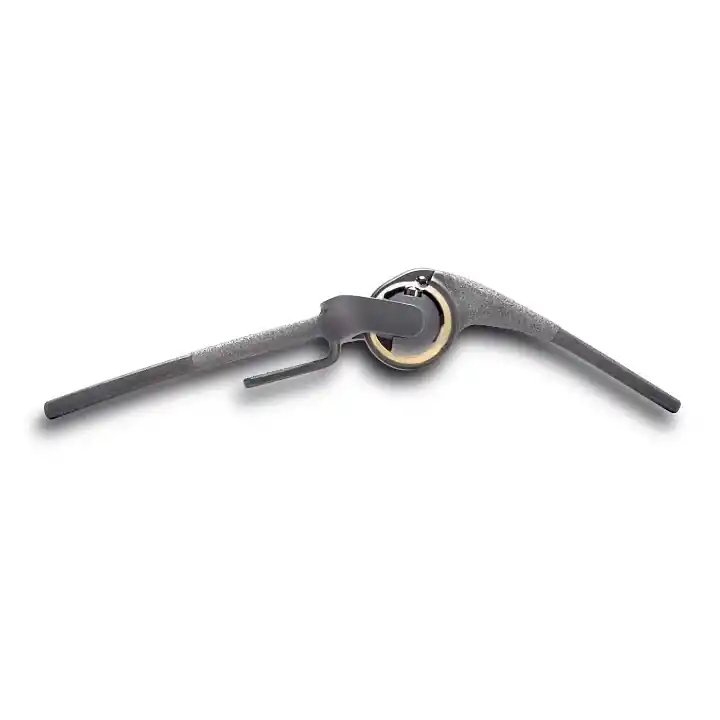
Overall, the treatment for rheumatoid elbow will depend on the severity of the condition and the individual needs of the patient.
Get Help for Your Rheumatoid Arthritis Elbow Pain
If you are experiencing symptoms of rheumatoid arthritis of the elbow, it’s important to seek treatment from a qualified orthopaedic specialist.