Understanding Elbow Instability
Elbow Instability
Elbow instability occurs when the structures that normally hold the elbow joint in proper alignment are stretched, torn, or otherwise unable to provide enough support. This can cause the elbow to feel loose, painful, weak, or unreliable during movement. In some cases, the joint may partially slip out of place, while in more severe situations it may fully dislocate.
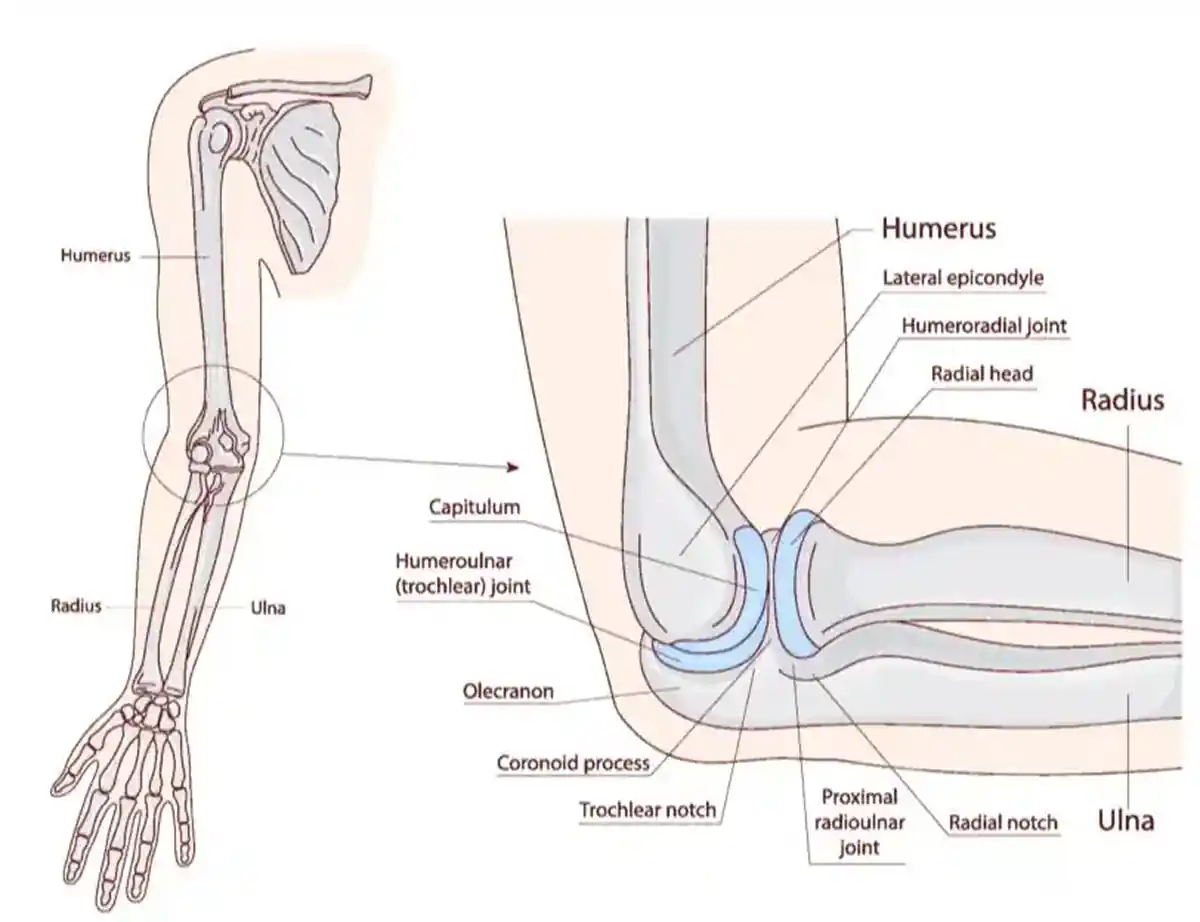
The elbow depends on a careful balance of bone shape, ligaments, muscles, and tendons to remain stable. When one or more of these stabilizing structures is injured, the joint may no longer move normally. Elbow instability can develop after trauma, repetitive stress, or as a result of previous injuries that did not heal properly.
Understanding elbow instability is important because persistent looseness in the joint can interfere with daily activities, athletic performance, and overall arm function. Early evaluation can help identify the cause and guide the most appropriate treatment plan.
When the Elbow Joint No Longer Feels Secure
How Elbow Instability Develops
Elbow instability develops when the joint loses its normal mechanical support. This most often happens after an injury to the ligaments, which are the strong bands of tissue that connect bones and help keep the joint aligned. The most commonly involved structures include the lateral collateral ligament complex on the outside of the elbow and the medial collateral ligament on the inside.
In some patients, instability occurs after a traumatic elbow dislocation, fracture, or sports injury. In others, it may develop gradually from repetitive stress, especially in activities that place repeated strain on the elbow, such as throwing, gymnastics, or heavy lifting. Over time, this loss of stability can lead to pain, weakness, altered motion, and difficulty trusting the arm during everyday use.
Because the elbow is involved in so many daily movements, even mild instability can become frustrating and limiting. A careful evaluation can help determine whether the instability is due to ligament injury, bone injury, joint wear, or a combination of factors.
Frequently Asked Questions
What does elbow instability feel like?
Elbow instability may feel like the joint is loose, shifting, slipping, or unable to fully support the arm. Some people describe a sensation that the elbow may give way during pushing, lifting, or reaching. Others notice pain, clicking, weakness, or apprehension during certain movements.
Can elbow instability happen without a full dislocation?
Yes. Elbow instability does not always mean the joint fully dislocates. In some cases, the elbow may partially shift or feel unreliable without coming completely out of place. Repeated minor instability events can still cause pain, loss of confidence in the arm, and ongoing joint problems if not properly addressed.
What causes elbow instability?
Elbow instability is most often caused by ligament injuries, especially after trauma such as a fall, dislocation, or sports injury. It can also develop from repetitive stress over time, particularly in athletes who throw or place repeated force across the elbow. In some cases, fractures, joint degeneration, or prior surgery may also contribute to instability.
How is elbow instability treated?
Treatment depends on the cause and severity of the instability. Mild cases may improve with rest, activity modification, bracing, and physical therapy focused on strengthening and joint control. More significant or persistent instability may require surgical repair or reconstruction of the damaged ligaments or other injured structures to restore joint stability and function.