Shoulder Replacement (Hemiarthroplasty)
What Is Partial Shoulder Replacement?
Partial shoulder replacement, aka hemiarthroplasty / resurfacing humeral replacement / stemless hemi replacement / hemicap / PSR etc, replaces only the ball of the shoulder joint (humeral head) with a metal implant while leaving the socket (glenoid) untouched.
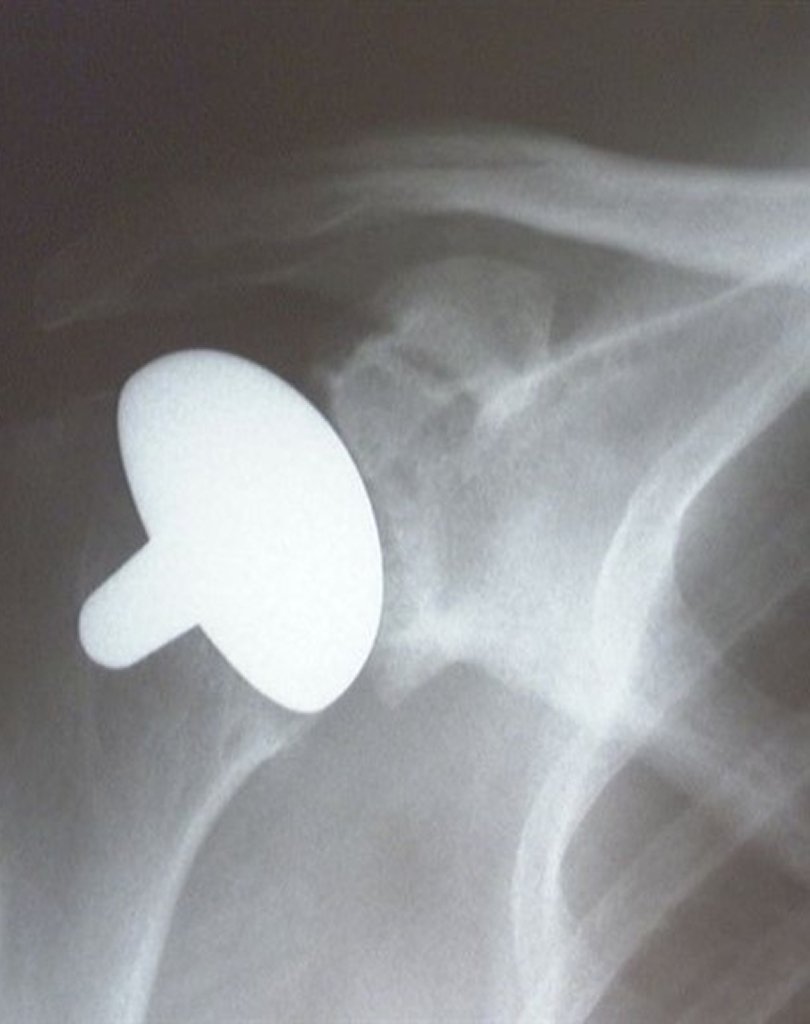
Surface Replacement
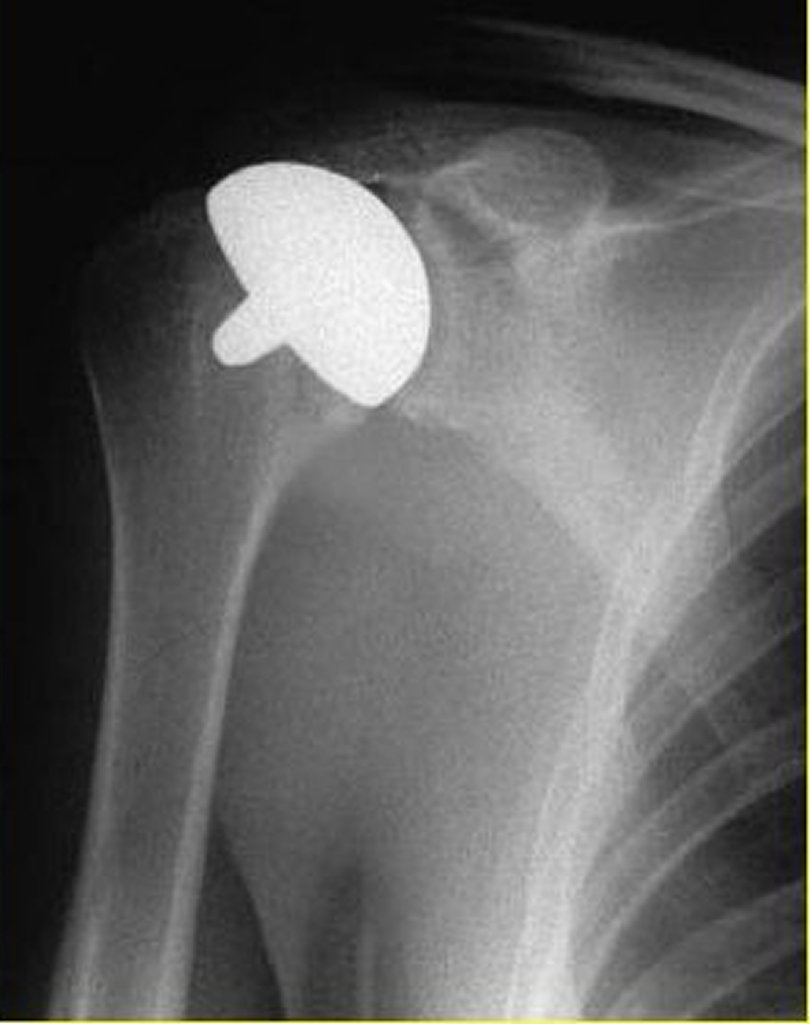
Partial Replacement
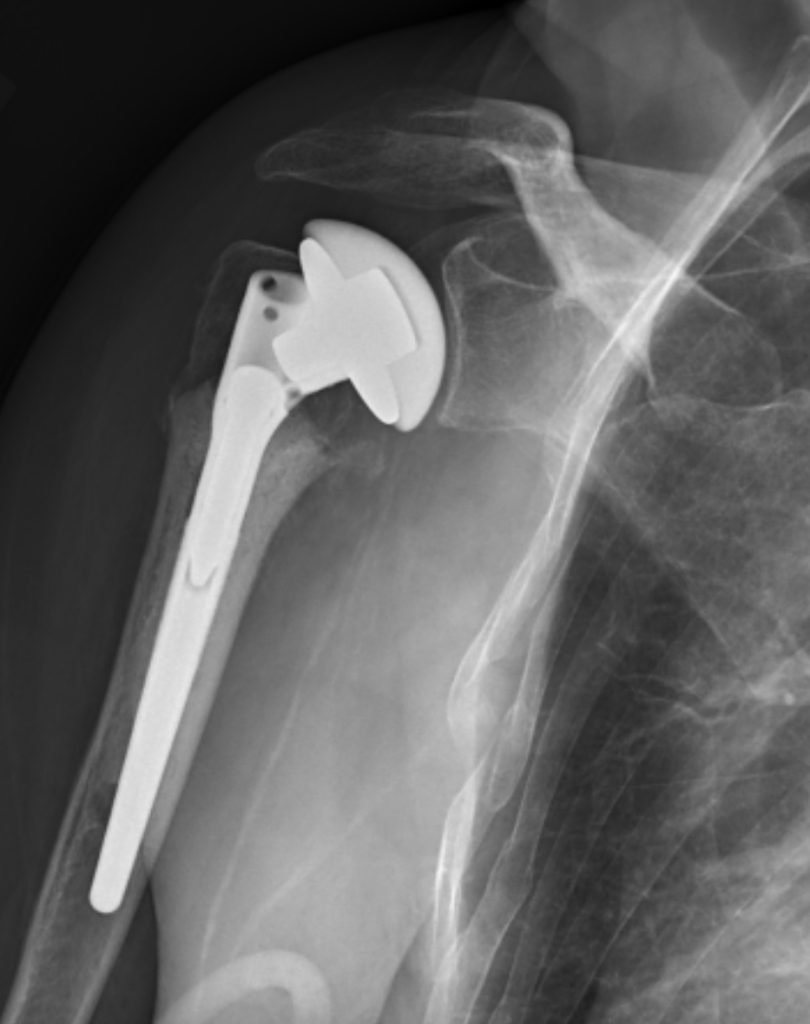
Pyrocarbon PSR
Indications for Shoulder Hemiarthroplasty
A partial (humeral head) shoulder replacement, is commonly referred to as shoulder hemiarthroplasty, is recommended when the damage (fracture, arthritis, or avascular necrosis) is limited to the humeral head and the socket (glenoid) is covered with good cartilage and does not need to be replaced. Partial shoulder replacement is typically recommended for patients with:
1) Humeral Head Fractures
Most humeral head fractures can be fixed and do not need replacement. Some severely broken humeral heads cannot be predictably fixed and can be more predictably treated with a shoulder hemiarthroplasty. Fractures that require humeral head replacement are complex, and multi-fragmented. Replacement in these situations provides pain relief and restores function, in conjunction with good physical therapy.
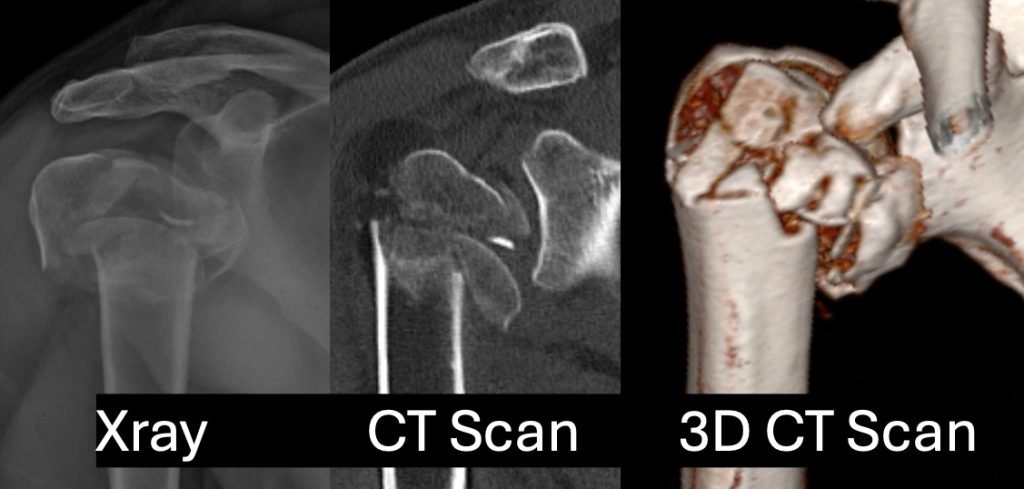
Complex Shoulder Fracture
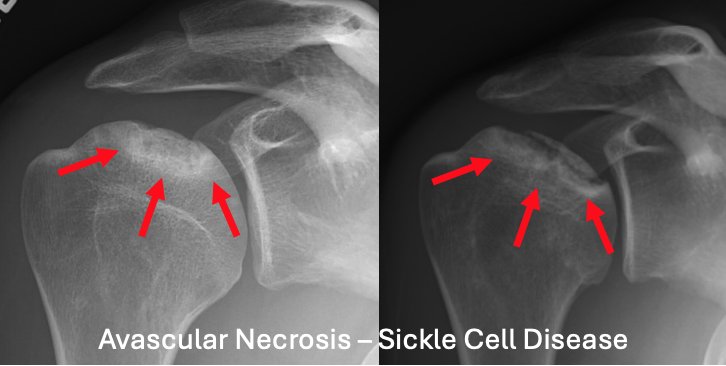
Avascular Necrosis (AVN)
When the blood supply to the humeral head is damaged, the humeral bone cannot survive and hence deteriorates. This process most often affects the humeral head (ball of the shoulder), and not the socket (glenoid). The socket retains a good cartilage lining and does not need to be replaced. In this situation a humeral head replacement provides pain relief and restores function after the shoulder hemiarthroplasty.
3. Arthritis of the Humeral Head
Sometimes, arthritis may only affect the humeral head and the socket (glenoid) may remain pristine with good cartilage. Partial shoulder replacement provides good pain relief and a shoulder hemiarthroplasty improves function in these situations.
Recovery after Shoulder Hemiarthroplasty
The best outcomes can be achieved with good physical therapy after the shoulder hemiarthroplasty procedure, and typically requires 3-4 months
- Sling Use: A sling is worn for 6 weeks to protect the shoulder
- Physical Therapy: Rehabilitation focuses on restoring shoulder control, range of motion, and strength
- Activity Restrictions: Patients should avoid lifting heavy objects and performing overhead activities during the early recovery. Another restriction is reaching behind the body plane, with the arm at or above shoulder level should be avoided.
Advantages and Disadvantages
Advantages:
- Shorter operative time and less invasive
- Faster initial recovery
- Ideal for patients with limited joint damage
Disadvantages:
- This may lead to glenoid wear over time if arthritis progresses
- May not fully restore shoulder function in cases of extensive joint damage
Conclusion
Partial shoulder replacement is suitable for patients with isolated humeral head damage. In contrast, a total shoulder replacement offers a more extensive solution for significant total joint deterioration. Consulting with an experienced orthopedic specialist is important to consider the best surgical option for your personal shoulder condition, whether it be a total shoulder replacement or shoulder hemiarthroplasty.
