What is Ehlers-Danlos Syndrome (EDS)?
EDS is a spectrum of genetic connective tissue disorders caused by issues in the structure, production, and/or processing of collagen. Collagen is what gives connective tissue its strength, and when it is not being produced correctly it can cause significant problems throughout the body.
EDS affects the connective tissues that hold together our joints, muscles, blood vessels and internal organs. It is characterised by joint hypermobility, skin hyperextensibility, poor wound healing, and tissue fragility. Multiple types of EDS exist — some are extremely rare and not well understood — and the syndromes vary in how they affect the body. Some people may have mildly loose joints, while others can have life-threatening complications.

Symptoms
Symptoms can vary depending on the person and the part of the body affected, but commonly include:
- Joint Hypermobility: People with EDS often have unusually flexible joints that extend beyond the normal range of motion. This hypermobility can lead to joint instability, frequent dislocations, arthritis, and chronic pain.
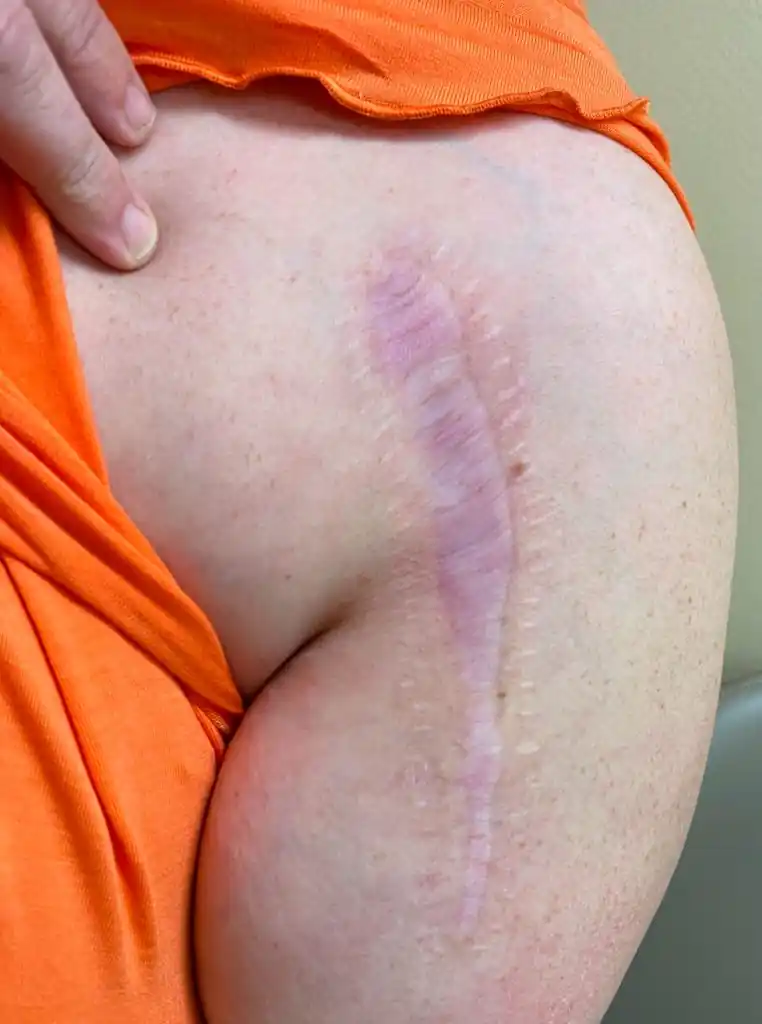
- Skin Hyperextensibility: People with EDS may have stretchy, fragile skin that is prone to tearing, bruising, and scarring. Skin hyperextensibility is a distinct feature of certain EDS subtypes.
- Joint Instability: The joint surfaces can separate, causing significant pain and discomfort.
- Dislocations: A full separation of the surface of a joint can occur, often repeatedly.
- Tissue Fragility: Connective tissues affected by EDS may be fragile and prone to injury, leading to easy bruising, slow wound healing, and in extreme or rare cases, internal organ prolapse.
- Skin and Scarring Issues: Skin that bruises very easily, poor healing of wounds, and abnormal scarring are common features.
- Localised Tissue Weakness: In some cases, EDS can cause weak tissues in specific areas such as the mouth or eyes.


What Causes EDS?
EDS is primarily caused by genetic mutations that affect the structure and function of collagen, a key protein found in connective tissues throughout the body. Collagen provides strength and support to the skin, joints, blood vessels, and organs. Mutations in the specific genes responsible for collagen production lead to abnormalities in connective tissue, resulting in the characteristic features of EDS.


How Is EDS Diagnosed?
Diagnosing EDS can be challenging due to its wide range of symptoms and overlapping features with other conditions. A visit with your GP is the first step. Diagnosis typically involves:
- Medical History and Physical Examination: Your GP will review your history and assess skin elasticity and joint flexibility.
- Imaging Tests: These can identify signs and complications of EDS in the joints and surrounding structures.
- Genetic Testing: A blood sample may be taken to test for the gene mutations associated with EDS, helping to confirm the diagnosis.

What Can I Do to Manage EDS?
There is currently no cure for Ehlers-Danlos Syndrome. Treatment and management focuses on preventing complications and relieving symptoms. Options include:
- Medication: Talk to your doctor about medicines that may help manage joint and muscle pain.
- Assistive Devices: Wheelchairs, scooters, splinting, and braces can help support unstable joints and improve mobility.
- Skin Care: Proper skin care is essential to prevent injury, minimise scarring, and promote wound healing. Moisturising creams, protective clothing, and gentle handling of the skin can help maintain skin integrity.
- Exercise and Physical Therapy: An exercise professional can prescribe strengthening exercises to support unstable joints. Physical therapy can improve joint stability and mobility, with techniques tailored to specific joint issues. Always speak with your GP before starting new exercises.
- Emotional Support: It is natural to feel scared, frustrated, sad or angry. Be aware of these feelings and seek help if they start affecting your daily life.
- Surgery: In some cases, surgery may be considered to repair joints damaged by repeated dislocations, address joint instability, correct deformities, or reduce pain associated with EDS-related musculoskeletal issues.
- Self-Care: Work with your GP to create a treatment plan. Self-care may include avoiding contact sports, heavy lifting, injuries and falls; cleansing the skin with mild soaps and using sunscreen when outdoors; and practising meditation or stress-relieving exercises such as tai chi or modified yoga.
Frequently Asked Questions
Is EDS hereditary?
Yes, EDS is primarily caused by genetic mutations. In most cases it is inherited, meaning it can be passed down through families. In some cases, the mutation may occur spontaneously without a family history of the condition.
Is there a cure for EDS?
There is currently no cure for EDS. Treatment focuses on managing symptoms, preventing complications, and improving quality of life through a combination of medication, physical therapy, assistive devices, and self-care strategies.
How many types of EDS are there?
There are multiple recognised subtypes of EDS. Some, like hypermobile EDS (hEDS), are relatively more common, while others are extremely rare. Each subtype has its own diagnostic criteria and can affect the body differently.
Can exercise help with EDS?
Yes, carefully prescribed exercise can be very beneficial. Strengthening the muscles around unstable joints can reduce pain and the risk of dislocations. However, it is important to work with an exercise professional and your GP to ensure the programme is appropriate and safe for your specific condition.
Can EDS affect internal organs?
In some subtypes of EDS, connective tissue fragility can affect internal organs and blood vessels. While these are typically more severe and rarer forms of the condition, it is important to discuss any symptoms with your doctor so that appropriate monitoring and care can be arranged.