Metal Allergy in Shoulder Replacement
If you have a metal allergy / sensitivity, it doesn’t mean getting a metal implant like a shoulder or elbow replacement or nails / plates and screws is completely off limits. It also doesn’t mean that the your body will reject the implant. Overall, reactions to surgical implants are rare, but they do sometimes occur.
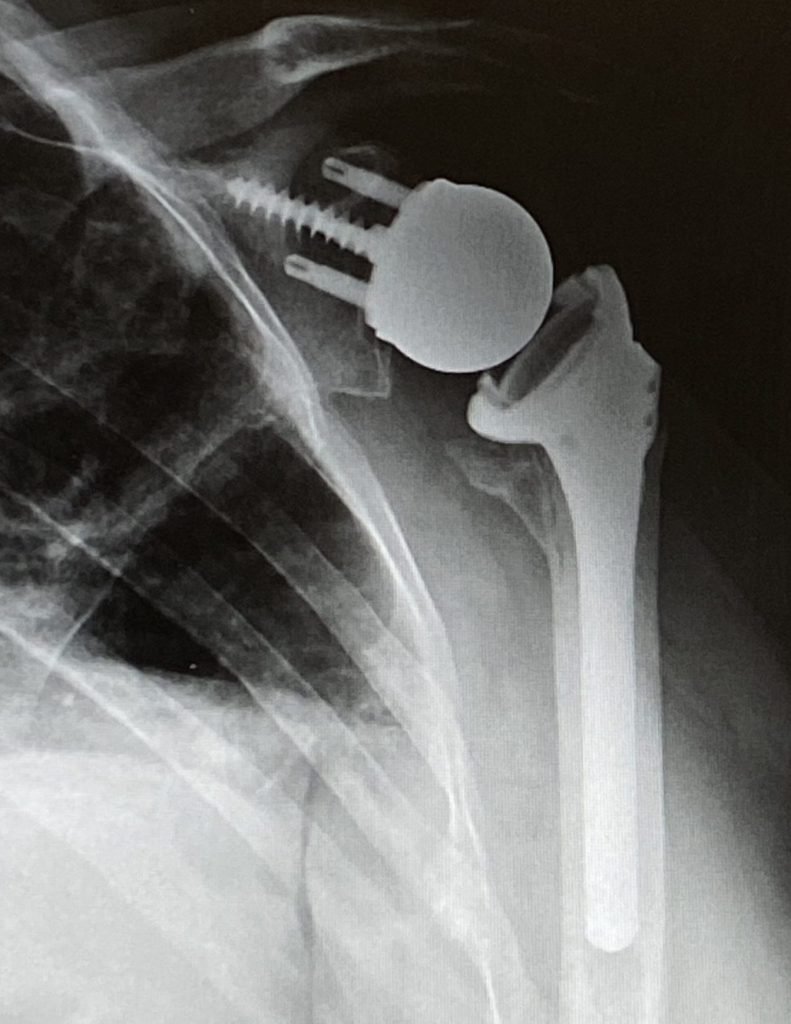
Nickel Chrome Allergy rTSA
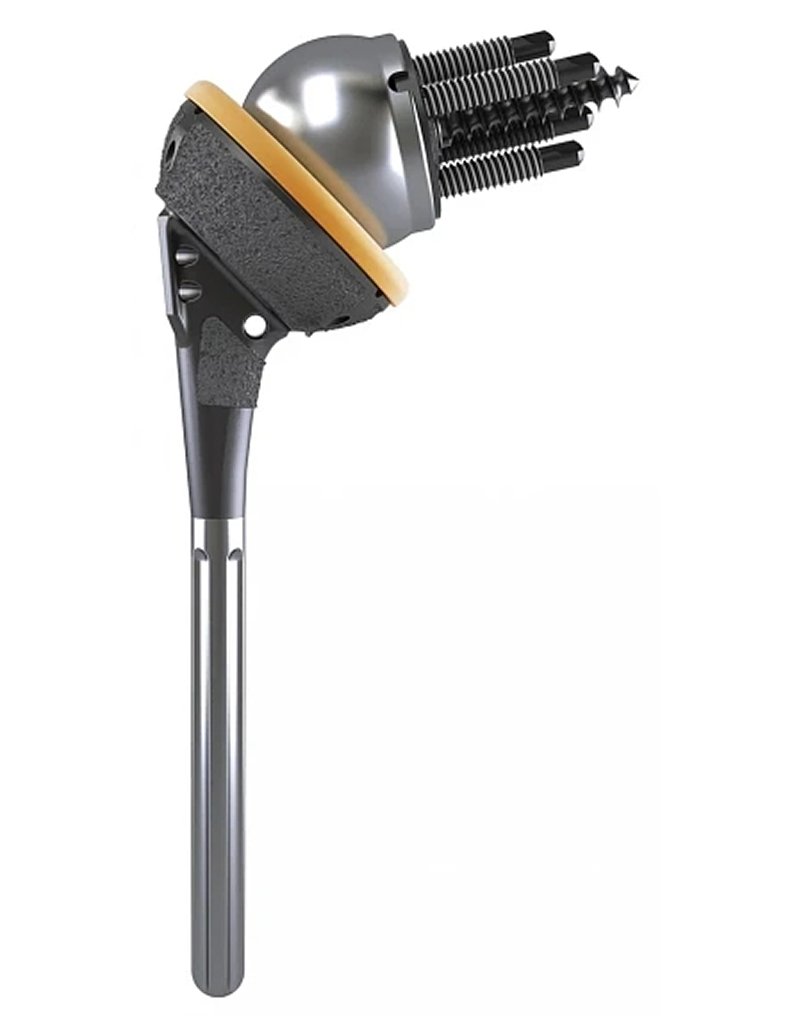
Enovis images
Which Metals Are Commonly Used in Orthopaedic Surgery?
- Cobalt-chrome
- Stainless steel
- Titanium
Some orthopedic implants contain small amounts of nickel and chrome, and there is concern that this may be an issue for nickel/ chrome sensitive people.
Nickel
10% – 15% of the general population is sensitive or allergic to nickel. Itching and redness around costume jewelry is an indicator of sensitivity / allergy. If that includes you, make sure you tell your healthcare provider. They may want to consider an implant made of different materials, such as titanium or ceramics.
This may not always be possible, and an implant made with nickel may be the most appropriate implant available for your condition.
What Are The Symptoms of a Metal Allergy?
Pain around the site of orthopedic implants has many causes, including loosening and infection. A thorough evaluation and investigation must occur. Unfortunately, the symptoms of metal implant sensitivity and allergy are poorly defined. Symptoms include
- Pain
- Itching
- Redness
- Rash
- Weakness
- Numbness
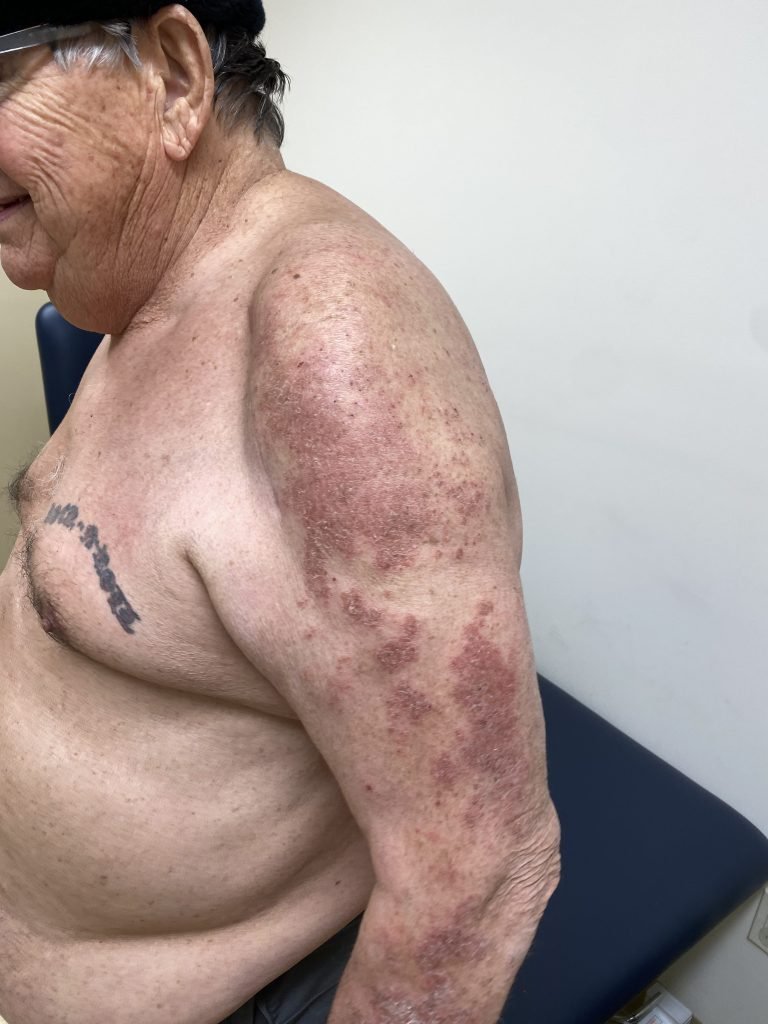
rTSA Nickel Chrome Allergy
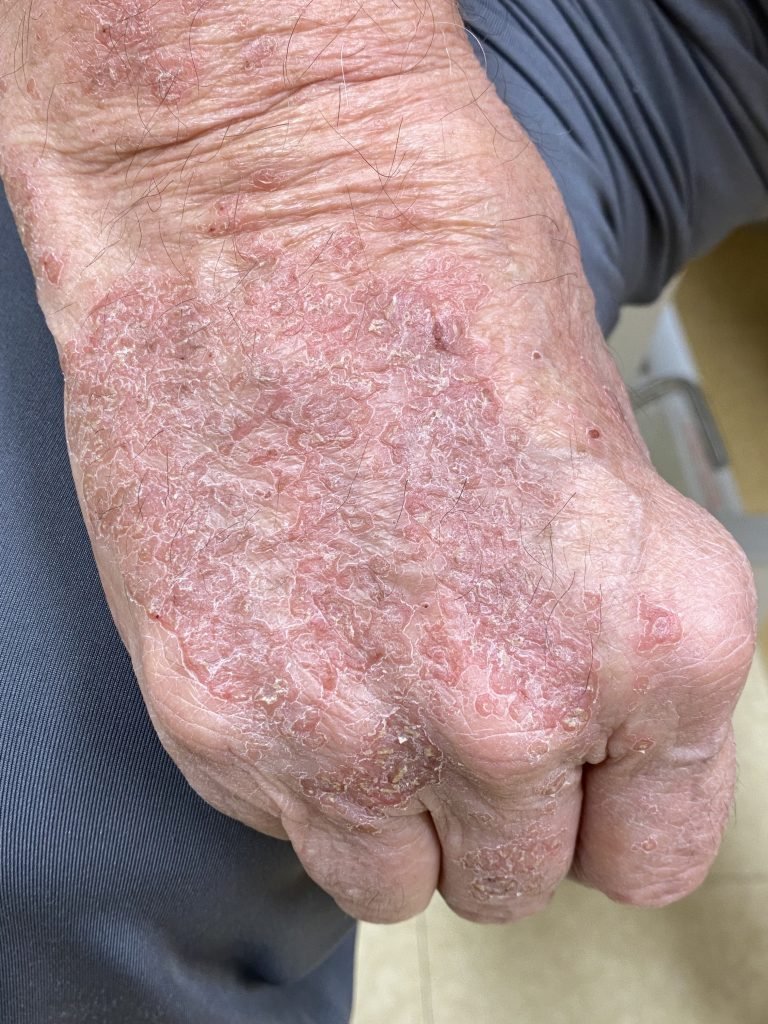
Nickel Allergy rTSA
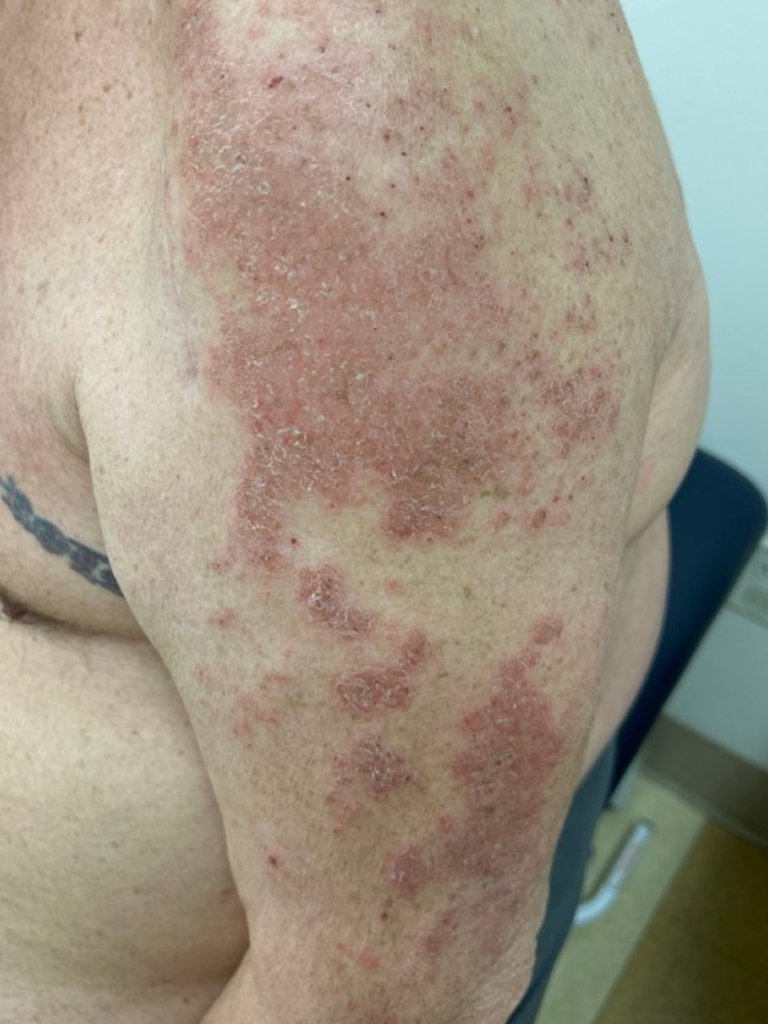
rTSA Nickel Chrome Allergy
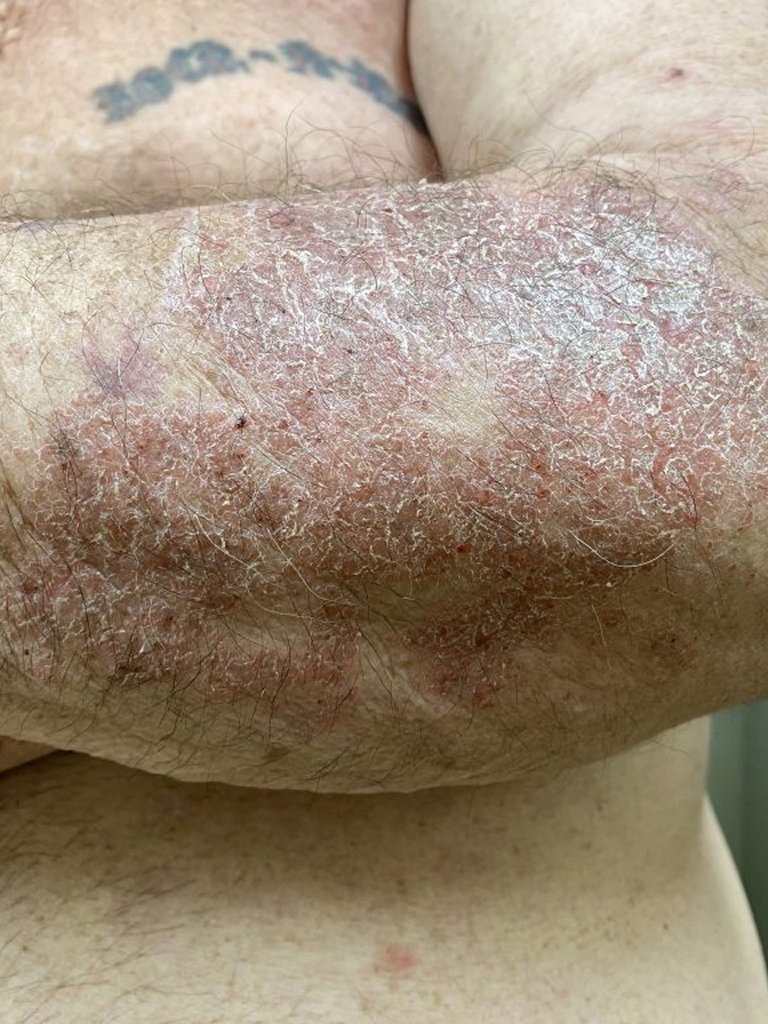
Nickel Chrome Allergy rTSA
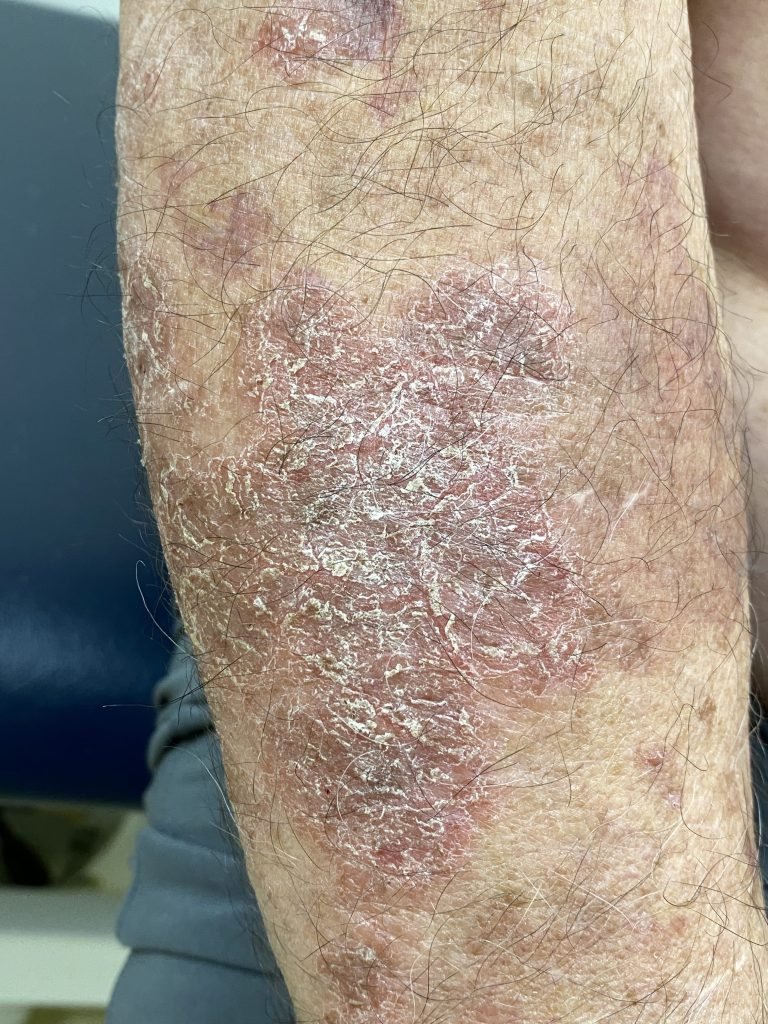
rTSA Nickel Chrome Allergy
Therefore, diagnosing a sensitivity or allergy to a metal implant usually do not require that the implant be removed. However, if the symptoms are severe and not suppressable with anti-histamines, implant removal and exchange with
Patients who have pain around metal implants with associated skin changes, with a rash, should be assessed for possible metal sensitivity.
Should I Have My Metal Implant Removed?
It’s rare for someone to need their metal implants removed due to a metal allergy or sensitivity. Some people’s symptoms have gone away after removal.
Because this can involve another surgery that may be quite complicated, it should not be done without a thorough review of the pros and cons.
Fortunately, people who’s implant problems were a clear result of metal sensitivity usually find immediate relief after removal.
