Relationship of Headache and Shoulder Pain
There is a connection between shoulder pain and headaches. Many people with frequent headaches also struggle with shoulder pain, tension or dysfunction.
The Causes of Shoulder Pain
It is important to understand the causes of shoulder pain. The shoulders are complex structures, with many muscles, tendons, and ligaments that all work together to provide mobility and stability. Some common causes of shoulder pain include:
- Rotator cuff injuries – tears or inflammation in the rotator cuff muscles or tendons
- Impingement – compression of structures in the shoulder from repetitive overhead motions
- Frozen shoulder – stiffness and loss of normal range of motion
- Arthritis – degeneration of cartilage and bones in the shoulder joint
- Muscle strain – overuse or tears in muscles supporting the shoulder
Sometimes shoulder pain originates from dysfunction in nerves that run from the neck down the arm. A pinched nerve in the neck can radiate pain into the shoulder region. Poor posture like forward head carriage can also contribute to shoulder tightness and discomfort. Sometimes if the origin of the pain is a true shoulder problem, shoulder surgery may be needed, if non-operative measures fail.
Musculoskeletal Links Between Shoulder and Head Pain
The muscles around the neck and upper back work together closely with the shoulder muscles to coordinate movement and stabilize the shoulders. When dysfunction occurs in one area, the other areas have to compensate which can lead to pain.
For example, tightness in the upper trapezius muscles may limit shoulder mobility. This forces the shoulder muscles to work harder to move the arm overhead, resulting in fatigue and strain. The upper trapezius tightness also limits the ability of the neck to move freely, potentially causing headaches.
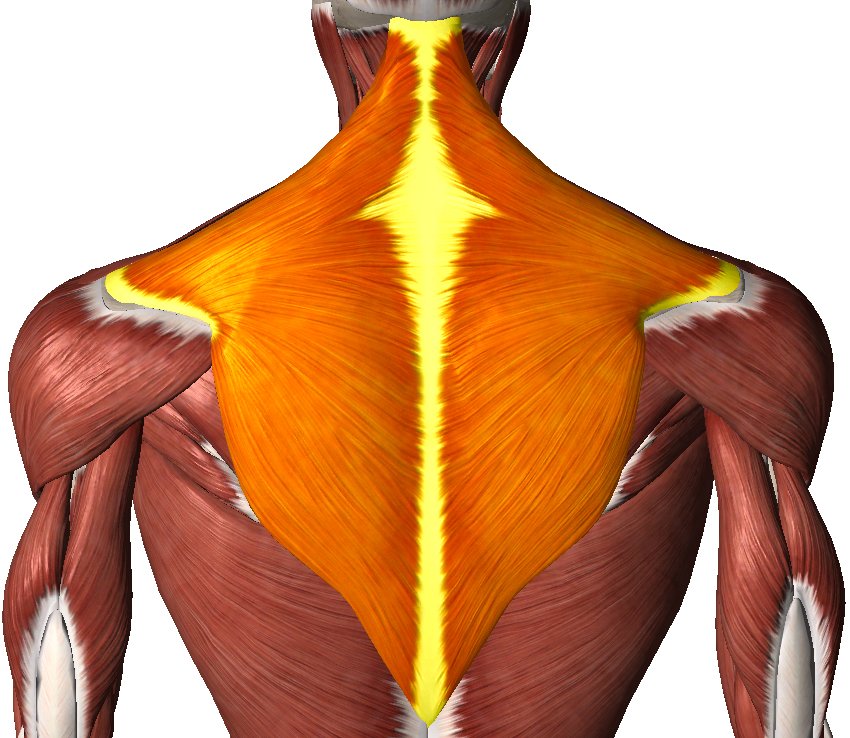
Trapezius Muscle – Connects the shoulder to the neck, base of the head, and back
Conversely, an injury like a rotator cuff strain might lead someone to guard movement of their shoulder and arm. Holding the shoulder and neck muscles tense for long periods can trigger headaches and migraines.
Referred Pain Patterns
Sometimes shoulder pain actually originates from irritated nerves in the neck. This is called referred pain – when a problem in one area manifests as pain elsewhere in the body. The brain has difficulty pinpointing the origin of pain signals from nerves, so it may interpret the signal as pain coming from the shoulder when the irritation is actually in the neck.
Issues like a cervical herniated disc or osteoarthritis in the facet joints or vertebrae of the neck can cause inflammation or compression on nerves as they exit the spine. This irritation follows the path of the nerve down the arm, causing numbness, tingling, or radiating shoulder and arm pain.
Can Improving Posture and Reducing Tension Help?
Because there are clear muscular and neurological connections between neck pain and shoulder pain, it stands to reason that addressing dysfunction in these areas could alleviate headaches.
Improving posture and reducing muscle tension in the shoulder, neck, and scalp muscles helps reduce the intensity and frequency of tension headaches and migraines
Good posture, nerve glides, regular movement, and ergonomic adaptations also help take stress off irritable structures. However, severely damaged structures like a full thickness rotator cuff tear or herniated disc may require medical management like medication, steroid injections, or surgical repair.
Headaches Do Not Always Originate From the Head
Shoulder injuries, muscle tension, and nerve irritation can all contribute to headaches and migraines by placing strain on interconnected tissue or misfiring pain signals.
The key is not overlooking easy-to-miss shoulder dysfunction when searching for the root cause of headaches. Very often, headaches don’t originate in the head at all – the true culprit is shoulder pain and neck tension leading to migraine pain.
FAQs
Does shoulder pain cause headaches?
Yes, shoulder pain can indirectly lead to headaches. Tight or injured shoulder muscles can place strain on the neck, limiting mobility and potentially causing headaches. Shoulder injuries may also irritate nerves that run from the neck down the arm, causing radiating shoulder pain as well as headaches.
What type of headaches are linked to shoulder pain?
Tension headaches and migraines are most closely associated with shoulder dysfunction. The referred pain from irritated nerves can lead to migraine headaches. Chronic muscle tension from guarding an injured shoulder can manifest as frequent tension headaches.
How are neck tension and shoulder pain related?
The muscles around the neck work closely together with shoulder muscles to coordinate movement. When stiffness, weakness or injuries affect one area, the other has to overcompensate. This leads to muscle tightness and discomfort spreading from the neck to the shoulders and vice versa.
Can fixing posture help relieve shoulder pain and headaches?
Yes, there is evidence that improving posture through stretches, exercises, and ergonomic adjustments helps alleviate headaches and discomfort caused by neck and shoulder dysfunction. Good posture reduces muscle strain and takes pressure off irritated nerves exiting the cervical spine.
