Vaccine Related Pain
Understanding Shoulder Injury Related to Vaccine Administration (SIRVA)
Shoulder injury related to vaccine administration, or SIRVA, is a rare but potentially debilitating condition characterized by persistent shoulder pain that typically begins within 48 hours of receiving an intramuscular deltoid vaccine. As vaccination remains a major public health tool, awareness of vaccine-related shoulder pain and injury has become increasingly important.
With millions of vaccines administered each year, cases of SIRVA may continue to rise. While shoulder pain can be a temporary side effect of vaccination, in some cases the pain is more significant and may reflect injury related to how the vaccine was delivered.
What Causes Vaccine Related Shoulder Pain?
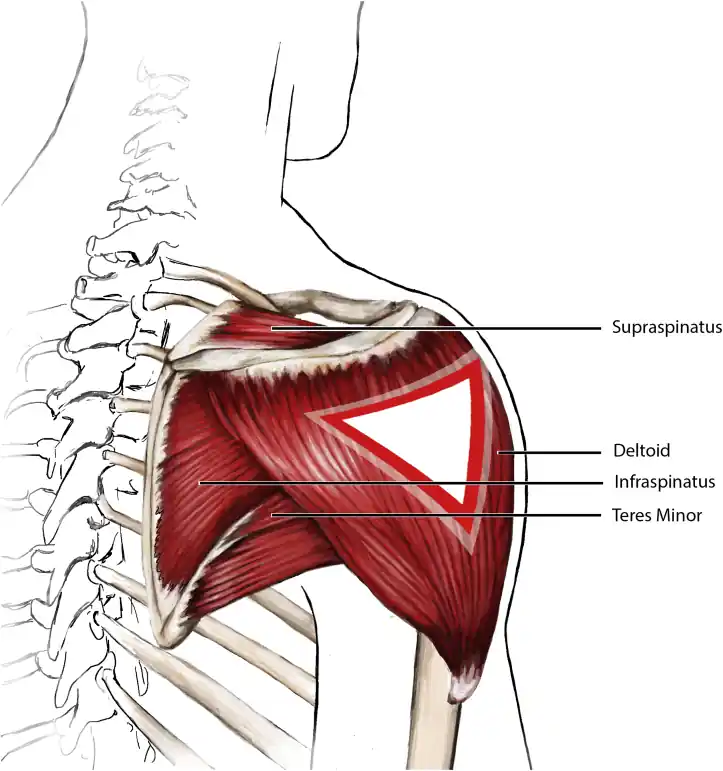
A properly administered vaccination is typically delivered directly into the shoulder muscle. However, if the injection is placed too high, too deep, or at the wrong angle, nearby shoulder structures may be irritated or injured. In some cases, the vaccine may be introduced into the bursa, a fluid-filled sac in the shoulder, rather than the muscle itself.
Because shoulder anatomy can vary from person to person, certain structures may be at higher risk during vaccine administration. The overall mean acromion-to-nerve distance is 6.1 ± 0.89 cm, and the interval between the most proximal and distal borders of the axillary nerve is 1.39 ± 0.35 cm. These anatomic relationships help explain why precise technique is important.
Although poor needle placement is thought to be the most common cause, some concern also exists that vaccine contents themselves may play a role in certain reactions, though this is less well documented and requires further investigation.
Possible Symptoms and Conditions
An improperly administered vaccine injection may cause sharp shoulder pain, upper arm pain, swelling, tenderness, lumps or nodules at the injection site, and injury to nearby nerves or soft tissues. In some patients, the inflammation may aggravate a previously injured shoulder.
The following symptoms or related conditions may occur after vaccination:
- Arm pain
- Shoulder pain
- Shoulder dysfunction
- Limited range of motion
- Shoulder bursitis
- Tendonitis
- Rotator cuff injury
- Brachial neuritis
- Frozen shoulder
- Adhesive capsulitis
These symptoms may last for months, may only partially improve, and in some cases may become long-term or permanent.
How SIRVA Can Affect the Shoulder
Vaccine-related shoulder injury may result in a number of inflammatory or structural problems. These can include shoulder bursitis, brachial neuritis, adhesive capsulitis, rotator cuff injury, and other painful conditions affecting motion and function.
In many reported cases, the event has been associated with poor needle placement and/or a local reaction to the delivered serum during vaccine administration. The improper angle or position of the needle may contribute to injury of the bursa, tendons, or nearby nerves.
A previous shoulder condition may also be worsened by surrounding inflammation after vaccination.
Treatment Considerations
Treatment should be individualized based on the patient’s symptoms, timing, and any underlying shoulder problems. Initial care generally consists of observation and local symptom management. This may include rest, anti-inflammatory measures, and evaluation by a specialist if symptoms persist.
In more difficult or recalcitrant cases, and in rare situations involving infection or significant structural injury, surgical intervention may be considered. Published outcomes vary widely, and overall understanding of SIRVA remains limited.
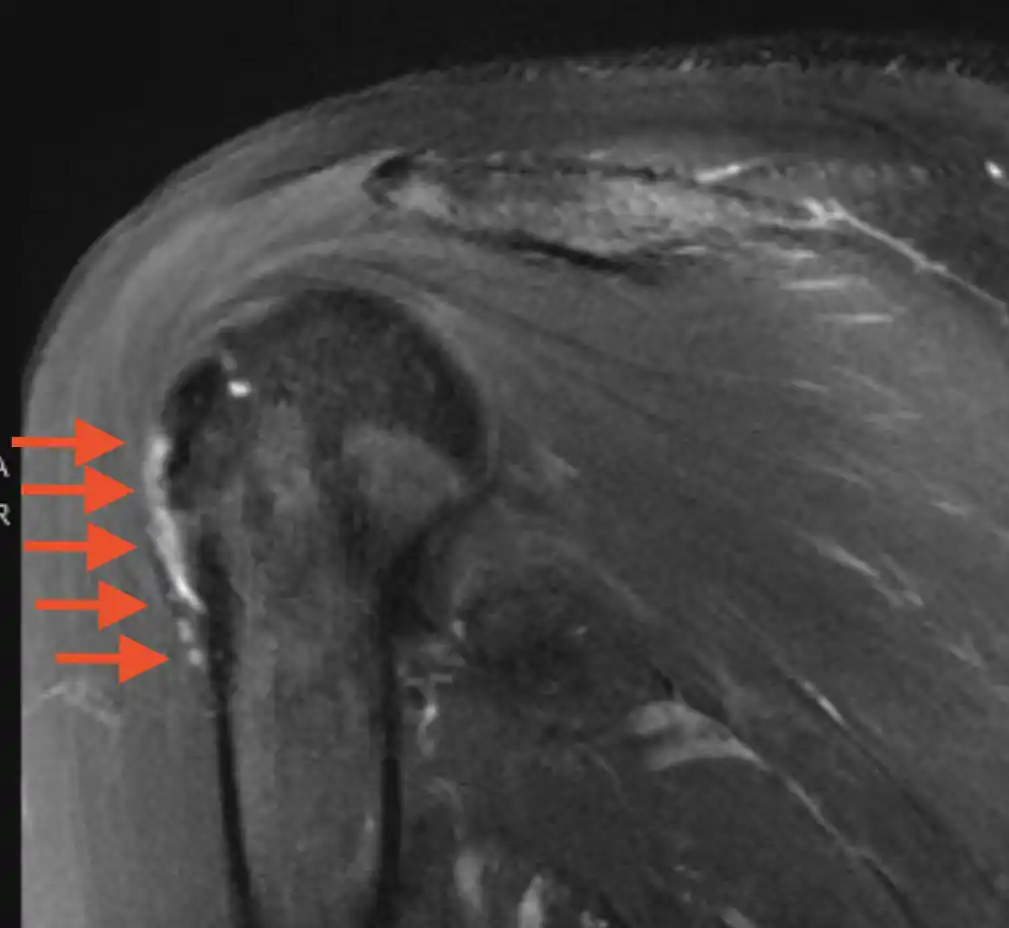
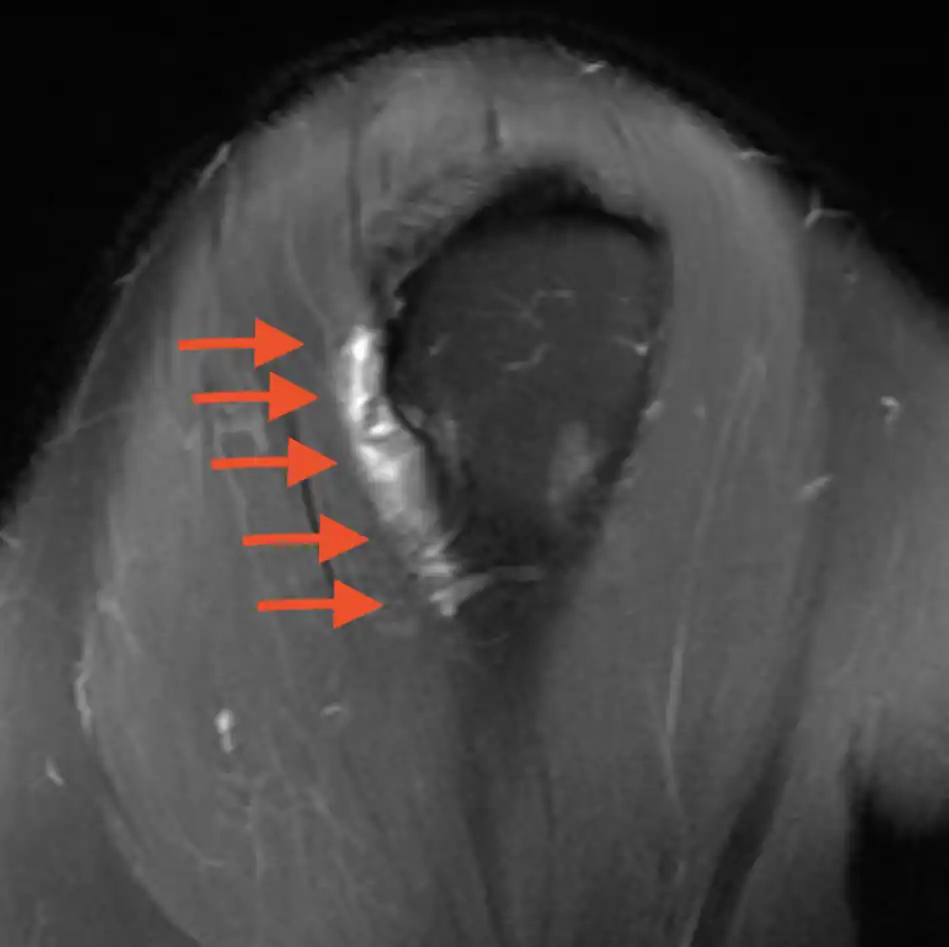
Example Imaging
Below is an example of a patient’s MRI scans who had persistent pain, with only marginal improvement after 4 months following a flu vaccination in October 2022.